

Menstruation is a natural bodily function that occurs monthly throughout a woman’s reproductive years.
General shopping ideas, independent of this article’s advice.
Swipe to compare products → TCM Hair Tonic《保健堂》古方护发水 (100ml)S$98.00✨Medicated Pain Relief Plaster✨ Original TCM FormulaS$3.70Zappy Postpartum Body Wipes 20 Sheets Resealable (Ginger infused with TCM Extract)From S$26.80
Prices may vary by option. Check the final price and delivery on Shopee.
While many women experience regular menstrual cycles, a significant number—approximately 9% to 14% according to studies—face irregular menstruation issues that can impact their quality of life and reproductive health.
In Singapore, many women are turning to Traditional Chinese Medicine (TCM) as an alternative or complementary approach to managing these menstrual irregularities.
This comprehensive guide explores how TCM views and treats irregular menstruation, the available treatments in Singapore, and what scientific evidence supports these approaches.
Read more: Best TCM Clinic in Singapore (Sort by Reviews)
Understanding Menstruation: Western vs TCM Perspectives
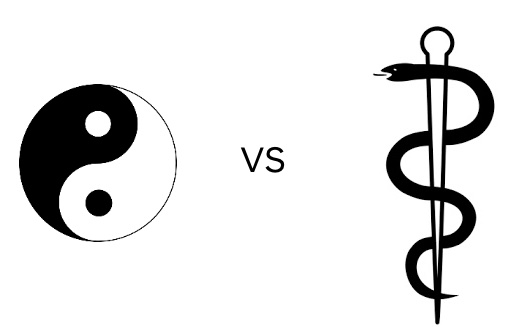
The Western Medical View
From a Western medical perspective, menstruation refers to the shedding of the uterine lining (endometrium) accompanied by bleeding.
A regular menstrual cycle typically ranges from 21-35 days, with the average being 28 days.
The menstrual period usually lasts between 2-7 days, with an average blood loss of 20-90 ml. Western medicine views the menstrual cycle in two phases:
- The follicular phase (dominated by estrogen)
- The luteal phase (dominated by progesterone)
The hypothalamus and pituitary glands in the brain control the release of hormones that regulate the menstrual cycle, and imbalances in these hormones may cause irregular periods.
Read more: Best TCM Clinic in JB for Singaporeans
The TCM Perspective
Traditional Chinese Medicine offers a distinctively different view of menstruation, dating back to ancient texts like the Inner Canon of the Yellow Emperor (黄帝内经).
According to TCM, menstruation typically begins around age 14 when the congenital Kidney essence (天癸) arrives, the Ren meridian (任脉) opens, and the Chong meridian (冲脉) contains sufficient energy.
TCM views the menstrual cycle in four phases:
- Menstrual flow phase: A descending flow of energy expels old blood and initiates the regeneration of new blood.
- Post-period phase: New blood and essence replenish the body through strengthening the Kidney and digestive functions. This blood prepares the uterus for possible implantation and pregnancy.
- Ovulation phase: Increased Kidney function stimulates the ovaries for ovulation.
- Pre-period phase: The Kidney’s Yang energy facilitates potential implantation of a fertilized egg. Without implantation, Yang energy peaks and then declines as menstruation begins again.
Related article: TCM for Period Cramps in Singapore: How it Works
In TCM, three organ systems play crucial roles in menstruation:
Kidney: Provides the congenital essence and regulates reproductive function
Spleen: Transforms food into essence and produces blood
Liver: Harmonizes blood and Qi circulation, connecting them to the Chong and Ren meridians
A healthy menstrual cycle requires balance among these systems, with proper flow of Qi (vital energy) and blood throughout the body.
What Defines Irregular Menstruation?

Irregular menstruation can manifest in various ways and includes several specific conditions:
Related article: Acupuncture in Singapore: Types, Benefits
Abnormal Menstrual Cycles
When a cycle is shortened or delayed by more than 7 days for at least 2 consecutive menstrual cycles:
Short menstrual cycles (月经先期): A cycle shorter than 21 days for at least 2 consecutive cycles
Delayed menstrual cycles (月经后期): A cycle longer than 35 days for 2 consecutive cycles
Irregular menstrual cycles (月经先后不定期): Inconsistent cycles with shortening or delay for at least 3 consecutive cycles
Bleeding between periods/spotting (经间期出血): Blood flow occurring between regular periods
You might like: Cupping Therapy in Singapore: Types, Benefits
Abnormal Menstrual Periods
Issues with the duration or volume of menstrual bleeding:
Short menstruation period (月经过少): A period lasting 2 days or less
Prolonged menstruation period (经期延长): A period lasting beyond 7-14 days
Heavy bleeding: Needing to change a regular sanitary pad (20-22cm) or tampon after less than 2 hours
Light menstrual bleeding: Flow lasting only 2 days with less than 50 ml of blood (approximately 1-2 regular pads daily)
Painful periods: Menstrual pain that significantly affects daily activities
Common Causes of Irregular Periods
Western Medical Perspective
From a Western medical standpoint, irregular periods can be caused by several factors. Stress often plays a significant role, as does irregular diet or eating disorders that lead to extreme weight fluctuations.
Various medical conditions may trigger menstrual irregularities, including thyroid dysfunction, uncontrolled diabetes, polycystic ovary syndrome (PCOS), endometriosis, uterine fibroids, and pelvic inflammatory disease.
Certain medications can also affect menstrual cycles, particularly hormonal birth control, mental health medications, epilepsy treatments, and steroids.
You might be interested: Moxibustion in Singapore: Types, Benefits
TCM Perspective
From a TCM viewpoint, irregular periods are understood through different underlying patterns.
The primary causes include reduced blood production due to exhaustion of blood and essence that weakens the body; blood stasis where stagnant blood flow obstructs channels; dampness accumulation that disrupts normal flow; and fundamental imbalances between Yin and Yang, particularly affecting the Spleen, Kidney, and Liver systems.
Health Implications of Irregular Menstruation
Studies have linked irregular and prolonged menstrual cycles to increased risks for several health conditions.
These include infertility concerns, cardiovascular diseases including high blood pressure,
Type 2 diabetes, certain cancers (particularly endometrial and uterine), and iron deficiency anemia.
Medical attention should be considered if you’re 16 or older and haven’t started menstruating, your periods have stopped for 3 to 6 months (excluding pregnancy), you experience abnormal vaginal bleeding (especially after menopause or sexual intercourse), or you can feel a lump in your lower abdomen.
This might help: TCM Pain Management in Singapore: A Holistic Approach to Chronic Pain Relief
How TCM Helps with Irregular Menstruation
TCM offers multiple approaches to regulate menstruation by balancing the body’s Yin and Yang, addressing specific symptoms, and treating your unique body constitution.
1. Acupuncture and Acupressure
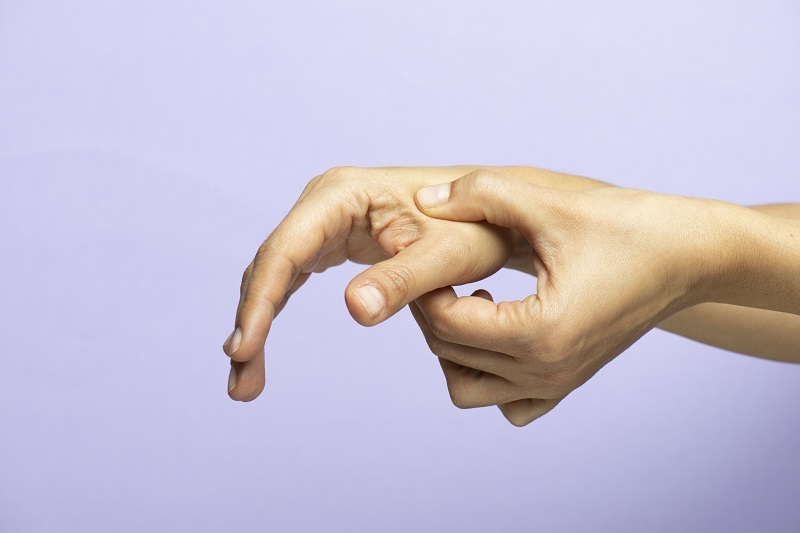
Acupuncture and acupressure target specific points along the body’s meridians to stimulate energy flow, improve blood circulation, and regulate hormonal balance.
Research indicates these techniques can effectively address irregular menstruation by:
- Improving blood circulation
- Strengthening the body and eliminating pathogens
- Regulating the Yin-Yang harmony
- Influencing the Hypothalamic-Pituitary-Ovarian (HPO) axis that controls menstrual cycles
Key Acupressure Points
You can practice self-acupressure on these points:
San Yi Jiao (SP 6)
Location: Inner side of the lower leg, 4 fingers above the ankle
Benefits: Nourishes Yin and regulates menstruation
Application: Press with your thumb and massage in clockwise circles for 5-10 minutes daily, one week before your period
Xue Hai (SP 10)
Location: With knee flexed, 3 fingers above the kneecap on the inner thigh where you feel the quadriceps bulge
Benefits: Regulates menstruation by removing blood stasis and tonifying blood
Application: Press until you feel soreness and massage in circular motions for 3-5 minutes daily, one week before your period
Tai Chong (LR 3)
Location: On top of the foot, in the webbing between your big toe and second toe, in the depression before the joint
Benefits: Regulates menstruation by balancing Liver Qi, nourishing Liver Yin, and subduing Liver Yang
Application: Press until you feel soreness and massage in circular motions for 5-10 minutes every night before sleep
2. TCM Herbal Medicine
TCM practitioners in Singapore often prescribe herbal formulas tailored to your specific condition and body constitution. These may include:
Traditional Herbal Formulas
- Ding Jing Tang: Used for Qi stagnation in the liver or kidney deficiencies, containing Chinese Dodder Seeds, White Peony root, Chinese Angelica Root, and Cooked Rehmannia
- Xiao Tao San (Free Wanderer Powder): Regulates liver Qi and blood with a cooling effect
Home Remedies
Eight Treasure Soup (八珍汤)
- Ingredients: Dang Shen (党参) 10g, Bai Zhu (白术) 10g, Fu Ling (茯苓) 15g, Gan Cao (甘草) 6g, Shou Di Huang (熟地黄) 10g, Dang Gui (当归) 10g, Bai Shao (白芍) 10g, Chuan Xiong (川芎) 10g
- Preparation: Soak herbs for 20 minutes, add water with 5-10 red dates, 3 ginger slices, and pork ribs. Simmer for 1-2 hours.
- Benefits: Nourishes Qi and Blood
Ejiao Porridge (阿胶粥)
- Ingredients: E-jiao (阿胶) 30g, Glutinous rice (糯米) 100g
- Preparation: Boil rice to make porridge, add crushed E-jiao while stirring. Once melted, add brown sugar.
- Benefits: Nourishes Blood (suitable for individuals with blood deficiency or low menstrual flow)
Red Date Longan Tea (红枣桂圆茶)
- Ingredients: 15 Red dates (红枣), Longan (桂圆肉) 10g
- Preparation: Soak ingredients briefly, add water and simmer for 30 minutes.
- Benefits: Nourishes Blood (suitable for those with blood deficiency or light menstrual flow)
3. Dietary Therapy
TCM dietary recommendations for regulating menstruation focus on nourishing blood, reducing stagnation, and supporting organ functions.
For blood deficiency, consider incorporating black beans, black sesame seeds, spinach, dates, longan, and beef. Those with Qi stagnation may benefit from cinnamon, ginger, turmeric, fennel, and cardamom.
Spleen support can come from pumpkin, sweet potato, rice, and oats, while liver support may be enhanced by chrysanthemum tea, mint, celery, and cucumber.
4. Lifestyle Recommendations
Alongside medical treatments, TCM practitioners in Singapore often suggest several lifestyle adjustments.
Regular moderate activities like yoga, tai chi, or walking can improve circulation. Stress management through meditation, deep breathing, or other relaxation techniques is highly recommended.
Establishing regular sleep patterns (aiming for 7-8 hours nightly), avoiding cold (keeping the lower abdomen and feet warm, limiting cold foods and drinks), and maintaining a healthy body weight are also important, as studies show those with normal BMI experience fewer menstrual irregularities.
Scientific Evidence Supporting TCM for Menstrual Health
While TCM has centuries of clinical use, modern research provides growing evidence for its effectiveness:
- A 2017 systematic review and meta-analysis of 39 randomized controlled trials found acupuncture more effective than conventional treatments for regulating menstrual cycles and improving symptoms
- A 2018 systematic review of 60 studies demonstrated acupuncture’s effectiveness for menstrual pain
- Research on herbs like Dong Quai, Chaste Tree, and Black Cohosh shows promise for treating various menstrual disorders
- Studies indicate that dietary therapy can be effective in regulating menstrual cycles, particularly when tailored to individual needs
TCM for Irregular Menstruation in Singapore
Accessing TCM in Singapore
Singapore offers numerous options for TCM treatment of menstrual disorders:
- TCM Clinics: Many specialized clinics across the island provide comprehensive women’s health services
- Hospital-Integrated TCM Centers: Some hospitals now incorporate TCM departments
- Community TCM Providers: Neighborhood practitioners offering more personalized care
Cost of Treatment
In Singapore, TCM treatments for irregular menstruation typically cost:
- Acupuncture sessions: SGD $30-80 per session
- Herbal consultations: SGD $20-50 (excluding herbs)
- Herbal medicines: SGD $10-30 per week depending on formulation
Many private health insurance plans in Singapore now offer coverage for TCM treatments, though coverage varies significantly between providers.
What to Expect During Consultation
Your first TCM consultation in Singapore will likely include:
- Detailed History Taking: Questions about your menstrual patterns, lifestyle, diet, emotions, and general health
- Pulse Diagnosis: Checking multiple pulse positions to assess organ function and energy balance
- Tongue Examination: Observing the color, coating, and shape of your tongue
- Treatment Plan: A customized approach that may combine acupuncture, herbs, and lifestyle recommendations
- Follow-up Schedule: Typically weekly treatments initially, with frequency reducing as symptoms improve
It’s helpful to maintain a menstrual calendar before your first consultation to accurately describe your cycle patterns.
Integrating TCM with Western Medicine
For optimal results, many women in Singapore choose an integrated approach:
- Using TCM to address underlying imbalances while managing acute symptoms with conventional medicine
- Keeping both practitioners informed about all treatments
- Understanding that some conditions require Western medical diagnosis and intervention
- Recognizing when TCM serves as complementary rather than primary treatment
Conclusion
Irregular menstruation affects many women in Singapore, impacting quality of life and potentially indicating underlying health concerns.
Traditional Chinese Medicine offers a holistic approach to addressing these issues by correcting imbalances in the body’s energy systems, particularly focusing on the Kidney, Liver, and Spleen.
Through acupuncture, herbal medicine, dietary therapy, and lifestyle adjustments, TCM aims to restore harmony and regulate menstrual cycles naturally.
While research continues to validate these approaches, centuries of clinical practice and growing scientific evidence suggest TCM can be an effective option for managing irregular menstruation.
If you’re experiencing irregular periods in Singapore, consider consulting with a qualified TCM practitioner who can provide a personalized treatment plan based on your unique body constitution and symptoms.
Frequently Asked Questions
How long does it take to see results from TCM treatment for irregular periods?
Most women notice improvements within 3-6 menstrual cycles, though some experience changes sooner.
The time frame depends on how long you’ve had the condition, its severity, and your overall health.
Consistent treatment yields better results, with some women reporting more regular cycles after 2-3 months of acupuncture and herbal therapy.
Can TCM treatments interfere with birth control or other medications?
Some Chinese herbs can interact with conventional medications, including birth control.
Always inform your TCM practitioner about all medications you’re taking, and tell your Western doctor about any herbs or supplements you use.
A qualified TCM physician in Singapore will adjust your herbal formulas to avoid potential interactions.
Is TCM effective for treating PCOS-related irregular periods?
TCM can help manage PCOS symptoms, including irregular periods.
Research shows acupuncture may improve hormonal balance and ovulation in women with PCOS. Chinese herbal medicine might also reduce testosterone levels and regulate menstruation.
However, PCOS typically requires a long-term management approach, often combining TCM with conventional medical care for optimal results.
What age groups can benefit from TCM treatment for menstrual issues?
TCM treatments can help women of all reproductive ages—from adolescents experiencing irregular cycles after menarche to perimenopausal women dealing with changing cycles.
Treatment approaches are tailored to life stage, with gentler treatments typically used for younger patients and more tonifying herbs for older women.
How often should I receive acupuncture for irregular periods?
Initially, most TCM practitioners in Singapore recommend weekly acupuncture sessions for 8-12 weeks.
As your condition improves, treatments may be reduced to bi-weekly, then monthly.
Some women benefit from “maintenance” sessions around specific phases of their cycle, particularly before expected menstruation.
Are there any side effects of TCM treatments for irregular menstruation?
When administered by qualified practitioners, TCM treatments have minimal side effects.
Some patients experience mild bruising or soreness after acupuncture, while herbs occasionally cause digestive discomfort that typically resolves with formula adjustments.
Serious adverse events are rare when treatments are provided by licensed practitioners using quality-controlled herbs.
Can I continue TCM treatments if I become pregnant?
Many acupuncture points and herbs used for menstrual regulation are contraindicated during pregnancy.
If pregnancy occurs, immediately inform your TCM practitioner who will modify your treatment plan.
Some aspects of TCM care can safely continue during pregnancy under specialized pregnancy-safe protocols.
How does TCM treatment differ for heavy periods versus absent periods?
For heavy periods (menorrhagia), TCM treatments typically focus on clearing heat, cooling blood, and stopping excessive flow using herbs with astringent properties.
For absent periods (amenorrhea), approaches concentrate on warming the body, invigorating blood circulation, and tonifying Kidney and Liver energies.
The specific acupuncture points and herbs differ significantly between these conditions.
Will I need to make dietary changes as part of TCM treatment?
Most TCM approaches to irregular menstruation include dietary recommendations.
Your practitioner might suggest avoiding cold foods, raw vegetables, or dairy if you have a cold constitution, or reducing spicy foods and alcohol if you have excess heat.
These adjustments support your herbal and acupuncture treatments by addressing the root imbalances from multiple angles.
How can I find a qualified TCM practitioner in Singapore?
In Singapore, look for TCM practitioners registered with the Traditional Chinese Medicine Practitioners Board (TCMPB).
You can verify a practitioner’s credentials on the Ministry of Health’s website.
Many reputable clinics have practitioners specializing in women’s health issues.
Personal recommendations, reviews, and practitioners with additional gynecological training or hospital affiliations are good indicators of quality care.
General shopping ideas, independent of this article’s advice.
Swipe to compare products →Kidney Supplement | Thong Chai TCM |Bu Shen Yi Jing | Vital Energy & Essence Tonic– Replenish Qi, Yin-Yang Balance 补肾益精From S$58.00TCM Qi-Booster Tonic Soup《保健堂》补气养生汤S$48.00Upgraded Steam Spa Eye Mask TCM Formula | Heat pack | Heat Pad | Warmer | Sleep Mask | Eye PackS$0.35Prices may vary by option. Check the final price and delivery on Shopee.