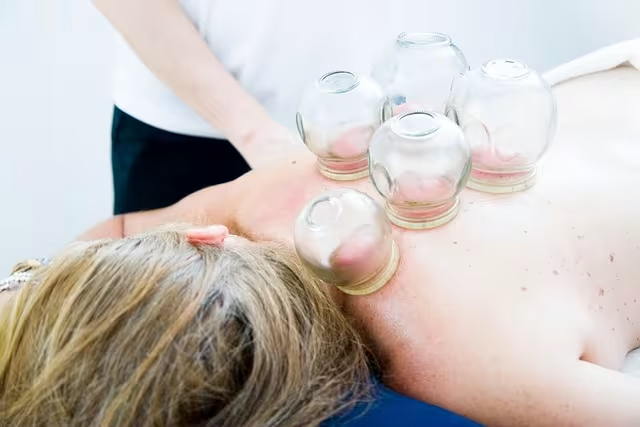
Cupping therapy, deeply rooted in Traditional Chinese Medicine (TCM), is an ancient healing technique that has gained significant popularity in Singapore and worldwide in recent years.
This therapeutic practice involves creating suction on specific points of the body using special cups, which gently stretches the skin, nerves, muscles, and blood vessels beneath.
General shopping ideas, independent of this article’s advice.
Swipe to compare products → TCM Hair Tonic《保健堂》古方护发水 (100ml)S$98.00✨Medicated Pain Relief Plaster✨ Original TCM FormulaS$3.70Zappy Postpartum Body Wipes 20 Sheets Resealable (Ginger infused with TCM Extract)From S$26.80
Prices may vary by option. Check the final price and delivery on Shopee.
The practice creates a vacuum effect that adheres the cups to the skin, drawing fluid into the targeted areas.
This process results in temporary discoloration caused by broken blood vessels just beneath the skin, resembling bruises. These marks are actually part of the healing process and indicate areas where blood flow has been stimulated.
While historically prevalent in Egyptian, Chinese, and Middle Eastern cultures for thousands of years, cupping has experienced a global resurgence, with more individuals seeking its benefits for pain relief, inflammation reduction, and enhanced wellbeing.
Related article: Acupuncture in Singapore: Types, Benefits
What is Cupping Therapy?
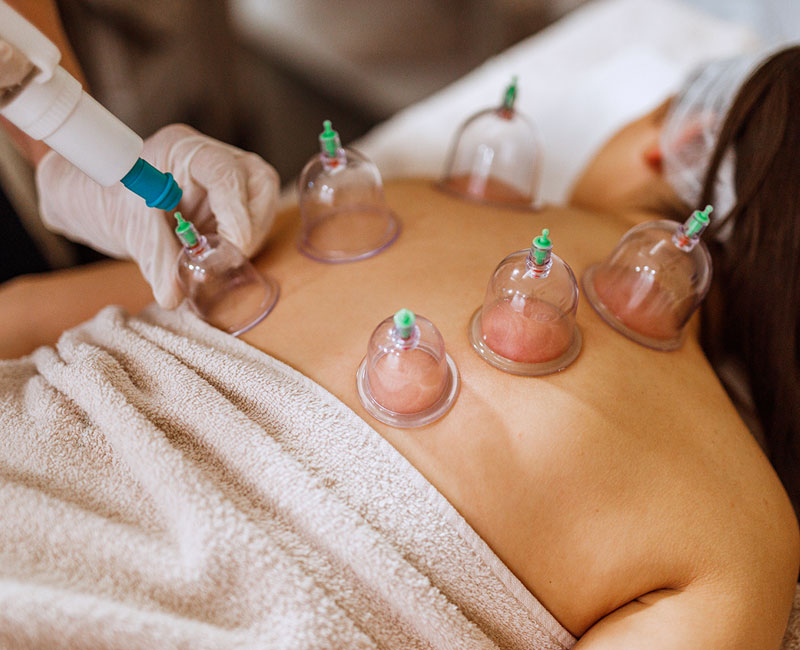
Cupping therapy uses warm glass or bamboo cups to create a partial vacuum, allowing them to “stick” on the skin.
In some cases, the practitioner moves the cup during suction, creating a gliding effect that pulls the skin to “restart” the circulation of Qi (vital energy) in the body.
According to TCM principles, the human body is interconnected via a network of pathways called meridians through which blood and Qi flow.
When blockages or stagnation occur, Qi and blood cannot flow normally, resulting in an accumulation of harmful elements that affect organ function and overall health. Cupping therapy aims to remove these blockages, improve circulation, and restore balance to the body.
Scientifically, cupping activates the lymphatic system, promotes blood circulation, and aids deep tissue repair. The suction effect helps increase blood flow to targeted areas, which can promote healing and relieve pain.
Related article: Moxibustion in Singapore: Types, Benefits
Types of Cupping Therapy
Different methods of cupping therapy are practiced in Singapore, each with its own specific applications and benefits:
Dry Cupping
In dry cupping, the suction is created using a device that removes air from the cup, creating a vacuum without heat. The practitioner applies the cups to the skin and then uses a hand pump to remove the air. The resulting suction pulls the skin and superficial muscle layer into the cup, increasing blood flow to the targeted area, releasing muscle tension, and promoting healing. This non-invasive method does not break the skin.
You might like: Tuina Massage in Singapore: Benefits and Methods
Wet Cupping (Blood Cupping)
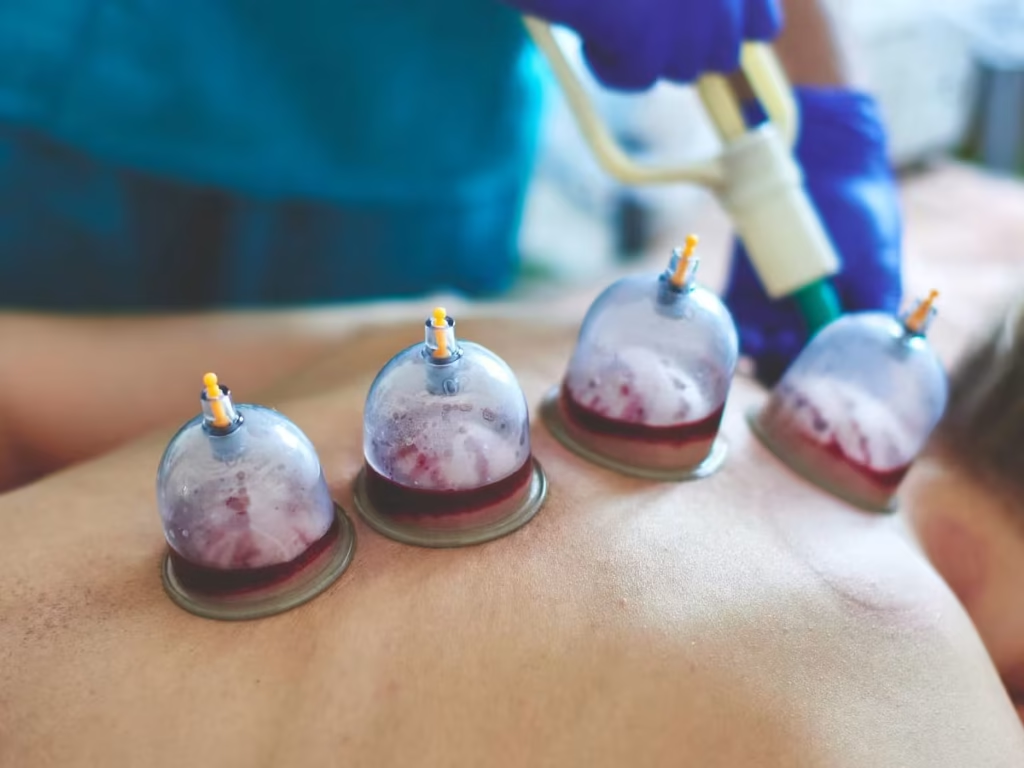
Wet cupping involves creating small punctures on the skin before applying the suction cups. The cups then draw out a small amount of blood, helping to remove toxins and encourage lymphatic drainage. This technique is believed to be particularly effective for deeper conditions and more severe stagnation.
Fire Cupping
With fire cupping, the practitioner heats each cup by igniting an alcohol-soaked cotton ball placed inside the cup.
This process removes the oxygen within the cup, creating a vacuum. When placed on the skin, the resulting suction gently pulls the skin and underlying tissues upward, relieving muscle tension and enhancing circulation.
You might be interested: Bone Setting in Singapore: Benefits and Treatment Method
Running Cupping (Gliding Cupping)
This technique involves the application of oil before using suction. The cups are slowly moved around the area, creating a massage-like effect.
This approach can be particularly effective for treating larger areas of muscle tension and for improving circulation throughout a region of the body.
Flash Cupping
In flash cupping, the cups are quickly suctioned and then released, usually in the same general area of the body. This rapid application and removal help stimulate deep tissue and enhance Qi flow.
Read more: Best TCM Clinic in Singapore (Sort by Reviews)
Benefits of Cupping Therapy
Cupping therapy offers numerous benefits for physical and mental wellbeing:
Pain Relief
Cupping can significantly relieve musculoskeletal pain, particularly in the back, neck, and shoulder areas. It helps ease pain by stimulating nerves in muscles to release chemicals that reduce pain perception.
Improved Circulation
The suction effect enhances blood flow to sore or tense areas, promoting healing and oxygen delivery to tissues. This improved circulation helps flush out toxins such as excess water and waste in the body.
Read more: Best TCM Clinic in JB for Singaporeans
Respiratory Health
Cupping treats congestion caused by common colds, pneumonia, bronchitis, and asthma. The cup’s suction breaks up congestion, bringing oxygen-rich blood and lymph to the lungs and respiratory muscles. Facial cupping can also help unblock sinuses.
Digestive Support
Cupping engages the parasympathetic nervous system while increasing blood flow to the digestive tract. Gentle cupping over the abdomen stimulates digestive organs, aids in peristalsis, helps clear colon blockages, and relieves indigestion.
You might like: Gua Sha in Singapore: Benefits, Techniques & Considerations
Stress and Anxiety Reduction
When cups glide across the skin, the parasympathetic nervous system engages, promoting deep relaxation throughout the body. This can slow heart rate, assist digestion, and decrease stress response.
Skin Improvement
Increased blood flow disposes of toxins, restores lymphatic circulation, and removes edema, which can reduce scarring and improve the appearance of stretch marks and scars. Cupping has been shown to positively affect these skin conditions, even far from the actual cupping site.
Vascular Health
Cupping can improve the appearance and condition of varicose veins and spider veins by enhancing blood flow to affected areas.
Detoxification
The therapy boosts the body’s ability to release toxins. Focused blood flow helps flush built-up toxins through the lymphatic system, which is responsible for eliminating the body’s toxins and waste.
Weight Management
Cupping is commonly used for weight loss purposes in Singapore. It can promote slimming by:
- Helping to disintegrate fat lipids
- Reducing dampness, a contributing factor to weight gain
- Improving Qi and blood circulation
- Reducing fluid retention and bloating
- Affecting tissues deep beneath the skin to assist in loosening visceral fats around organs
How Cupping Works
The mechanism of cupping therapy involves several processes:
Creating Suction
A practitioner uses cups to create suction on the skin, which decompresses muscles and connective tissue.
Increasing Blood Flow
The suction draws fluid into the treated area, expanding and breaking open tiny blood vessels. This increases blood flow and circulation, promoting healing and reducing pain.
Stimulating the Lymphatic System
Cupping promotes lymphatic mobility, which helps drain excess fluids and toxins.
Lifting and Separating Fascial Layers
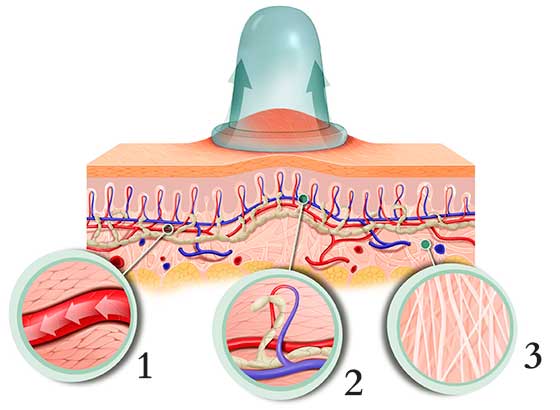
The negative pressure created helps lift and separate the fascial layers, releasing adhesions and improving mobility.
When the body replenishes the cupped areas with fresh blood flow, it stimulates proper healing at a cellular level. This process rejuvenates ill-functioning meridians and organs while rebalancing the body’s Yin-Yang harmony.
Cupping Marks and Their Meanings
One of the most distinctive aspects of cupping therapy is the marks it leaves behind. These marks not only indicate where treatment has occurred but can also provide diagnostic information about a person’s health condition:
| Mark Color | Indication |
|---|---|
| Slight redness or pinkish | Good blood circulation |
| Bright red | Indicates heat in the area |
| Dark red/purple | Poor blood circulation, severe blood stasis |
| Purplish | Indicates severe Qi stagnation |
| Greyish white | Weak body, insufficient Qi and blood |
| Blister | Excessive dampness |
These cupping marks are a natural reaction as blood flows to the surface. They typically disappear within 2-7 days as part of the healing process. While they may resemble bruises, they’re not true bruises that injure muscle fibers and are generally not painful.
What to Expect During a Cupping Session
A typical cupping session in Singapore follows these steps:
- Consultation: A qualified practitioner will assess your health history and concerns to ensure cupping is appropriate for your condition.
- Preparation: You’ll be asked to expose the area to be treated (usually the back, shoulders, or other affected areas).
- Application: The practitioner will apply oil if performing running cupping, then place the cups on specific acupoints or areas of tension.
- Suction Creation: Depending on the method used, suction will be created either through heat or a pumping device.
- Treatment Duration: The cups typically remain in place for 5-10 minutes for stationary cupping, while running cupping involves continuous movement of the cups across the skin.
- Removal: The practitioner gently removes the cups by releasing the suction.
Cupping therapy shouldn’t be painful, though you may experience a tight sensation during the procedure. Most people find the experience relaxing and therapeutic.
Post-Cupping Care and Side Effects
After a cupping session, it’s normal to observe temporary red marks, light bruises, or swelling. These post-cupping effects are part of the healing process, triggering the body’s auto-response for improved blood circulation, strengthened immune function, and accelerated toxin elimination.
Aftercare Tips
To maximize the benefits of your cupping therapy session, it’s important to rest well and allow your body time to recover.
Drink warm water or herbal tea to aid detoxification and avoid cold showers or exposure to air-conditioning immediately after treatment, waiting approximately five hours before taking a shower.
Avoid raw, cold, and greasy foods to prevent internal dampness, and stay away from direct air conditioning or fan exposure on the treated area.
If you have upcoming events where your back will be exposed, consider scheduling your cupping session accordingly to allow time for any marks to fade.
Potential Side Effects
Cupping therapy is generally safe when performed by a trained professional, but you might experience some mild effects. These can include mild discomfort or soreness and temporary skin discoloration, with marks typically fading within one to two weeks.
Minor burns are rare but possible with fire cupping, and skin infection can occur if equipment is not properly sterilized.
Some people, especially first-timers, may experience lightheadedness or dizziness, and mild nausea can occur but typically subsides quickly.
These side effects are generally temporary and resolve on their own with proper aftercare.
Who Should Consider Cupping Therapy?
Cupping therapy in Singapore can benefit many individuals, particularly those dealing with various health concerns.
People with musculoskeletal pain affecting the shoulder, back, neck, or hamstrings often find relief through cupping.
Those recovering from sports injuries or experiencing sore or tense muscles may also benefit from treatment.
Individuals with respiratory conditions like common cold, bronchitis, or asthma frequently seek cupping therapy, as do those with digestive issues, stress and anxiety, headaches and migraines, or arthritis. People suffering from fibromyalgia, carpal tunnel syndrome, or skin conditions like eczema may also find cupping helpful in managing their symptoms.
Contraindications: When to Avoid Cupping
While most people tolerate cupping well, it’s not recommended for everyone. You should avoid cupping if you have open wounds, sensitive skin, are taking blood-thinning medication, have bleeding disorders, are pregnant, or have varicose veins.
Other conditions that preclude cupping include active acne, diabetes, recent operations, sunburn, internal organ disorders, high fever, or extreme fatigue.
Cupping should also not be performed on specific body areas including veins, arteries, nerves, areas with skin inflammation or lesions, body orifices, eyes, or lymph nodes.
Always consult with a qualified practitioner who can assess whether cupping therapy is appropriate for your individual health situation.
Cupping Therapy in Singapore
In Singapore, cupping therapy is widely available at TCM clinics, wellness centers, and specialized therapeutic practices.
The treatment has gained popularity as both a traditional healing method and a modern wellness practice.
Cost of Cupping Therapy in Singapore
The price of cupping therapy in Singapore varies by provider, session duration, and treatment type. Generally, sessions range from SGD 40 to SGD 150.
The cost will depend on whether you choose dry, wet, or fire cupping and whether you opt for a single session or a package.
Frequency Recommendations
At reputable clinics in Singapore, practitioners typically recommend cupping to be done at most once a week to allow the body to fully heal and recover.
Each session usually lasts between 5-10 minutes for stationary cupping, though comprehensive treatments including consultation may take 30-60 minutes.
Frequently Asked Questions
What is the difference between dry cupping and wet cupping?
Dry cupping involves creating suction on the skin without breaking the skin barrier. Wet cupping (also called bleeding cupping) involves making small incisions in the skin before applying suction cups, allowing for the release of a small amount of blood believed to contain toxins.
How long do cupping marks last?
Cupping marks typically last between 2-7 days, though this can vary depending on individual skin type and the intensity of the treatment. These marks are not bruises in the traditional sense and generally fade without any intervention.
Is cupping therapy painful?
Cupping therapy should not be painful, though you may feel a tight sensation or pulling on the skin during the procedure.
Some people report mild soreness after treatment, similar to what you might feel after a deep tissue massage, but generally less intense.
How many cupping sessions do I need to see results?
The number of sessions required varies depending on your condition and individual response to treatment.
Some people experience relief after just one session, while chronic conditions may require regular treatments over several weeks or months. Your practitioner will recommend a treatment plan based on your specific needs.
Can cupping therapy help with weight loss?
Many practitioners in Singapore offer cupping for weight loss purposes. The therapy may help by improving metabolism, loosening visceral fat, reducing fluid retention, and improving circulation.
However, results vary among individuals, and cupping works best as part of a comprehensive approach to weight management that includes proper diet and exercise.
What should I wear for a cupping session?
Wear loose, comfortable clothing that can be easily adjusted to expose the treatment area. Most commonly, the back is treated, so wearing a top that can be removed or easily moved is recommended.
Your privacy will be respected, and only the necessary areas will be exposed during treatment.
How is hijama different from regular cupping?
Hijama is an Arabic term for wet cupping, which involves making small incisions in the skin before applying the cups.
This technique is believed to release toxin-rich blood from the body. Regular cupping often refers to dry cupping, which does not involve breaking the skin.
Can I exercise after cupping therapy?
It’s generally recommended to avoid strenuous exercise immediately after cupping therapy.
Give your body 24-48 hours to recover and process the treatment. Gentle movement like walking is usually fine, but intense workouts may counteract some of the therapy’s benefits.
How do I choose a good cupping therapist in Singapore?
Look for practitioners with proper credentials and training in TCM or cupping therapy specifically.
Read reviews, ask for recommendations, and ensure the facility maintains high standards of hygiene. A good practitioner will conduct a thorough consultation before treatment and explain the process clearly.
Can cupping be combined with other treatments?
Yes, cupping can be effectively combined with other treatments like acupuncture, massage, or moxibustion for enhanced results.
In Singapore, many TCM clinics offer comprehensive treatment plans that incorporate multiple complementary therapies based on individual needs.
General shopping ideas, independent of this article’s advice.
Swipe to compare products →Kidney Supplement | Thong Chai TCM |Bu Shen Yi Jing | Vital Energy & Essence Tonic– Replenish Qi, Yin-Yang Balance 补肾益精From S$58.00TCM Qi-Booster Tonic Soup《保健堂》补气养生汤S$48.00Upgraded Steam Spa Eye Mask TCM Formula | Heat pack | Heat Pad | Warmer | Sleep Mask | Eye PackS$0.35Prices may vary by option. Check the final price and delivery on Shopee.