

Nasopharyngeal cancer represents a significant health concern in Singapore, particularly affecting the male population between ages 30-49.
This malignancy develops in the nasopharynx, the anatomical region situated behind the nasal cavity and above the throat, serving as a critical passageway connecting the respiratory system to the nose and ears.
General shopping ideas, independent of this article’s advice.
Swipe to compare products → 50pcs FREE 50pcs 100pcs FREE 200pcs | Custom Print | Mirrorcoat Sticker | Cheapest on ShopeeFrom S$0.11MillionParcel Bubble Polymailer Bag | Polymailer with Bubble Wrap | Bubble Mailer | Bubble EnvelopeFrom S$0.19MillionParcel Kraft Paper Bag for Gift | Door Gift Bag for Present | Gift Bags | Party Bag | Goodie BagFrom S$0.16
Prices may vary by option. Check the final price and delivery on Shopee.
Read more: Which ENT Doctor in Singapore Should You Consider?
Understanding Nasopharyngeal Cancer
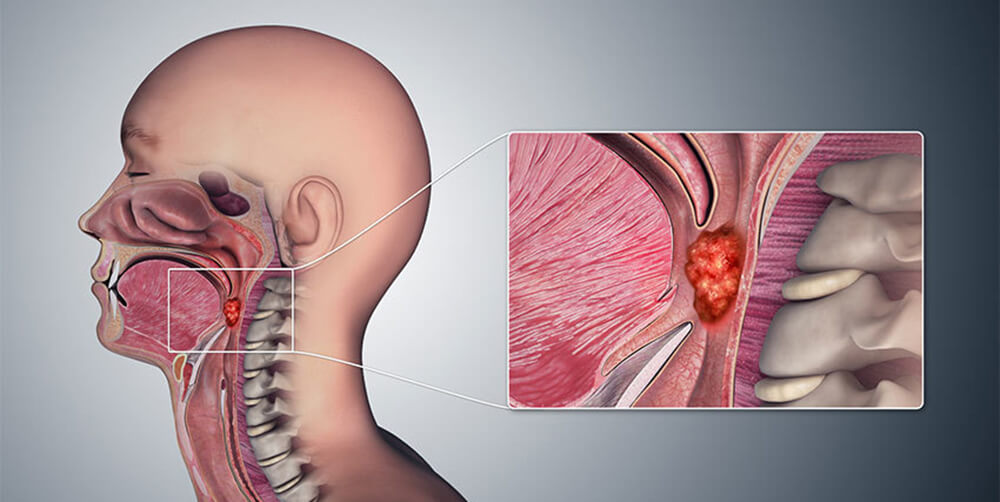
Nasopharyngeal carcinoma (NPC) emerges when malignant cells form within the tissues lining the nasopharynx.
This anatomical location makes early detection particularly challenging, as the area remains hidden from routine visual examination.
The nasopharynx connects to the middle ear through the Eustachian tubes, explaining why hearing-related symptoms frequently accompany this condition.
Related article: Obstructive Sleep Apnea in Singapore: Causes and Treatments
Prevalence in Singapore
Singapore witnesses approximately 300 new nasopharyngeal cancer diagnoses annually, establishing it as the sixth most prevalent cancer nationwide.
Among males, NPC ranks as the 10th leading cause of cancer-related mortality and represents the second to third most common malignancy in men aged 15-64 years.
The disease demonstrates a pronounced gender bias, affecting men two to three times more frequently than women.
The ethnic distribution reveals striking patterns, with individuals of Southern Chinese heritage experiencing significantly higher incidence rates, accounting for roughly 90% of diagnosed cases in Singapore.
This demographic concentration reflects broader regional trends across Southeast Asia and southern China.
You might like: Sleep Disorders in Singapore: Diagnosis, Treatment & Prevention
Clinical Manifestations and Symptoms

Early Stage Presentation
Initial stages of nasopharyngeal cancer often present asymptomatically or with subtle, easily overlooked symptoms.
This characteristic contributes to delayed diagnosis, with many cases remaining undetected until reaching advanced stages.
Progressive Symptoms
As the malignancy advances, patients typically develop the following manifestations:
Neck-Related Signs:
- Painless lymph node enlargement in the neck region, particularly behind the ears extending toward the shoulders
- Persistent neck lumps that fail to resolve with standard treatments
Nasal and Respiratory Symptoms:
- Chronic nasal congestion unresponsive to conventional treatments
- Recurrent nosebleeds or blood-stained nasal discharge
- Persistent blood-tinged saliva or sputum
You might be interested: Tonsil Stones in Singapore: Causes, Symptoms, Treatments
Auditory Complications:
- Unilateral hearing impairment or complete hearing loss
- Persistent tinnitus (ringing sensations in the ears)
- Sensation of blocked or full ears that doesn’t resolve
- Recurrent ear infections
Neurological Manifestations:
- Chronic headaches
- Facial numbness or unusual facial pain
- Double vision or other visual disturbances
Advanced Disease Indicators: When cancer metastasizes to distant organs such as lungs, liver, or bones, patients may experience breathlessness, persistent coughing, bone pain, or unexplained weight loss.
Read more: Snoring Treatment in Singapore: Causes, Risk Factors
Risk Factors and Causative Elements
Demographic Factors
Gender and Age Distribution: Men face substantially higher risk compared to women, with peak incidence occurring during prime working years. In regions where NPC is uncommon, diagnosis typically occurs after age 50, while high-risk areas see earlier onset.
Ethnic Predisposition: Genetic factors play a crucial role, with Southern Chinese populations demonstrating markedly elevated susceptibility.
This suggests inherited genetic variations that increase vulnerability to the disease.
Environmental and Lifestyle Factors
Dietary Influences: Consumption of salt-cured and preserved foods represents a major modifiable risk factor.
Traditional preparation methods for salted fish, cured meats, and fermented vegetables introduce carcinogenic compounds, particularly nitrosamines.
Research indicates that daily consumption of Chinese-style salted fish increases NPC risk by up to twenty-fold compared to rare consumption.
You might like: Sinusitis Treatment in Singapore: Causes, Recovery
Viral Infections: Epstein-Barr virus (EBV) infection demonstrates strong association with nasopharyngeal cancer development.
While EBV affects approximately 90% of adults worldwide, typically causing mild flu-like illness or glandular fever, the virus can remain dormant in blood cells indefinitely.
In susceptible individuals, this dormant infection may subsequently trigger malignant transformation, though the precise mechanisms remain incompletely understood.
Tobacco and Alcohol Exposure: Both active smoking and secondhand smoke exposure increase NPC risk. Heavy alcohol consumption similarly elevates risk, particularly for specific cancer subtypes.
Familial History: Family history significantly amplifies risk, with first-degree relatives of NPC patients facing substantially higher likelihood of developing the disease.
This suggests both genetic predisposition and shared environmental factors contribute to cancer development.
Diagnostic Approaches
Initial Assessment
Healthcare providers begin evaluation with comprehensive medical history and physical examination, focusing on neck palpation to detect enlarged lymph nodes and neurological assessment of cranial nerves.
Specialized Diagnostic Procedures
Nasoendoscopy: This primary diagnostic tool involves inserting a flexible camera tube through the nostril to visualize the nasopharynx directly.
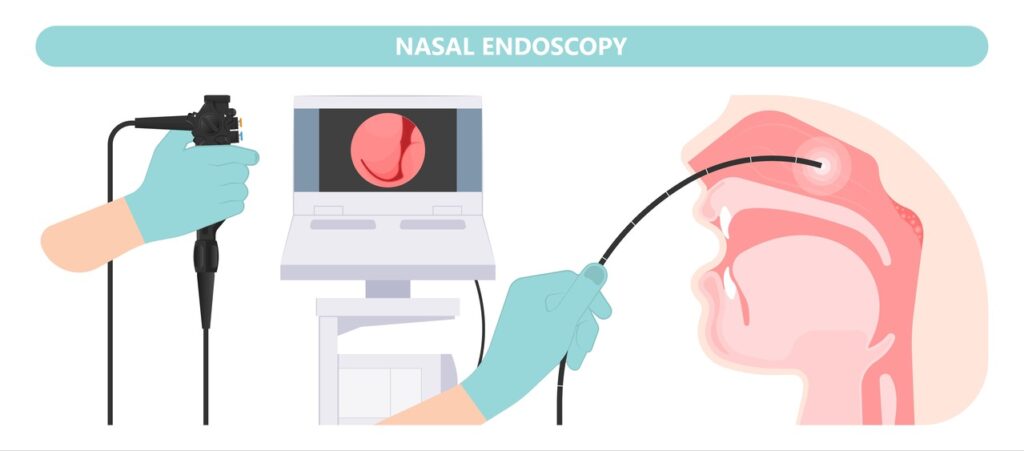
The procedure allows identification of abnormal growths, bleeding, or other suspicious changes within the hidden anatomical space.
Tissue Sampling: When abnormalities are detected during endoscopy, tissue biopsies are obtained under local anesthesia for microscopic examination.
Laboratory analysis determines whether malignant cells are present and identifies the specific cancer subtype.
Blood Testing: Epstein-Barr virus DNA detection through blood testing serves as both diagnostic aid and monitoring tool.
Elevated EBV DNA levels may indicate active cancer, and serial measurements help assess treatment response and detect recurrence.
Advanced Imaging Studies:
- Computed Tomography (CT) scans provide detailed cross-sectional images of head and neck structures
- Magnetic Resonance Imaging (MRI) offers superior soft tissue contrast for tumor visualization
- Positron Emission Tomography (PET) scans help detect metastatic spread throughout the body
Cancer Staging
Accurate staging determines treatment planning and prognosis prediction:
| Stage | Description | 5-Year Survival Rate |
|---|---|---|
| Stage 0 | Cancer confined to surface cell layer | >95% |
| Stage I | Cancer extends to oropharynx or nasal cavity | 93% |
| Stage II | Spread to nearby lymph nodes (one side) | 87% |
| Stage III | Involvement of surrounding tissues and bilateral lymph nodes | >80% |
| Stage IV | Extensive local spread or distant metastases | 64% |
Treatment Modalities
Radiation Therapy
Radiation therapy serves as the cornerstone treatment for nasopharyngeal cancer. Modern techniques deliver high-energy beams precisely to tumor sites while minimizing damage to surrounding healthy tissues.
Advanced Radiation Techniques:
- Intensity-Modulated Radiation Therapy (IMRT) allows precise dose sculpting around critical structures
- Proton Beam Therapy represents cutting-edge technology that deposits energy primarily within tumor tissues, reducing collateral damage to normal structures
Chemotherapy Integration
Chemotherapy drugs work synergistically with radiation therapy to improve treatment outcomes. Administration timing varies based on cancer stage and individual patient factors:
Concurrent Chemoradiation: Simultaneous chemotherapy and radiation therapy enhances treatment effectiveness but may increase side effect severity.
Sequential Approaches:
- Neoadjuvant chemotherapy administered before radiation therapy
- Adjuvant chemotherapy given after completion of radiation treatment
Surgical Interventions
Surgery plays a limited role in initial NPC treatment due to anatomical constraints and proximity to critical structures. Surgical options include:
Endoscopic Resection: Minimally invasive techniques through nasal approaches for small, localized recurrences.
Open Surgical Procedures: Reserved for select cases of recurrent disease where other treatments have failed.
Emerging Therapies
Targeted Therapy: Monoclonal antibodies targeting specific proteins on cancer cells, such as EGFR inhibitors, show promise for advanced or recurrent disease.
Immunotherapy: PD-1 inhibitors enhance the immune system’s ability to recognize and attack cancer cells, offering new hope for patients with treatment-resistant disease.
Prevention Strategies
Dietary Modifications
Reducing consumption of salt-cured and preserved foods represents the most actionable prevention strategy. Incorporating fresh fruits, vegetables, nuts, and whole grains while limiting processed foods may help reduce cancer risk.
Lifestyle Optimizations
- Tobacco Avoidance: Eliminating smoking and secondhand smoke exposure
- Alcohol Moderation: Limiting alcohol consumption to recommended guidelines
- Regular Exercise: Maintaining physical activity for overall health optimization
- Weight Management: Achieving and maintaining healthy body weight
High-Risk Population Screening
Individuals with family history of nasopharyngeal cancer benefit from regular surveillance through nasoendoscopy and EBV DNA monitoring. Early detection dramatically improves treatment outcomes and survival rates.
Prognosis and Survival Outcomes
Stage-Dependent Survival Rates
Early-stage disease (Stages I-II) demonstrates excellent prognosis, with 5-year survival rates exceeding 90%.
However, approximately 75% of cases are diagnosed at advanced stages (III-IV), resulting in reduced survival rates.
Factors Influencing Outcomes
Patient age at the time of diagnosis plays a crucial role in determining treatment outcomes, as younger individuals typically demonstrate superior recovery rates and enhanced tolerance to aggressive treatment protocols.
The overall health status and performance level of patients significantly impact their ability to withstand intensive treatments; those who maintain good physical condition and functional capacity before diagnosis generally experience fewer complications and achieve better therapeutic responses.
Epstein-Barr virus DNA levels measured in the blood serve as important prognostic indicators, with lower viral loads consistently correlating with improved survival rates and reduced risk of disease recurrence.
Additionally, the speed and extent of tumor response to initial treatment provide valuable insights into long-term prognosis, as patients who demonstrate rapid tumor shrinkage during early treatment phases often maintain sustained remissions and achieve superior overall survival outcomes.
Living with Nasopharyngeal Cancer
Treatment-Related Side Effects
Radiation Therapy Effects:
- Throat and mouth sores that may require nutritional support
- Dry mouth (xerostomia) affecting eating and speaking
- Potential hearing changes
- Skin reactions in treatment areas
Patients undergoing radiation therapy commonly develop painful throat and mouth sores (mucositis) that can significantly impact nutrition and require specialized dietary support or temporary feeding tube placement.
Xerostomia, or chronic dry mouth, represents another frequent complication that affects patients’ ability to eat, speak, and maintain oral hygiene, often persisting long after treatment completion.
Hearing alterations may occur due to the proximity of treatment areas to auditory structures, potentially resulting in temporary or permanent hearing impairment that requires audiological monitoring.
Skin reactions within the radiation treatment field typically manifest as redness, irritation, or darkening similar to sunburn, requiring careful skincare management during and after treatment.
Chemotherapy Side Effects:
Systemic chemotherapy frequently causes profound fatigue and weakness that can interfere with daily activities and may persist for months following treatment completion.
Gastrointestinal symptoms including nausea, vomiting, and appetite suppression often necessitate antiemetic medications and nutritional counseling to maintain adequate caloric intake and prevent weight loss.
The immunosuppressive effects of chemotherapy significantly increase susceptibility to bacterial, viral, and fungal infections, requiring patients to adopt strict hygiene measures and avoid exposure to infectious agents.
Hair loss (alopecia) occurs with many chemotherapy regimens and, while typically temporary, can cause significant psychological distress requiring supportive counseling and cosmetic solutions.
Supportive Care Measures
Comprehensive care teams include medical oncologists, radiation oncologists, ENT surgeons, nutritionists, speech therapists, and audiologists working collaboratively to optimize patient outcomes and quality of life.
Research and Future Directions
Singapore continues advancing nasopharyngeal cancer research through clinical trials investigating novel therapeutic approaches. Areas of active investigation include:
- Precision medicine approaches based on genetic tumor profiling
- Combination immunotherapy strategies
- Advanced radiation delivery techniques
- Biomarker development for early detection
Frequently Asked Questions
What makes nasopharyngeal cancer particularly common in Singapore?
The high prevalence in Singapore stems from multiple factors including genetic predisposition among the Southern Chinese population, traditional dietary practices involving salt-cured foods, and high rates of Epstein-Barr virus infection.
The combination of these environmental and genetic factors creates an ideal environment for cancer development.
How can I differentiate between normal symptoms and potential cancer signs?
Key warning signs include persistent symptoms lasting more than two weeks, particularly painless neck lumps, one-sided hearing loss, blood-tinged saliva, or nasal bleeding that doesn’t resolve with standard treatments.
Unlike temporary infections, cancer-related symptoms typically worsen over time rather than improving.
What dietary changes can help prevent nasopharyngeal cancer?
Focus on reducing salt-cured and preserved foods such as salted fish, cured meats, and pickled vegetables. Instead, emphasize fresh fruits, vegetables, nuts, whole grains, and lean proteins. Limit processed foods containing nitrates and nitrites, which are known carcinogens associated with NPC development.
Should family members of NPC patients undergo screening?
Yes, first-degree relatives face significantly higher risk and should consider regular screening through nasoendoscopy and EBV DNA blood tests.
Early detection programs in Singapore offer free screening for high-risk individuals, as family history represents one of the strongest risk factors.
What treatment options are available for recurrent nasopharyngeal cancer?
Recurrent disease treatment depends on the location and extent of recurrence. Options include salvage surgery (either endoscopic or open approaches), re-irradiation with advanced techniques, targeted therapy drugs, or immunotherapy.
Treatment selection requires careful evaluation by specialized oncology teams.
How does nasopharyngeal cancer treatment affect fertility and family planning?
Radiation therapy to the head and neck region typically doesn’t directly affect reproductive organs. However, some chemotherapy drugs may impact fertility. Patients of reproductive age should discuss fertility preservation options with their oncology team before beginning treatment.
What support services are available for NPC patients in Singapore?
Singapore offers comprehensive support including specialist cancer centers, multidisciplinary care teams, nutritional counseling, speech therapy, audiological services, and patient support groups.
Many hospitals provide dedicated head and neck cancer coordinators to help navigate treatment pathways.
Can nasopharyngeal cancer be completely cured?
Early-stage nasopharyngeal cancer has excellent cure rates exceeding 90% with appropriate treatment.
Even some advanced cases can achieve long-term remission with aggressive treatment approaches. The key lies in early detection and prompt initiation of evidence-based therapy.
How often should NPC survivors have follow-up appointments?
Follow-up schedules typically involve visits every 3-6 months for the first two years, then every 6-12 months for years 3-5, followed by annual visits thereafter.
Regular monitoring includes physical examinations, nasoendoscopy, imaging studies, and EBV DNA blood tests to detect potential recurrence.
Are there any long-term complications from NPC treatment?
Potential long-term effects may include permanent hearing changes, dry mouth, dental problems, neck stiffness, or rarely, secondary cancers from radiation exposure.
However, modern treatment techniques significantly reduce these risks while maintaining excellent cancer control rates.
General shopping ideas, independent of this article’s advice.
Swipe to compare products →MillionParcel Carton Box N | Packing Box | Moving Box | Cardboard box | Boxes for Moving | Delivery box | Storage BoxFrom S$0.57mixshop Dog Poop Bag/Pet Poop Bag/Small Garbage Rubbish bag, samll plastic bagFrom S$0.36Kirei Kirei Anti-Bacterial Hand Wash Hand Soap, (200ml Refill, 250ml/450ml Bottles)From S$1.62Prices may vary by option. Check the final price and delivery on Shopee.