

Testicular cancer represents a significant health concern for young men in Singapore, despite accounting for only 1-2% of all male cancers.
Explore everyday essentials and compare current offers on Shopee.
Browse ShopeeThis malignancy primarily affects men between the ages of 20 and 40, making it one of the most prevalent cancers in this demographic.
The encouraging news is that testicular cancer maintains one of the highest cure rates among solid tumors, with survival rates exceeding 95% when detected early.
In Singapore, approximately 59 men are diagnosed with testicular cancer annually. While this number may seem relatively small, the impact on young men and their families cannot be understated.
Understanding the disease, recognizing early warning signs, and knowing available treatment options can significantly improve outcomes and quality of life.
Read more: STD Testing in Singapore: What You Need to Know
Understanding Testicular Cancer
What Are the Testicles?
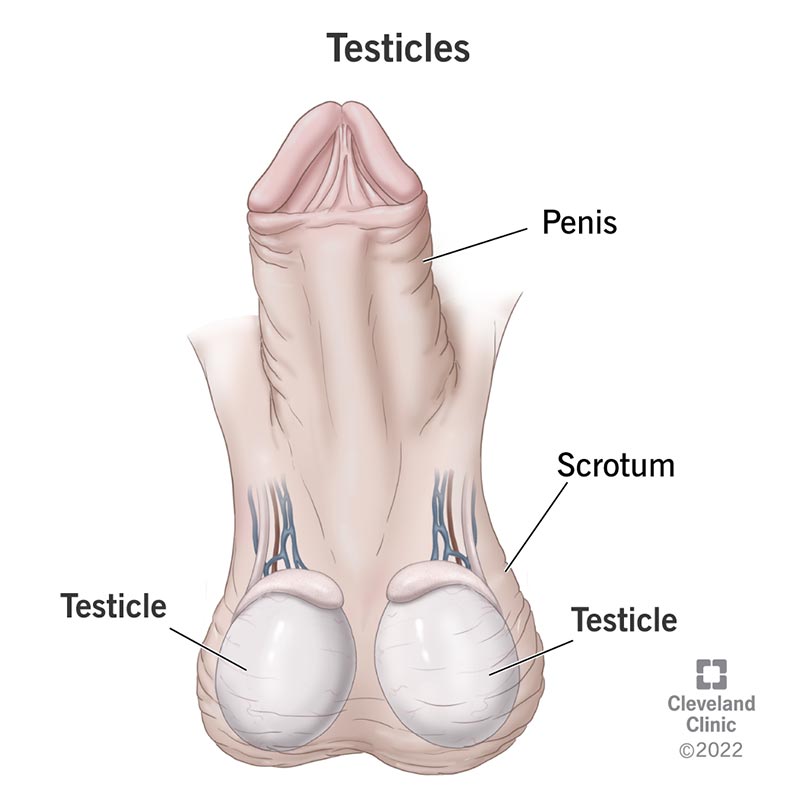
The testicles, medically termed testes, are two oval-shaped reproductive organs housed within the scrotum. These essential organs serve dual functions: producing testosterone (the primary male hormone) and generating sperm necessary for reproduction.
Each testicle contains specialized cells that mature into sperm-producing cells, alongside supporting cells that create enzymes and fluids essential for proper sperm function.
Related article: Fertility Testing in Singapore: What to Expect, Options, and Costs
Defining Testicular Cancer
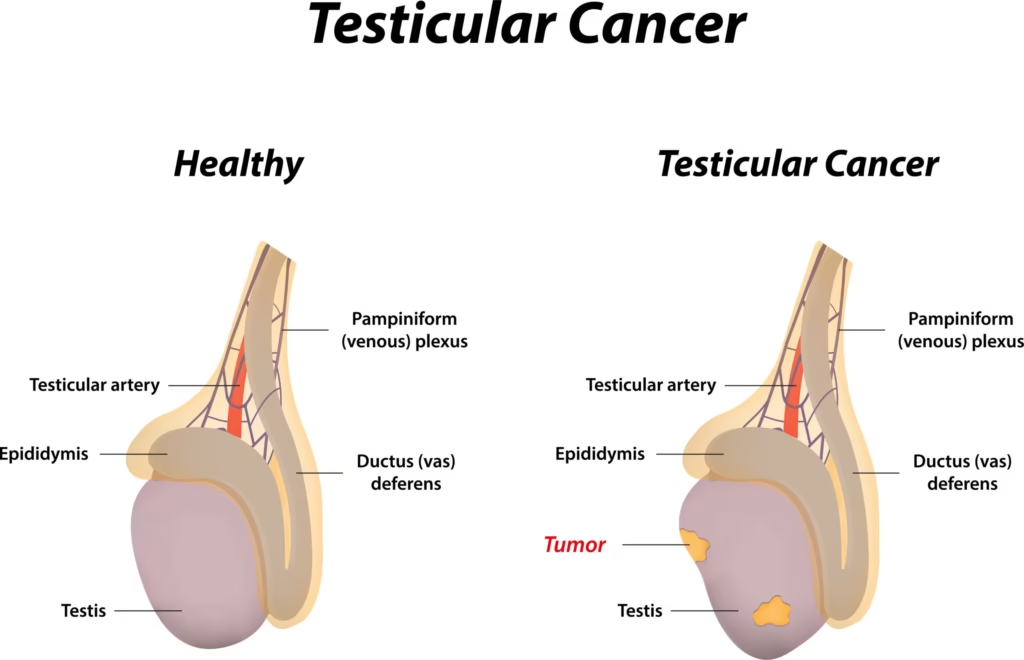
Testicular cancer occurs when normal cells within the testicles undergo malignant transformation, developing into cancerous tissue.
This transformation typically begins in the germ cells – the primitive cells responsible for sperm production. When these cells become cancerous, they form tumors known as testicular germ cell cancers.
The disease most commonly manifests as a painless mass or swelling within one testicle, though it can occasionally affect both testicles simultaneously. Early detection and prompt medical intervention are crucial for optimal treatment outcomes.
You might like: A Comprehensive Guide to In-Vitro Fertilisation (IVF) in Singapore
Types of Testicular Cancer
Understanding the different types of testicular cancer is essential for determining appropriate treatment strategies. The classification system divides testicular cancers into several distinct categories:
Primary Classifications
| Cancer Type | Percentage | Characteristics | Age Group |
|---|---|---|---|
| Germ Cell Tumors | 95% | Develop from sperm-producing cells | 20-40 years |
| Stromal Tumors | 5% | Develop from supportive tissues | Various ages |
Germ Cell Tumor Subtypes
- Slower-growing variant with better prognosis
- Primarily affects men aged 25-45 years
- May also occur in older men (55-60 years)
- More responsive to radiation therapy
- Usually confined to testicle at diagnosis
- Generally easier to treat than other variants
Related article: Which Gynaecologist in Singapore Should You Consider?
Non-Seminoma Testicular Cancer
- More aggressive than seminoma variants
- Commonly affects younger men (15-35 years)
- Higher likelihood of spreading to other organs
- May metastasize to bones, lungs, liver, and brain
- Requires combination chemotherapy approaches
- More challenging to treat due to aggressive nature
Mixed Germ Cell Tumors
- Requires aggressive treatment protocols
- Contains both seminoma and non-seminoma cells
- Treated as non-seminoma due to aggressive nature
- Higher potential for spreading throughout the body
You might like: HIV Testing in Singapore: Everything You Need to Know
Recognizing Signs and Symptoms
Early recognition of testicular cancer symptoms can dramatically improve treatment outcomes.
Many men delay seeking medical attention due to embarrassment or fear, but prompt evaluation is essential for optimal results.
Primary Symptoms
The most common presentation of testicular cancer involves painless swelling or a lump within one or both testicles.
Patients may also notice changes in testicle size, shape, or consistency that develop gradually over time.
Many men report a feeling of heaviness in the scrotum, while others experience a dull ache or discomfort in the lower abdomen or groin area.
You might like: Circumcision in Singapore
Advanced Symptoms
When cancer spreads beyond the testicles, additional symptoms may develop that affect other parts of the body.
Persistent lower back pain often indicates spread to lymph nodes in the abdomen. Chronic fatigue and general weakness may accompany advanced disease, along with excessive sweating, particularly during nighttime hours.
Respiratory symptoms such as shortness of breath or difficulty breathing may suggest lung involvement, while chest pain or discomfort can indicate spread to the chest area.
Some patients experience unexplained fever or develop breast enlargement and tenderness due to hormonal changes caused by certain tumor types.
Read more: Testosterone Replacement Therapy in Singapore: Symptoms, Causes, Benefits
Important Considerations
The absence of pain does not rule out testicular cancer, making regular self-examination crucial for early detection.
Any persistent changes in the testicles warrant prompt medical evaluation, regardless of whether pain is present.
You might like: Egg Freezing in Singapore
Risk Factors and Causes
While the exact cause of testicular cancer remains unknown, researchers have identified several factors that increase the likelihood of developing this disease.
Established Risk Factors
Undescended Testicles (Cryptorchidism)
Men with a history of undescended testicles face significantly higher cancer risk, and this risk persists even after surgical correction.
The condition affects both testicles’ cancer risk, not just the undescended one, making ongoing surveillance particularly important for these individuals.
Family History
Approximately 1-3% of men with testicular cancer have affected family members, indicating that genetic predisposition plays a role in cancer development.
Brothers and sons of affected men should undergo regular screening and maintain heightened awareness of potential symptoms.
You might be interested: Abortion in Singapore: A Comprehensive Guide
Personal Medical History
Previous testicular cancer in the opposite testicle increases the risk of developing cancer in the remaining testicle.
Men with a history of hypospadias (urethral opening abnormality) also face elevated risk, as do those with HIV infection and other immunocompromising conditions that weaken the body’s natural defense systems.
Demographic Factors
Certain genetic conditions may also increase susceptibility to this type of malignancy.
You might like: Hysterectomy in Singapore: Costs, Risks, Treatment
Staging System
Medical professionals use the TNM staging system to classify testicular cancer severity and determine appropriate treatment protocols.
TNM Classification
The TNM system evaluates three key aspects of the cancer: T (Tumor) describes the primary tumor’s extent within the testicle and surrounding structures, N (Node) indicates whether cancer has spread to nearby lymph nodes, and M (Metastasis) shows whether distant organs have been affected by cancer spread.
Stage Descriptions
| Stage | Description | Characteristics |
|---|---|---|
| Stage 0 | Carcinoma in situ | Abnormal cells present but not invasive |
| Stage I | Localized cancer | Confined to testicle, no spread |
| Stage IA | Early localized | Small tumor, normal markers |
| Stage IB | Localized with growth | Tumor extends beyond testicle |
| Stage IS | Elevated markers | Tumor markers remain high |
| Stage II | Regional spread | Cancer in nearby lymph nodes |
| Stage IIA-C | Progressive regional | Increasing lymph node involvement |
| Stage III | Distant spread | Cancer in distant organs or lymph nodes |
| Stage IIIA-C | Advanced disease | Varying degrees of distant spread |
Diagnostic Procedures
Accurate diagnosis requires multiple complementary approaches to confirm cancer presence and determine its extent.
Physical Examination
Healthcare providers begin with thorough physical examination that includes detailed testicular palpation to identify masses or abnormalities.
The assessment extends to lymph node areas in the neck, armpits, and groin, along with evaluation of the abdomen and chest for signs of cancer spread.
Providers also conduct comprehensive review of medical history and current symptoms to better understand the clinical picture.
Imaging Studies
Scrotal ultrasound serves as the primary imaging tool for testicular evaluation, providing detailed visualization of internal testicular structures.
This non-invasive procedure can distinguish between solid masses and fluid collections with high accuracy, making it an essential component of the diagnostic process.
Computed Tomography (CT) Scans
CT scans evaluate the chest, abdomen, and pelvis for evidence of cancer spread beyond the testicles.
These studies can identify enlarged lymph nodes and detect metastatic disease in various organs, providing essential information for staging and treatment planning decisions.
Laboratory Tests
Tumor Markers
Blood tests measure specific proteins that may indicate testicular cancer presence and help monitor treatment response:
| Marker | Normal Range | Significance |
|---|---|---|
| Alpha-fetoprotein (AFP) | <10 ng/mL | Elevated in non-seminomas |
| Beta-hCG | <1 mIU/mL | Elevated in various types |
| Lactate Dehydrogenase (LDH) | 140-280 U/L | General cancer indicator |
Definitive Diagnosis
Radical Orchiectomy
Radical orchiectomy involves surgical removal of the affected testicle and provides tissue for microscopic examination to confirm the diagnosis.
This procedure simultaneously serves as initial treatment and is performed through an inguinal incision to prevent potential cancer spread that could occur with other surgical approaches.
Treatment Options
Testicular cancer treatment approaches depend on cancer type, stage, and individual patient factors.
Singapore’s healthcare system offers comprehensive treatment options aligned with international standards.
Surgical Treatment
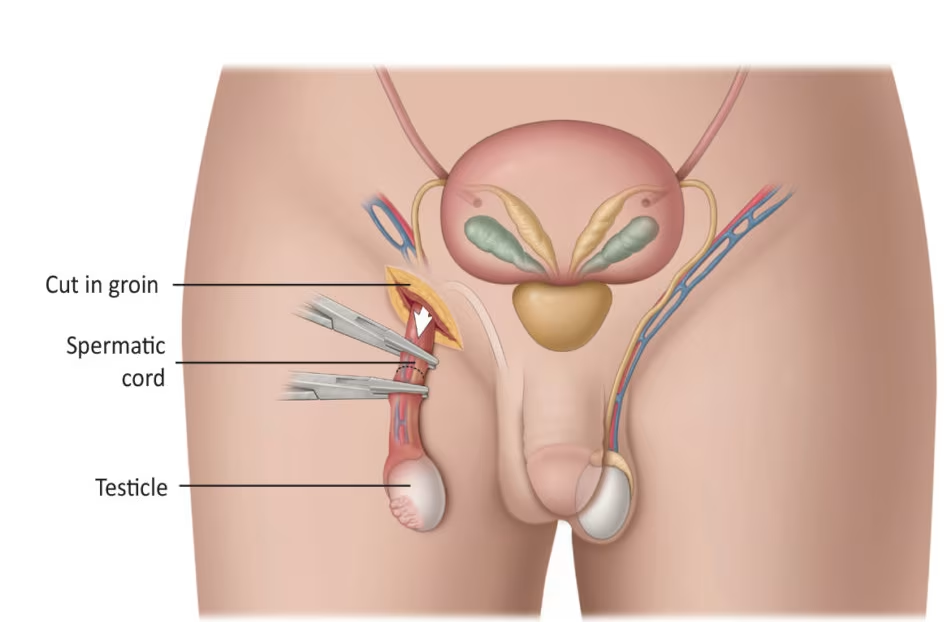
Radical orchiectomy serves as the primary treatment for all testicular cancers and involves complete removal of the affected testicle and spermatic cord.
Surgeons perform this procedure through a groin incision to minimize cancer spread risk, and patients may choose prosthetic testicle placement for cosmetic reasons during the same operation.
Retroperitoneal Lymph Node Dissection
Retroperitoneal lymph node dissection involves removal of lymph nodes in the abdomen and is used in specific cases of non-seminoma cancer to prevent recurrence.
While effective for cancer control, this procedure may affect fertility and ejaculation function, requiring careful consideration of timing and necessity.
Chemotherapy
Modern chemotherapy protocols achieve excellent cure rates for testicular cancer, even in advanced stages where the disease has spread to other organs.
Standard Regimens
The most commonly used chemotherapy combinations include BEP (Bleomycin, Etoposide, Cisplatin) for most patients, EP (Etoposide, Cisplatin) for patients unable to receive bleomycin due to lung concerns, and VIP (Vinblastine, Ifosfamide, Cisplatin) for cases resistant to standard treatments.
Treatment Cycles
Chemotherapy is typically administered in 3-4 cycles, with each cycle spanning 21 days to allow the body time to recover between treatments.
Most patients receive outpatient administration, allowing them to maintain some normal activities during treatment while receiving regular monitoring for side effects and tumor response.
Radiation Therapy
External Beam Radiation
External beam radiation therapy is primarily used for seminoma cancer and targets lymph nodes in the abdomen and pelvis where seminoma commonly spreads.
Treatment is delivered over several weeks using precisely focused radiation beams that minimize exposure to healthy surrounding tissues.
Treatment Planning
Radiation treatment planning involves precise targeting to minimize healthy tissue exposure while ensuring adequate coverage of areas at risk for cancer spread.
Patients typically receive daily treatments over 2-4 weeks, with regular assessment of treatment response and monitoring for potential side effects throughout the course.
Advanced Treatment Options
Targeted Therapy
Targeted therapy options include monoclonal antibody treatments and tyrosine kinase inhibitors that are reserved for specific cancer subtypes or cases that don’t respond to conventional treatments.
These therapies are often used in combination with conventional treatments to enhance effectiveness.
Immunotherapy
Immunotherapy using checkpoint inhibitor medications enhances the immune system’s ability to recognize and attack cancer cells.
This represents an emerging treatment option for resistant cases, with ongoing research to determine optimal applications and patient selection criteria.
Treatment Side Effects
Understanding potential treatment side effects helps patients make informed decisions and prepare for recovery.
Surgical Side Effects
Immediate Effects
Post-operative effects commonly include pain and discomfort at the surgical site, scrotal swelling and bruising that typically resolves within weeks, and temporary activity restrictions to promote proper healing.
Patients also face small risks of infection or bleeding that require monitoring during the recovery period.
Long-term Considerations
Long-term surgical considerations include cosmetic changes if prosthetic replacement is not chosen, potential fertility impact that is usually minimal when one testicle remains functional, psychological adjustment to body changes, and rare complications from anesthesia that may have lasting effects.
Chemotherapy Side Effects
Common Short-term Effects
Short-term chemotherapy effects include nausea and vomiting that can be managed with anti-nausea medications, temporary hair loss that typically regrows after treatment completion, fatigue and weakness that may persist for months, mouth sores and taste changes that affect eating, and increased infection risk due to lowered white blood cell counts.
Potential Long-term Effects
Long-term chemotherapy effects may include hearing loss, particularly with cisplatin-based regimens, kidney function changes that require ongoing monitoring, lung function impairment when bleomycin is used, increased risk of secondary cancers developing years later, and cardiovascular complications that may emerge over time.
Radiation Therapy Side Effects
Acute Effects
Acute radiation effects include skin irritation in the treatment area that resembles sunburn, fatigue and general weakness that builds during treatment, nausea when treating the abdominal area, and temporary digestive disturbances that usually resolve after treatment completion.
Late Effects
Late radiation effects may include potential fertility impact on the remaining testicle, increased risk of secondary cancers in the radiation field, possible kidney or bowel complications if these organs receive radiation exposure, and long-term tissue changes that may cause ongoing discomfort or functional issues.
Prognosis and Survival Rates
Testicular cancer maintains one of the best prognosis rates among all cancer types, particularly when detected early.
Survival Statistics
| Stage | 5-Year Survival Rate | Treatment Success |
|---|---|---|
| Stage I | >95% | Excellent |
| Stage II | 90-95% | Very Good |
| Stage III | 80-90% | Good |
| Advanced | 70-80% | Favorable |
Factors Affecting Prognosis
Positive Prognostic Factors
Positive prognostic factors include early stage at diagnosis, seminoma cancer type, young age at diagnosis, good general health status, and normal tumor markers after treatment completion.
These factors contribute to excellent treatment outcomes and reduced risk of cancer recurrence.
Challenging Prognostic Factors
Challenging prognostic factors include advanced stage at presentation, non-seminoma cancer with multiple subtypes, very high tumor marker levels at diagnosis, presence of brain or liver metastases, and poor response to initial chemotherapy treatment. Even with these factors, treatment outcomes remain generally favorable.
Prevention and Early Detection
While testicular cancer cannot be completely prevented, early detection significantly improves treatment outcomes.
Self-Examination Technique
Monthly Self-Examination Steps
Effective self-examination involves performing the check after a warm shower when scrotal skin is relaxed and easy to examine.
Men should gently roll each testicle between thumb and fingers, feeling for hard lumps, smooth masses, or changes in size compared to previous examinations.
Comparing one testicle to the other helps identify differences that may indicate problems, and documenting any changes from previous examinations helps track concerning developments over time.
What to Look For
During self-examination, men should watch for hard lumps or masses within the testicle, changes in testicle size or shape that develop gradually, unusual heaviness or discomfort in the scrotal area, swelling or fluid accumulation around the testicles, and pain or tenderness, though this is less common in testicular cancer.
Risk Reduction Strategies
Lifestyle Modifications
While no specific lifestyle changes prevent testicular cancer definitively, maintaining a healthy diet rich in fruits and vegetables supports overall immune function.
Regular exercise helps maintain general health, while avoiding exposure to harmful chemicals when possible may reduce cancer risk.
Practicing safe sex reduces infection risk, and limiting alcohol consumption while avoiding tobacco supports overall health.
Medical Surveillance
Regular check-ups with healthcare providers ensure prompt evaluation of any concerns, while immediate assessment of concerning symptoms prevents delays in diagnosis.
Men with family history should discuss their risk with doctors, and genetic counseling may be indicated for families with multiple affected members. Maintaining awareness of personal risk factors helps guide appropriate screening strategies.
Fertility Considerations
Testicular cancer and its treatment can significantly impact fertility, making preservation strategies crucial for young men.
Fertility Preservation Options
Sperm Banking (Cryopreservation)
Sperm banking is recommended before any treatment begins and allows future family planning options through a simple outpatient procedure.
Modern techniques provide long-term storage capabilities, though insurance coverage varies among different plans and may require advance verification.
Timing Considerations Sperm banking should occur before orchiectomy when possible and must be completed before chemotherapy begins to ensure viable sperm collection.
Multiple collections may be recommended to maximize the amount of stored sperm, and psychological counseling support helps patients cope with fertility concerns during this stressful time.
Treatment Impact on Fertility
Single Testicle Removal
Single testicle removal usually maintains normal fertility as the remaining testicle compensates for hormone and sperm production.
Regular monitoring of hormone levels ensures optimal function, with potential need for testosterone supplementation if levels become inadequate for normal function and wellbeing.
Chemotherapy Effects
Chemotherapy can cause temporary or permanent sperm production reduction, with higher doses increasing infertility risk.
Recovery is possible months to years after treatment completion, making regular fertility assessment during follow-up care important for family planning decisions.
Follow-up Care
Comprehensive follow-up care is essential for monitoring treatment response and detecting potential recurrence.
Surveillance Schedule
First Two Years
The first two years after treatment require the most intensive monitoring with physical examinations every 2-3 months, tumor marker blood tests at each visit, chest X-rays or CT scans every 3-6 months, and abdominal CT scans every 6 months to detect any signs of recurrence.
Years 3-5
During years 3-5, surveillance can be less frequent with physical examinations every 6 months, tumor markers checked every 6 months, annual imaging studies to monitor for recurrence, and ongoing self-examination education to maintain vigilance.
Long-term Follow-up
Long-term follow-up includes annual physical examinations, periodic tumor marker assessment, cardiovascular and pulmonary monitoring for treatment-related effects, and secondary cancer surveillance since some treatments may increase risk of other cancers.
Signs Requiring Immediate Attention
Potential Recurrence Symptoms
Signs that require immediate medical attention include new lumps in the remaining testicle, enlarged lymph nodes anywhere in the body, persistent back pain that doesn’t respond to usual treatments, shortness of breath or breathing difficulties, unexplained weight loss, and abdominal masses or persistent pain.
Read more: Psychologists in Singapore: How Can They Help?
Living with Testicular Cancer
Psychological Support
Emotional Challenges
Common emotional challenges include anxiety about cancer recurrence, body image concerns following surgery, fertility worries and their impact on relationships, relationship impacts from physical and emotional changes, and career and life planning adjustments necessitated by the diagnosis and treatment.
Read more: Couples Counselling in Singapore
Support Resources
Available support resources include professional counseling services specializing in cancer patients, support groups for cancer survivors that provide peer understanding, online communities and forums for ongoing support, family and friend support networks, and employee assistance programs through many workplaces.
This might help: Art Therapy in Singapore: A Therapeutic Healing Method
Quality of Life Considerations
Physical Recovery
Physical recovery involves gradual return to normal activities with guidance from healthcare providers, exercise and fitness recommendations tailored to individual recovery, nutritional support and guidance to optimize healing, managing treatment side effects as they arise, and regular health maintenance to prevent other health issues.
This might help: Best Physiotherapist in Singapore
Social and Professional Life
Social and professional considerations include workplace accommodations during treatment, open communication with family and friends about needs and limitations, financial planning and insurance considerations for ongoing care, future family planning discussions with partners and healthcare providers, and long-term health monitoring to maintain optimal wellness.
You might like: Best Personal Trainer in Singapore
Healthcare in Singapore
Singapore’s healthcare system provides comprehensive testicular cancer care through both public and private sectors.
Major Treatment Centers
Public Healthcare Institutions
Singapore’s public healthcare system offers excellent testicular cancer care through institutions which specializes in comprehensive cancer treatment, with its established oncology departmen, and offering advanced treatment options and research opportunities.
Private Healthcare Options
Private healthcare options with its comprehensive cancer center, offering personalized cancer care, providing integrated treatment services, and specializing in advanced cancer treatments with international standards.
Insurance and Financial Considerations
Coverage Options
Healthcare financing options include Medisave for basic treatments and surgeries, Medishield Life for comprehensive cancer coverage, private insurance supplementation for enhanced benefits, employer health benefits that may cover additional services, and charity and financial assistance programs for those who qualify based on financial need.
Frequently Asked Questions
What should I do if I find a lump in my testicle?
If you discover a lump or notice any changes in your testicle, schedule an appointment with a healthcare provider immediately.
While not all lumps are cancerous, early evaluation is crucial for proper diagnosis. Avoid delaying medical consultation due to embarrassment or fear, as prompt treatment significantly improves outcomes for testicular cancer.
Can testicular cancer affect both testicles simultaneously?
While testicular cancer typically affects only one testicle initially, it can occasionally involve both testicles.
Additionally, men who have had testicular cancer in one testicle face a slightly increased risk of developing cancer in the remaining testicle.
This is why regular self-examination and ongoing medical surveillance are essential for all testicular cancer survivors.
Does removing one testicle affect hormone production and masculinity?
Removing one testicle (orchiectomy) typically does not significantly impact hormone production or masculinity.
The remaining testicle usually compensates by producing adequate testosterone and maintaining normal male characteristics.
However, doctors will monitor hormone levels regularly and provide testosterone replacement therapy if needed to maintain optimal health and quality of life.
How does testicular cancer treatment affect fertility and family planning?
Testicular cancer treatment can impact fertility through several mechanisms. Chemotherapy may temporarily or permanently reduce sperm production, while surgery might affect ejaculation in some cases.
However, many men retain fertility after treatment. Sperm banking before treatment provides an excellent option for future family planning, and fertility often recovers over time following chemotherapy completion.
What is the likelihood of testicular cancer recurring after successful treatment?
Testicular cancer has relatively low recurrence rates, particularly when treated appropriately. Most recurrences occur within the first two years after treatment, which is why follow-up care is most intensive during this period.
The risk of recurrence depends on factors such as cancer stage, type, and initial treatment response. Regular surveillance helps detect any recurrence early when treatment options remain highly effective.
Are there any long-term health effects from testicular cancer treatment?
While most men recover completely from testicular cancer treatment, some may experience long-term effects.
Chemotherapy can potentially cause hearing loss, kidney function changes, increased cardiovascular risk, or secondary cancers decades later.
Radiation therapy may affect fertility or increase the risk of other cancers in the treatment area. Regular long-term follow-up helps monitor for and manage these potential complications.
Can lifestyle changes reduce the risk of developing testicular cancer?
Currently, no specific lifestyle modifications have been proven to prevent testicular cancer definitively.
However, maintaining overall good health through regular exercise, a balanced diet, avoiding tobacco and excessive alcohol, and limiting exposure to harmful chemicals may support general cancer prevention.
The most important factor is regular self-examination for early detection, as prompt treatment of testicular cancer yields excellent outcomes.
How long does treatment for testicular cancer typically take?
Treatment duration varies significantly based on cancer stage and type. Surgery (orchiectomy) is typically completed in one day with several weeks of recovery.
Chemotherapy usually requires 3-4 cycles over 9-12 weeks, while radiation therapy may span 2-4 weeks.
Overall treatment duration can range from a few weeks for early-stage disease to several months for advanced cases. Recovery and return to normal activities may take additional weeks to months.
What should family members know about supporting someone with testicular cancer?
Family support plays a crucial role in testicular cancer recovery. Understanding the treatment process, potential side effects, and emotional challenges helps family members provide appropriate support.
Practical assistance with daily activities during treatment, emotional support during difficult periods, and encouragement for maintaining follow-up care are all valuable.
Family members should also be aware that recovery is a gradual process that may involve temporary setbacks and ongoing adjustments.
Is testicular cancer hereditary, and should family members be concerned?
While most testicular cancer cases are not hereditary, approximately 1-3% of men with testicular cancer have a family history of the disease.
Brothers and sons of affected men face a slightly increased risk and should be particularly vigilant about regular self-examination and medical check-ups.
Genetic counseling may be beneficial for families with multiple affected members to assess risk and develop appropriate screening strategies.
Explore everyday essentials and compare current offers on Shopee.
Browse Shopee