
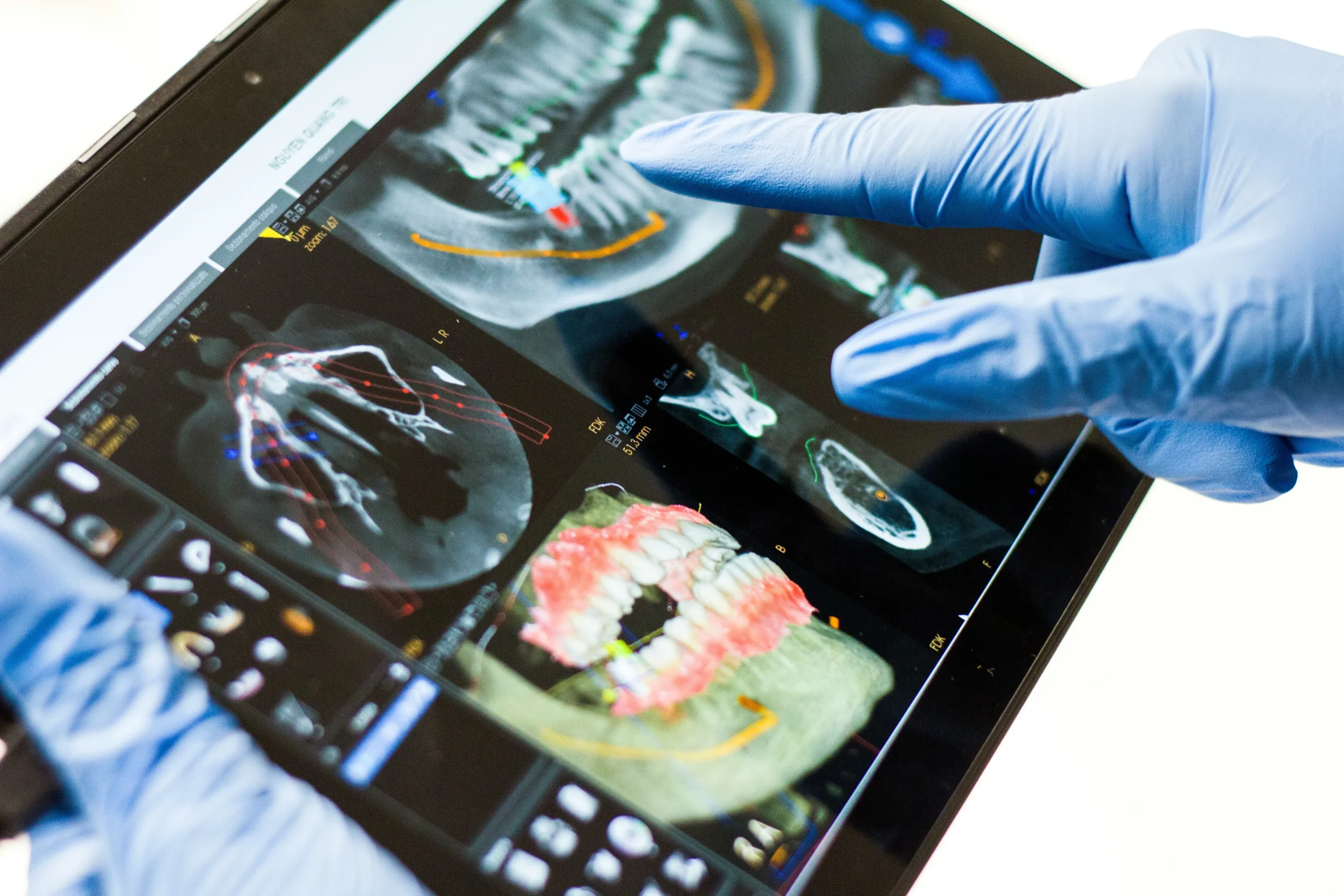
Singapore’s dental healthcare system offers world-class treatment options, but understanding the associated costs can help you make informed decisions about your oral health. Whether you’re considering routine preventive care or complex restorative procedures, this comprehensive guide provides detailed pricing information across different treatment categories.
General shopping ideas, independent of this article’s advice.
Swipe to compare products → 50pcs FREE 50pcs 100pcs FREE 200pcs | Custom Print | Mirrorcoat Sticker | Cheapest on ShopeeFrom S$0.11MillionParcel Bubble Polymailer Bag | Polymailer with Bubble Wrap | Bubble Mailer | Bubble EnvelopeFrom S$0.19MillionParcel Kraft Paper Bag for Gift | Door Gift Bag for Present | Gift Bags | Party Bag | Goodie BagFrom S$0.16
Prices may vary by option. Check the final price and delivery on Shopee.
Understanding Dental Treatment Categories
Cosmetic Dentistry Services
Cosmetic dental procedures focus on improving the appearance of your teeth and smile. These treatments are typically not covered by insurance or government subsidies but can significantly enhance your confidence and oral aesthetics.
Orthodontic Treatment Options:
- Clear aligners (Invisalign-style): $4,360 – $9,265
- Traditional metal braces: $4,033 – $4,796
- Ceramic braces: $5,014 – $5,668
- Self-ligating metal braces: $5,559 – $6,213
- Self-ligating ceramic braces: $6,104 – $6,758
Read more: The Complete Guide to Braces in Singapore
Most orthodontic treatments require an initial consultation fee of approximately $240, which includes oral examination, X-ray scans, and 3D imaging. Payment plans are often available for major orthodontic work, with some clinics offering installment options for credit card holders.
Aesthetic Enhancement Procedures:
- Teeth whitening: $490 – $1,295 (varies by method)
- Dental veneers: $164 – $1,962 (depending on material)
- Teeth bonding: $164 – $327 per tooth
- Teeth reshaping: $65 – $131 per tooth
- Gum contouring: $109 – $1,308
Restorative Dentistry Services
Restorative treatments aim to repair damaged teeth and restore proper function. Some of these procedures may qualify for government subsidies or MediSave claims.
Major Restorative Procedures:
| Treatment Type | Price Range (SGD) | MediSave Eligible |
|---|---|---|
| Dental Implants | $3,815 – $7,085 per tooth | Yes |
| Dental Crowns | $763 – $1,417 per tooth | No |
| Dental Bridges | $763 – $1,417 per set | No |
| Root Canal Treatment | $436 – $1,090 | No |
| Wisdom Tooth Surgery | $708 – $1,690 | Yes |
Routine Restorative Care:
- Dental fillings: $76 – $327 per tooth
- Dentures (acrylic): $327 – $709 per arch
- Gum treatment: $98 – $981
- Simple wisdom tooth extraction: $196 – $273 per tooth
Preventive Dental Care
Regular preventive care is the most cost-effective approach to maintaining oral health. These routine procedures help prevent more expensive treatments in the future.
Basic Preventive Services:
- Consultation and oral examination: $22 – $55
- Scaling and polishing: $65 – $164
- Topical fluoride treatment: $38
- Airflow stain removal: $16 – $55
Government Subsidies and Financial Assistance
CHAS (Community Health Assist Scheme) Benefits
Singapore residents may qualify for dental subsidies based on household income and home value. The subsidy amounts vary according to your CHAS card type:
CHAS Subsidy Amounts – Standard Categories:
| Treatment | CHAS Orange | CHAS Blue | Claim Limits |
|---|---|---|---|
| Consultation | $0 | $20.50 | 2 per year |
| Permanent Crown | $84.50 | $127.50 | 4 per year |
| Complete Dentures | $170.50 | $256.50 | 1 per 3 years |
| Root Canal (Anterior) | $109.50 | $164 | 2 per year |
| Scaling & Polishing | $0 | $50.50 | 2 per year |
CHAS Subsidy Amounts – Senior Categories:
| Treatment | Merdeka Generation | Pioneer Generation | Additional Benefits |
|---|---|---|---|
| Consultation | $25.50 | $30.50 | Higher subsidy rates |
| Permanent Crown | $132.50 | $137.50 | Extended coverage |
| Complete Dentures | $261.50 | $266.50 | Priority scheduling |
| Root Canal (Anterior) | $169 | $174 | Comprehensive care |
| Scaling & Polishing | $60.50 | $70.50 | Regular maintenance |
Each subsidy category has annual claim limits. For example, consultations are limited to 2 per year, while permanent crowns can be claimed up to 4 times annually.
MediSave Coverage
Certain surgical dental procedures qualify for MediSave claims, helping to offset treatment costs:
MediSave-Eligible Procedures:
- Dental implant insertion: Up to $1,950 per tooth
- Dental implant removal: Up to $1,320 per tooth
- Single wisdom tooth surgery: Up to $2,220
- Multiple wisdom tooth surgery (2-3 teeth): Up to $3,210
- Surgical consumables: Up to $830
Private vs Public Healthcare Costs
Public Institution Pricing
Public healthcare institutions offer more affordable options, though waiting times may be longer. Here’s a comparison of average costs at major public hospitals:
| Procedure | Public Institution Range | Private Clinic Range |
|---|---|---|
| Root Canal (Anterior) | $328 – $643 | $436 – $545 |
| Dental Crown | $685 – $1,642 | $763 – $1,417 |
| Dental Implant | $4,859 – $6,400 | $3,815 – $7,085 |
| Orthodontic Treatment | $4,242 – $5,600 | $4,033 – $9,265 |
Choosing Between Public and Private Care
Public Healthcare Advantages
Public healthcare systems offer significantly lower costs for most dental procedures, making quality care accessible to a broader population. Government subsidies are often available to further reduce the financial burden on patients, particularly for essential treatments. Despite the lower costs, patients can still expect high-quality care from qualified specialists who meet the same professional standards as their private counterparts. Public healthcare providers often have extensive experience treating a wide variety of cases due to the high patient volume they serve.
Private Healthcare Advantages
Private healthcare facilities typically offer shorter waiting times, allowing patients to receive treatment more quickly when needed. These clinics provide more flexible scheduling options, accommodating busy lifestyles and urgent treatment needs. Patients often enjoy premium clinic amenities, including modern facilities, comfortable waiting areas, and enhanced patient service experiences. Private practices frequently offer comprehensive treatment options, including the latest technologies and specialized procedures that may not be readily available in public settings.
Cost-Saving Strategies
Insurance and Corporate Benefits
Many employers provide dental insurance as part of their comprehensive healthcare packages, representing a valuable employee benefit. These insurance plans typically cover routine preventive care such as cleanings, examinations, and basic treatments at little to no cost to the employee. Additionally, many plans contribute significantly toward major procedures like crowns, bridges, or orthodontic treatments. It’s essential to check with your HR department to understand your specific coverage limits, annual maximums, eligible treatments, and any waiting periods that may apply. Some employers also offer flexible spending accounts that allow you to set aside pre-tax dollars specifically for dental expenses.
Student and Concession Rates
Some dental clinics offer special pricing structures for students, national servicemen, and other qualifying groups as part of their community service initiatives. Traditional metal braces, for example, may be available for around $3,815 for eligible students, representing significant savings compared to standard pricing. These discounted rates can make essential treatments more accessible to young adults and those serving their country. Students should inquire about these programs at various clinics and verify eligibility requirements, which may include valid student identification or enrollment verification from accredited institutions.
Payment Plans and Financing
Flexible Payment Arrangements
Many private dental clinics offer flexible payment arrangements to make quality dental care more accessible to patients with varying financial situations. Installment plans are commonly available for major treatments, allowing patients to spread the cost over several months rather than paying a large sum upfront. These plans often come with little to no interest charges, making expensive procedures like implants or orthodontics more manageable for family budgets.
Credit card payment options with 0% interest periods provide another valuable financing alternative, particularly for patients who prefer to maintain control over their payment schedule. Many clinics partner with specialized healthcare financing companies that offer promotional periods where no interest accrues if the balance is paid within the specified timeframe.
Corporate partnerships for employee discounts represent an often-overlooked benefit that can result in substantial savings. These arrangements between dental practices and local businesses provide employees with reduced rates on various treatments, from routine cleanings to complex procedures. Family package deals for multiple treatments offer additional cost efficiencies, particularly beneficial for households requiring several family members to receive care simultaneously. These packages often include bundled pricing that reduces the per-treatment cost when multiple procedures are scheduled together.
Planning Your Dental Budget
Routine Maintenance Costs
For basic oral health maintenance, budget approximately:
- Bi-annual check-ups and cleaning: $200 – $400 per year
- Emergency consultations: $50 – $100 per visit
- Minor fillings or repairs: $150 – $600 per incident
Major Treatment Planning
Complex procedures require careful financial planning:
- Orthodontic treatment: $4,000 – $10,000 (with payment plans available)
- Full mouth rehabilitation: $15,000 – $40,000
- Dental implant therapy: $4,000 – $8,000 per tooth
Quality Considerations
Factors Affecting Treatment Costs
Several elements influence dental treatment pricing. Clinic location and overhead costs play a significant role in determining final prices. The dentist’s specialization and experience level also affects pricing structures.
Additionally, the technology and equipment used in the practice impacts treatment costs. The quality and origin of materials selected for procedures further influences the overall expense. Finally, treatment complexity and duration directly correlate with the final cost.
Value vs. Cost Analysis
While cost is important, consider the long-term value of quality dental care. Premium materials often last longer, providing better value over time. Experienced specialists may achieve better outcomes, reducing the need for future corrections or retreatments. Advanced technology can reduce treatment time, making procedures more efficient and comfortable. Proper aftercare support prevents complications that could lead to additional expenses down the road.
Making Informed Decisions
Research and Consultation
Before committing to expensive treatments, take time to gather comprehensive information. Obtain multiple professional opinions to ensure you’re receiving appropriate recommendations. Request detailed treatment plans with cost breakdowns so you can understand exactly what you’re paying for. Verify practitioner credentials and experience to ensure you’re working with qualified professionals. Read patient reviews and testimonials to gain insight into others’ experiences. Finally, understand warranty and follow-up policies to know what support you’ll receive after treatment.
Emergency Preparedness
Dental emergencies can be costly, so preparation is essential. Consider maintaining an emergency fund specifically for unexpected treatments. Take time to understand your insurance coverage for urgent care situations. Know which procedures qualify for MediSave claims to maximize your benefits. Keep contact information readily available for after-hours dental services when emergencies arise outside normal business hours.
Frequently Asked Questions
How much does a basic dental consultation cost in Singapore?
A standard dental consultation typically ranges from $22 to $55 at private clinics, while public institutions charge between $17 and $30. The consultation usually includes an oral examination, and additional fees apply for X-rays or specialized diagnostic procedures.
Can I use MediSave for all dental treatments?
MediSave coverage is limited to surgical procedures deemed medically necessary. This includes dental implant surgery, wisdom tooth surgery, and certain gum treatments. Routine procedures like cleanings, fillings, and root canals are generally not MediSave-eligible unless they involve surgical intervention.
What’s the difference between CHAS subsidies and MediSave claims?
CHAS subsidies provide immediate discounts at the point of service based on your income level and are available for routine dental care. MediSave allows you to use your CPF medical savings account for specific surgical procedures. You may be eligible for both programs simultaneously.
How much should I budget for orthodontic treatment?
Orthodontic treatment costs vary significantly based on complexity and method chosen. Traditional metal braces start around $4,000, while clear aligners can cost up to $9,300. Most clinics offer payment plans spanning 18-24 months to make treatment more affordable.
Are dental implants worth the high cost?
Dental implants typically cost $3,800 to $7,100 per tooth but offer several advantages over alternatives. They provide permanent tooth replacement, prevent bone loss, and don’t affect adjacent teeth. When properly maintained, implants can last decades, making them cost-effective long-term solutions.
How can I reduce my dental treatment costs?
Several strategies can help minimize dental expenses: maintain excellent oral hygiene to prevent problems, seek treatment at public institutions, utilize CHAS subsidies if eligible, consider dental schools for routine care, compare prices across multiple clinics, and address issues early before they become complex.
What dental treatments qualify for the highest MediSave claims?
Dental implant procedures offer the highest MediSave coverage, with up to $1,950 claimable per tooth for insertion. Multiple wisdom tooth surgeries can claim up to $3,210, while single tooth extractions qualify for up to $2,220. Surgical consumables add another $830 in potential claims.
Is it cheaper to get dental work done overseas?
While some neighboring countries offer lower dental costs, consider additional factors like travel expenses, follow-up care logistics, varying quality standards, and warranty issues. Many Singaporeans who pursue overseas treatment return for complications or refinements, potentially increasing overall costs.
How often should I visit the dentist to minimize long-term costs?
Most dental professionals recommend bi-annual check-ups and cleanings. Regular visits allow early detection and treatment of problems, preventing costly emergency procedures. The annual cost of preventive care ($200-400) is significantly less than treating advanced dental disease.
Do private dental clinics offer payment plans?
Many private clinics provide flexible payment options including interest-free installment plans, particularly for expensive treatments like orthodontics or implants. Some offer partnerships with credit companies or in-house financing. Always inquire about payment arrangements during your consultation.
What should I do if I can’t afford necessary dental treatment?
If cost is a barrier to essential dental care, explore these options: apply for CHAS subsidies, seek treatment at public institutions, contact dental schools offering supervised student services, ask about payment plans, consider phased treatment approaches, or look into charitable dental programs available in Singapore.
How do dental costs in Singapore compare internationally?
Singapore’s dental costs are generally higher than regional neighbors but competitive with other developed nations. The premium reflects high-quality training, advanced technology, strict regulations, and excellent facilities. Many procedures cost 20-50% more than regional alternatives but offer corresponding quality and safety assurances.
General shopping ideas, independent of this article’s advice.
Swipe to compare products →MillionParcel Carton Box N | Packing Box | Moving Box | Cardboard box | Boxes for Moving | Delivery box | Storage BoxFrom S$0.57mixshop Dog Poop Bag/Pet Poop Bag/Small Garbage Rubbish bag, samll plastic bagFrom S$0.36Kirei Kirei Anti-Bacterial Hand Wash Hand Soap, (200ml Refill, 250ml/450ml Bottles)From S$1.62Prices may vary by option. Check the final price and delivery on Shopee.