

Diabetes is a complex chronic condition that affects millions of people worldwide. It occurs when the body cannot properly regulate blood glucose (sugar) levels, either because it doesn’t produce enough insulin or because it cannot effectively use the insulin it produces.
As common as diabetes is, there are numerous misconceptions surrounding the condition that can lead to confusion, stigma, and potentially harmful self-management practices.
Explore everyday essentials and compare current offers on Shopee.
Browse ShopeeIn this comprehensive guide, we’ll address and debunk the most prevalent myths about diabetes, providing accurate information to help those living with the condition and their loved ones better understand this complex disease.
Read more: Which Endocrinologist in Singapore Should You Consider?
Understanding Diabetes: The Basics
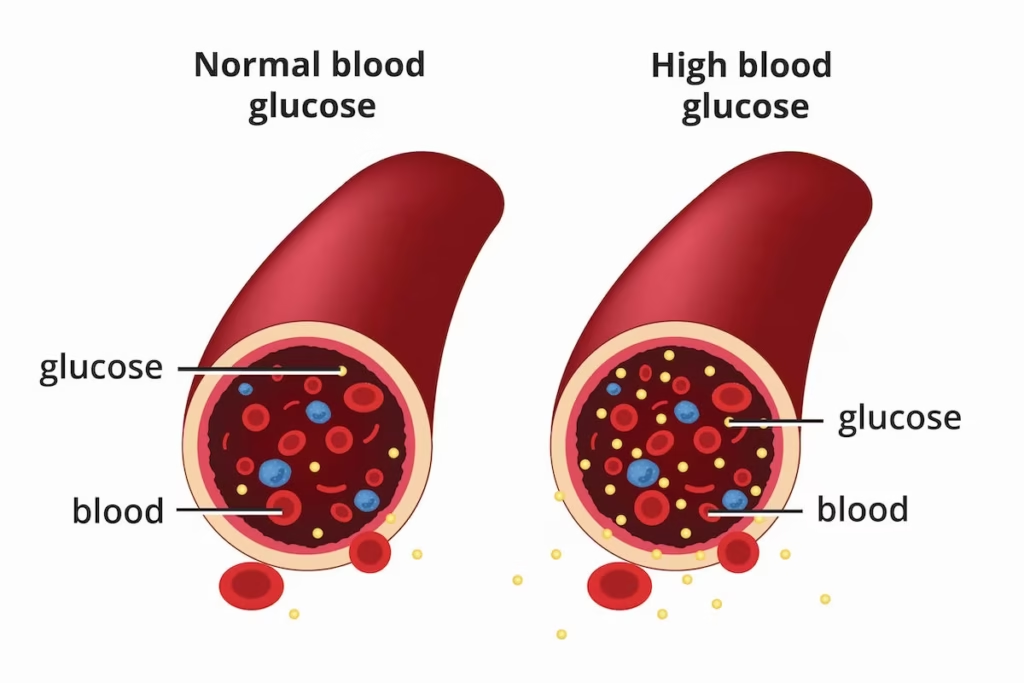
Before diving into the myths, let’s establish a clear understanding of what diabetes is. Diabetes is a chronic metabolic disorder characterized by elevated blood glucose levels. There are several types of diabetes:
- Type 1 diabetes: An autoimmune condition where the immune system attacks and destroys insulin-producing cells in the pancreas.
More information: Type 1 Diabetes Treatment in Singapore: Causes, Risks
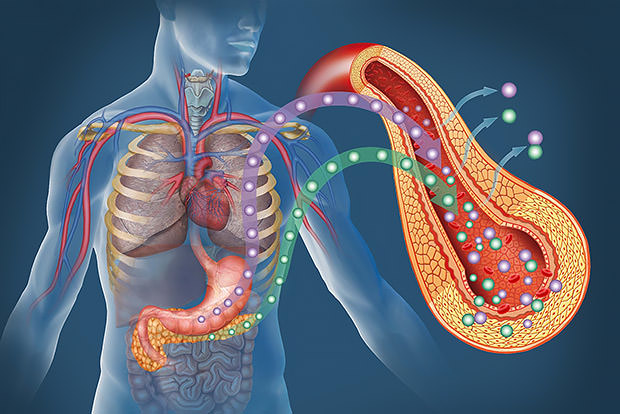
- Type 2 diabetes: A condition where the body either doesn’t produce enough insulin or becomes resistant to its effects.
More information: Type 2 Diabetes Treatment in Singapore: Symptoms, Risks
- Gestational diabetes: Occurs during pregnancy when the body cannot produce enough insulin to meet increased needs.

Now, let’s address the common misconceptions surrounding diabetes.
Read more: Gestational Diabetes Treatment in Singapore
Myths About Diabetes Causes
Myth: If no one in my family has diabetes, I won’t get it
Fact: While family history is a risk factor for both type 1 and type 2 diabetes, many people with diabetes have no close family members with the condition. Various factors can increase your risk for type 2 diabetes, including:
- Being overweight or obese
- Having prediabetes
- Polycystic ovary disease
- Previous gestational diabetes
- Being of Hispanic/Latino, African American, American Indian, Alaska Native, Pacific Islander, or Asian American descent
- Being over age 45
You can help reduce your risk by maintaining a healthy weight, exercising regularly, and eating a nutritious diet.
Myth: Being overweight always leads to diabetes
Fact: While excess weight increases your risk for type 2 diabetes, many people who are overweight or obese never develop the condition.
According to the CDC, approximately 11% of people with type 2 diabetes are neither overweight nor obese.
Additionally, people of normal weight can develop type 2 diabetes due to other risk factors.
Read more: Diabetes Treatment in Singapore: Types, Risks
Myth: Eating sugar causes diabetes
Fact: Simply eating sugar does not directly cause diabetes. This common misconception likely stems from the fact that diabetes involves high blood sugar levels.
However, the relationship between sugar consumption and diabetes is more complex.
When you eat food, it’s converted into glucose, which your body uses for energy. Insulin helps move glucose from your blood into your cells.
With diabetes, the body either doesn’t produce enough insulin or doesn’t use it effectively, causing glucose to remain in the bloodstream.
The primary concern with consuming excessive sugar and sugary beverages is that they can contribute to weight gain, which is a risk factor for type 2 diabetes.
Research has shown links between regularly drinking sugar-sweetened beverages and increased type 2 diabetes risk, even after controlling for body weight.
Related article: Pituitary Gland Disorders Treatment in Singapore: Symptoms, Causes
Myth: Type 1 diabetes is caused by lifestyle choices
Fact: Type 1 diabetes is an autoimmune disease in which the immune system attacks the insulin-producing cells in the pancreas. It is not caused by diet or lifestyle factors.
Scientists don’t fully understand why some people develop type 1 diabetes, but genetics and environmental triggers may play a role.
Myths About Diabetes Diet and Food
Myth: People with diabetes need to follow a special “diabetic diet”
Fact: There is no one-size-fits-all “diabetic diet.” The American Diabetes Association no longer recommends specific amounts of carbohydrates, fat, or protein.
Instead, they suggest people with diabetes follow the same healthy eating patterns recommended for everyone: consuming carbohydrates from vegetables, whole grains, fruits, and legumes, while limiting foods high in saturated fat, sodium, and added sugars.
Working with healthcare providers to develop an individualized meal plan that supports blood glucose management and overall health is the best approach.
You might like: Cushing Syndrome Treatment: Causes, Symptoms
Myth: People with diabetes can never eat sweets or desserts
Fact: People with diabetes can enjoy small amounts of sweets and desserts as part of a balanced meal plan. While sweets contain simple sugars that raise blood glucose more quickly than other foods, they aren’t entirely off-limits. It’s best to:
- Save sweets for special occasions
- Consume them in small portions
- Account for them in your overall carbohydrate intake
- Adjust insulin doses if needed (for those who take insulin)
Myth: People with diabetes should buy special “diabetic” food products
Fact: Products labeled as “diabetic” or “sugar-free” often contain sugar alcohols or other sweeteners that can still affect blood glucose levels. Additionally, these products:
- Are usually more expensive
- May have a laxative effect if consumed in large quantities
- Still contain calories and carbohydrates
- Often have high fat content
Instead of purchasing specialized products, focus on consuming a balanced diet with appropriate portion sizes of regular foods.
Myth: People with diabetes can’t eat fruit
Fact: Fruit is a healthy choice for people with diabetes. While fruits contain natural sugars, they also provide essential fiber, vitamins, and minerals.
Fruit is lower in sugar than cakes, cookies, and candies, and its fiber content helps slow glucose absorption.
All fruits, including grapes, mangoes, and bananas, can be part of a healthy eating plan for people with diabetes.
The key is portion control and accounting for the carbohydrate content of the fruit in your meal plan.
Myth: People with diabetes must avoid all carbohydrates
Fact: Carbohydrates are not forbidden for people with diabetes. In fact, carbohydrates from whole grains, fruits, vegetables, and legumes provide essential nutrients, fiber, and energy.
The quality and quantity of carbohydrates matter more than eliminating them completely.
Working with a registered dietitian can help determine the right balance of carbohydrates for your individual needs.
Myths About Diabetes Treatment and Management
Myth: Taking insulin means you’re not managing diabetes well
Fact: For people with type 1 diabetes, insulin is a life-saving medication because their bodies cannot produce it.
For those with type 2 diabetes, the need for insulin doesn’t indicate personal failure.
Type 2 diabetes is progressive, meaning the pancreas may gradually produce less insulin over time.
Many people with type 2 diabetes will eventually need insulin to maintain healthy blood glucose levels, regardless of how well they follow their diet and exercise recommendations.
Myth: Once your blood sugar is under control, you can stop taking diabetes medication
Fact: While some people with type 2 diabetes may be able to manage their condition through lifestyle changes alone, diabetes is typically a progressive disease.
Over time, even with optimal diet and exercise habits, many people will need medication to maintain target blood glucose levels. Never stop taking prescribed medications without consulting your healthcare provider.
Myth: Natural or herbal products can cure diabetes
Fact: Currently, there is no cure for diabetes. Claims that certain herbs, supplements, or “natural” products can cure diabetes are false.
Some supplements may interact with diabetes medications and potentially cause harm by lowering blood glucose to dangerous levels or creating other complications.
Always consult with your healthcare provider before trying any complementary or alternative treatments.
Myths About Diabetes Complications and Limitations
Myth: Diabetes always leads to serious complications like blindness and amputation
Fact: While diabetes can lead to serious complications, including vision problems and lower extremity amputations, these outcomes are not inevitable. With proper management of blood glucose, blood pressure, and cholesterol, and regular medical check-ups, many people with diabetes live long, healthy lives without developing severe complications.
According to the CDC, approximately 11.7% of adults with diabetes have some level of vision impairment, and lower-extremity amputations occur in around 0.56% of people with diabetes in the U.S.
Myth: Prediabetes always progresses to type 2 diabetes
Fact: Prediabetes indicates higher than normal blood glucose levels that haven’t yet reached the threshold for a diabetes diagnosis.
Having prediabetes doesn’t mean you’ll definitely develop type 2 diabetes. Lifestyle modifications, including weight loss of 5-7% (if overweight), 150 minutes of weekly physical activity, and healthy eating, can prevent or delay the progression to type 2 diabetes.
Some people with prediabetes may even return their blood glucose levels to the normal range.
Myth: People with diabetes are more likely to get sick with colds and other illnesses
Fact: Having diabetes doesn’t make you more susceptible to catching colds or other illnesses.
However, infections can make diabetes more difficult to manage, as illness tends to raise blood glucose levels.
Additionally, people with diabetes may experience more severe complications from illnesses like the flu. This is why annual flu vaccination is recommended for people with diabetes.
Myths About Diabetes and Lifestyle
Myth: People with diabetes can’t exercise or play sports
Fact: Physical activity is highly beneficial and recommended for people with diabetes. Regular exercise:
- Improves insulin sensitivity
- Helps lower blood glucose levels
- Can reduce the A1C value (a measure of average blood glucose over 2-3 months)
- Supports weight management
- Improves cardiovascular health
Many successful athletes, including Olympic gold medalist Sir Steve Redgrave, have diabetes.
The key is working with your healthcare team to understand how exercise affects your blood glucose and how to manage insulin and food intake around physical activity.
Myth: It’s not safe to drive if you have diabetes
Fact: Most people with well-managed diabetes can safely drive. Having diabetes doesn’t automatically disqualify someone from driving.
However, severe hypoglycemia (low blood sugar) can impair cognitive function and reaction time. People who take insulin or medications that can cause hypoglycemia should:
- Check blood glucose before driving
- Keep fast-acting carbohydrates in the vehicle
- Take breaks during long drives to check blood glucose
- Wear medical identification
Myth: People with diabetes can’t travel
Fact: People with diabetes can and do travel worldwide. Successful travel requires planning to ensure you have:
- Adequate supplies of medication and testing equipment
- A plan for adjusting medication timing across time zones
- Proper storage of insulin and other temperature-sensitive medications
- Knowledge of how to adjust for changes in activity level and food intake
- Travel insurance that covers diabetes-related emergencies
Myth: People with diabetes can’t drink alcohol
Fact: Moderate alcohol consumption is generally acceptable for people with well-controlled diabetes who don’t have other contraindications for alcohol use. However, alcohol can affect blood glucose in complex ways:
- It can initially raise blood glucose
- Later, it can cause hypoglycemia, especially when consumed on an empty stomach
- This hypoglycemic effect can last up to 24 hours
Guidelines typically recommend:
- Limiting alcohol to no more than 14 units per week
- Including alcohol-free days
- Never drinking on an empty stomach
- Being aware that alcohol can add empty calories if weight management is a goal
- Understanding how alcohol interacts with diabetes medications
Myth: You can catch diabetes from someone else
Fact: Diabetes is not contagious. You cannot “catch” diabetes from being around someone who has it. Neither type 1 nor type 2 diabetes is caused by infectious agents. They are metabolic disorders involving insulin production or insulin effectiveness.
Myth: Having diabetes means you can’t do certain jobs
Fact: People with diabetes can perform most jobs successfully with appropriate management of their condition.
While some blanket restrictions still exist in certain fields (like the military in some countries), discrimination against people with diabetes is illegal in many places, including under the Equality Act 2010 in the UK and the Americans with Disabilities Act in the US.
Modern diabetes management tools, including continuous glucose monitors and insulin pumps, have made it easier for people with diabetes to maintain stable blood glucose levels in various workplace environments.
Living Well with Diabetes
With proper education, support, and medical care, people with diabetes can lead full, active lives. Key components of successful diabetes management include:
- Education: Understanding your specific type of diabetes and how it affects your body
- Monitoring: Regular checking of blood glucose levels
- Medication: Taking prescribed medications as directed
- Nutrition: Following a balanced eating plan
- Physical activity: Engaging in regular exercise
- Regular check-ups: Seeing healthcare providers for monitoring of eyes, kidneys, feet, and cardiovascular health
- Support: Connecting with healthcare providers, family, friends, and support groups
FAQs About Diabetes
What is diabetes?
Diabetes is a chronic disease characterized by elevated blood glucose (sugar) levels resulting from the body’s inability to produce sufficient insulin or effectively use the insulin it produces.
Insulin is a hormone that regulates blood glucose, allowing it to enter cells for energy.
Without proper insulin function, glucose remains in the bloodstream, leading to high blood sugar levels and potential health complications over time.
What’s the difference between type 1 and type 2 diabetes?
Type 1 diabetes is an autoimmune condition where the body’s immune system mistakenly attacks and destroys insulin-producing beta cells in the pancreas.
It typically develops in childhood or adolescence, though it can occur at any age. People with type 1 diabetes must take insulin daily to survive.
Type 2 diabetes occurs when cells become resistant to insulin’s effects and the pancreas cannot produce enough insulin to overcome this resistance. It develops gradually, usually in adults, though increasingly in children as well.
Type 2 diabetes is often associated with lifestyle factors and can sometimes be managed with diet, exercise, and oral medications, though insulin may eventually be needed.
What causes diabetes?
Type 1 diabetes is believed to result from a combination of genetic susceptibility and environmental triggers, though the exact cause remains unknown. The immune system attacks and destroys insulin-producing cells in the pancreas.
Type 2 diabetes develops due to a combination of genetic and lifestyle factors. Risk factors include family history, excess weight (especially around the abdomen), physical inactivity, poor diet, age, and certain ethnicities.
The pancreas initially produces more insulin to compensate for insulin resistance, but over time it cannot keep up, resulting in elevated blood glucose levels.
Can diabetes be cured?
Currently, there is no cure for diabetes. Type 1 diabetes requires lifelong insulin therapy.
Type 2 diabetes can sometimes be managed through lifestyle changes and medication, and some people may achieve remission (blood glucose levels in the normal range without medication), particularly after significant weight loss.
However, this is not considered a cure as the underlying condition remains, and blood glucose management must continue.
How does diabetes affect daily life?
Living with diabetes involves daily management tasks that become part of your routine.
These include monitoring blood glucose levels, taking medications or insulin as prescribed, making informed food choices, planning physical activity, and being prepared for potential low or high blood glucose episodes.
While these tasks require attention and consistency, most people with well-managed diabetes lead full, active lives with few restrictions.
Modern management tools and medications have greatly improved quality of life for people with diabetes, making it easier to maintain good health while pursuing personal and professional goals.
Can I eat normally with diabetes?
People with diabetes can eat the same foods as everyone else, People with diabetes can eat the same foods as everyone else, though portion control and balanced meal planning are important considerations.
Rather than following a restrictive “diabetic diet,” nutrition recommendations focus on making healthy choices that benefit overall health.
This approach emphasizes non-starchy vegetables, choosing whole grains over refined grains, including lean proteins, limiting added sugars, processed foods, and saturated fats, and being mindful of carbohydrate intake and distribution throughout the day.
Working with a registered dietitian can help develop an individualized eating plan that fits your preferences, cultural background, and lifestyle while supporting your diabetes management goals.
Is gestational diabetes permanent?
Gestational diabetes typically resolves after childbirth when pregnancy hormones that contribute to insulin resistance are no longer present. However, women who have had gestational diabetes have:
- A 50% higher risk of developing type 2 diabetes within 5-10 years
- A higher risk of gestational diabetes in future pregnancies
Lifestyle changes, including healthy eating, physical activity, and maintaining a healthy weight, can significantly reduce these risks.
How often should people with diabetes check their blood sugar?
The frequency of blood glucose monitoring varies based on:
- The type of diabetes
- The treatment plan (especially if using insulin)
- How well the diabetes is controlled
- Whether the person is ill or experiencing lifestyle changes
Some people may need to check several times daily, while others may check less frequently.
Continuous glucose monitoring (CGM) systems have made it easier to track glucose levels throughout the day without finger sticks. Your healthcare provider can recommend the appropriate monitoring schedule for your situation.
Can children get diabetes?
Yes, both type 1 and type 2 diabetes can affect children. Type 1 diabetes has traditionally been more common in children and was previously called “juvenile diabetes.”
However, with increasing childhood obesity rates, type 2 diabetes in children and adolescents has become more prevalent.
Children with diabetes require specialized care to ensure proper growth and development while managing their condition.
What should I do in a diabetic emergency?
Recognizing and responding to diabetic emergencies is important:
For Severe Hypoglycemia (Low Blood Sugar)
If the person is conscious and able to swallow, provide fifteen to twenty grams of fast-acting carbohydrate such as juice or glucose tablets.
Recheck blood glucose after fifteen minutes, and if it’s still low, repeat the treatment. If the person is unconscious or unable to swallow, they need emergency medical assistance immediately.
Glucagon can be administered if available and you’re trained in its use.
For Hyperglycemia (High Blood Sugar) Emergencies
Watch for symptoms of diabetic ketoacidosis (DKA) or hyperosmolar hyperglycemic state (HHS), which include excessive thirst, frequent urination, nausea, vomiting, abdominal pain, fruity breath odor, confusion, or unusual fatigue.
These conditions require immediate medical attention and should not be managed at home.
How can I support a loved one with diabetes?
Supporting someone with diabetes involves understanding and patience. Learn about diabetes to understand what they’re experiencing and encourage healthy lifestyle choices for the whole family.
Be sensitive about food-related comments or pressure, and take time to know the signs of high and low blood sugar.
Ask how you can help rather than trying to control their management, and acknowledge that diabetes management can be challenging while providing emotional support.
Join them for medical appointments if they want company, but recognize that diabetes management is ultimately their responsibility. Your role is to support, not to manage their condition for them.
Can stress affect diabetes?
Yes, stress can affect blood glucose levels in several significant ways. Stress hormones like cortisol and adrenaline can raise blood glucose levels, making diabetes management more difficult.
Stress may also lead to changes in eating habits, physical activity levels, or medication adherence, all of which can impact blood sugar control.
Sleep disruption from stress can affect glucose metabolism, creating additional challenges for maintaining stable blood sugar levels.
Stress management techniques like deep breathing, meditation, physical activity, adequate sleep, and social support can help minimize the impact of stress on diabetes management and overall health.
Are diabetes complications inevitable?
No, diabetes complications are not inevitable. Research shows that maintaining good blood glucose control, along with managing blood pressure and cholesterol, significantly reduces the risk of complications.
Regular screenings for early signs of complications allow for prompt intervention. Many people with diabetes live long, healthy lives without developing serious complications.
Conclusion
Understanding the facts about diabetes is crucial for effective management and reducing stigma associated with the condition.
By dispelling these common myths, we hope to promote a more accurate understanding of diabetes and empower those living with the condition to make informed decisions about their health.
Remember that diabetes management is highly individualized, and what works for one person may not work for another.
Always consult with healthcare providers for personalized advice about managing diabetes.
Explore everyday essentials and compare current offers on Shopee.
Browse Shopee