
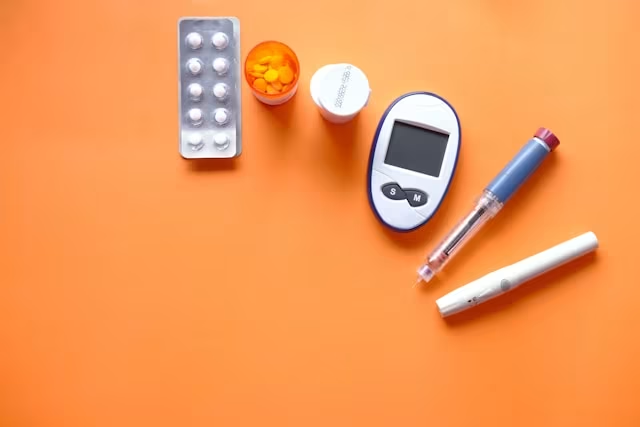
Type 2 diabetes mellitus (T2DM) represents a significant health challenge in Singapore, affecting approximately 8.5% of adults aged 18-74 years according to the National Population Health Survey 2022.
This rate marks a slight improvement from previous years but remains a major public health concern, especially among older adults where prevalence can reach up to 24.2% in the 70-74 age group.
General shopping ideas, independent of this article’s advice.
Swipe to compare products → Biofinest Effervescent Vitamin C 1000mg D3 Zinc Collagen Multivitamin Calcium Magnesium Zinc Tablets Drink Sugar FreeFrom S$5.95Biofinest Probiotic 50 Billion CFU Enzyme Supplement 12 + 3 Prebiotics – Diet Slimming Eczema Detox Men Women (60 caps)From S$22.40Estalife Magnesium Glycinate 1000MG | Heart, Bone, Muscle, Sleep, Mood Health | 60 Veg CapsFrom S$13.99
Prices may vary by option. Check the final price and delivery on Shopee.
This chronic metabolic disorder requires comprehensive management to prevent complications and maintain quality of life.
Singapore’s healthcare system offers various treatment options, support programs, and financial assistance schemes to help individuals with diabetes effectively manage their condition.
Related article: Which Endocrinologist in Singapore Should You Consider?
What is Type 2 Diabetes?
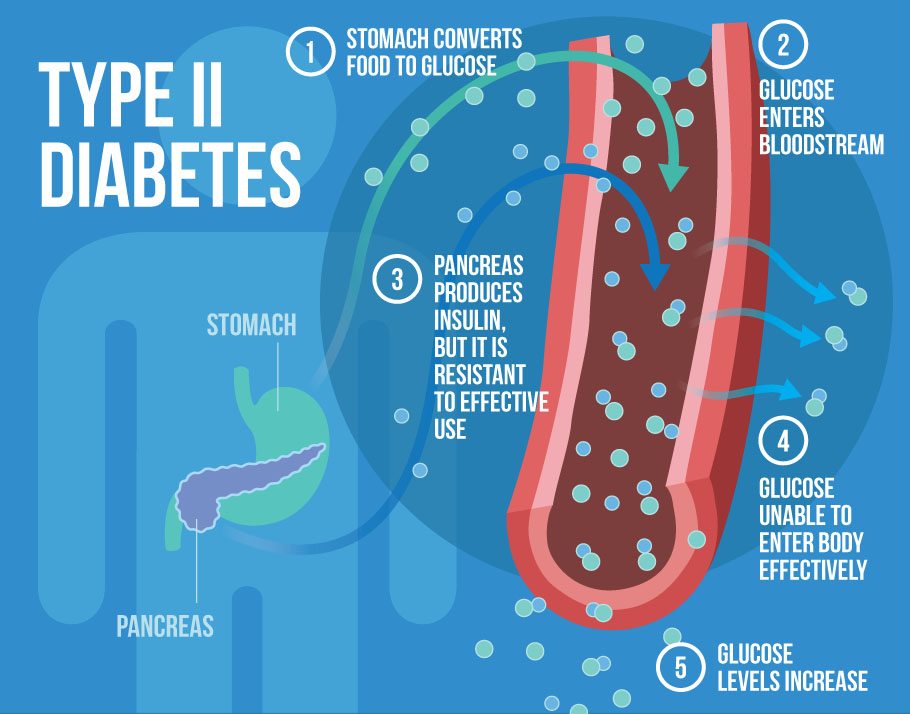
Type 2 diabetes is characterized by elevated glucose (sugar) levels in the bloodstream.
In normal physiology, insulin—a hormone produced by the pancreas—enables glucose to enter cells where it serves as an energy source.
For people with type 2 diabetes, two fundamental problems occur:
- Insulin resistance: Body cells don’t respond effectively to insulin, requiring more insulin than usual to facilitate glucose absorption
- Insufficient insulin production: The pancreas cannot produce enough insulin to overcome this resistance
As a result, glucose accumulates in the bloodstream instead of entering cells, leading to hyperglycemia (high blood sugar) and associated complications if not properly managed.
Unlike type 1 diabetes (where insulin production is completely absent and typically begins in childhood), type 2 diabetes usually develops in adulthood and is strongly influenced by both genetic and lifestyle factors.
Read more: Type 1 Diabetes Treatment in Singapore: Causes, Risks
Symptoms of Type 2 Diabetes
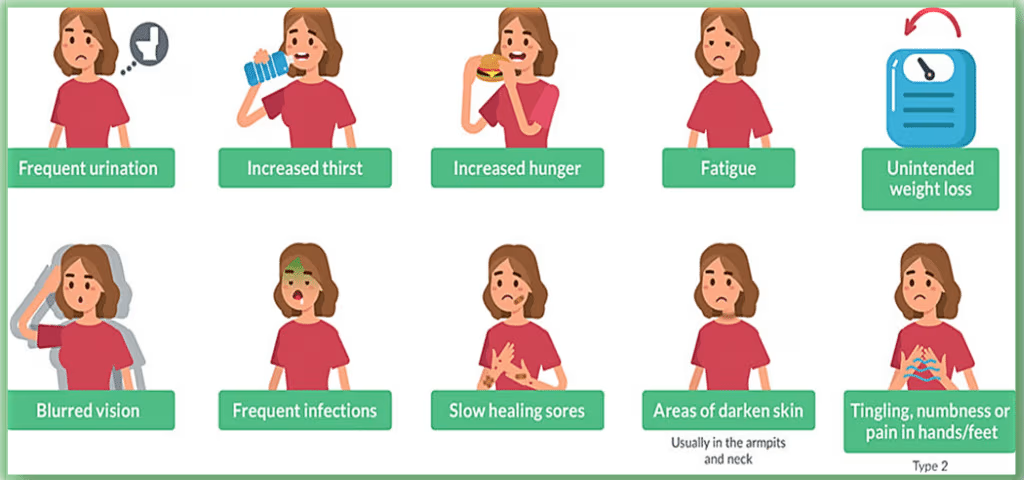
Many individuals with type 2 diabetes may experience minimal or no symptoms initially, which partly explains why many cases remain undiagnosed.
When symptoms do appear, they typically develop gradually and may present in various ways.
Excessive thirst (polydipsia) persists despite drinking plenty of water, often accompanied by frequent urination (polyuria), particularly at night.
Patients commonly experience persistent fatigue and weakness that interferes with daily activities.
Unexplained weight loss may occur despite normal or increased appetite, which can be particularly concerning.
Blurred vision or other visual disturbances develop as blood sugar levels affect the lens of the eye.
Slow-healing wounds, sores, or frequent infections become problematic as high blood sugar impairs the immune system and healing processes.
Tingling, numbness, or burning sensations in hands and feet (neuropathy) indicate early nerve damage from prolonged elevated glucose levels.
Many patients also experience itchy skin, especially around the genital area, along with recurring skin, gum, or bladder infections due to the body’s reduced ability to fight off pathogens.
Without proper management, type 2 diabetes can lead to serious long-term complications affecting multiple body systems.
Eye problems (diabetic retinopathy) can potentially progress to blindness if left untreated.
Kidney disease (diabetic nephropathy) may develop and potentially lead to kidney failure requiring dialysis or transplantation.
Nerve damage (diabetic neuropathy) causes pain and numbness that can potentially lead to foot ulcers and amputations due to reduced sensation and poor healing.
Cardiovascular problems become significantly more likely, including heart attacks, stroke, and peripheral artery disease.
Patients also face increased susceptibility to infections as their immune systems become compromised.
Additionally, cognitive impairment and increased risk of dementia, including Alzheimer’s disease, represent serious long-term neurological consequences.
Read more: Diabetes Treatment in Singapore: Types, Risks
Risk Factors for Type 2 Diabetes in Singapore
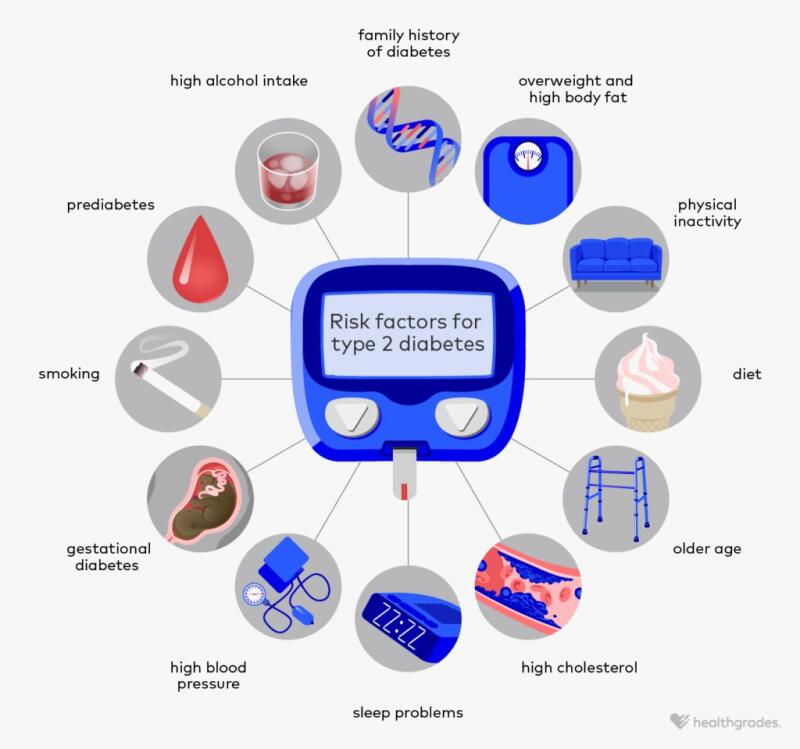
Several factors increase vulnerability to developing type 2 diabetes, which can be categorized into those that cannot be changed and those that can be modified through lifestyle interventions.
Non-modifiable risk factors:
Certain risk factors are determined by genetics, demographics, and medical history.
Family history plays a significant role, particularly having parents or siblings with type 2 diabetes, which increases genetic predisposition.
Age becomes increasingly important as risk increases with age, particularly after 40 years when metabolic changes make diabetes more likely.
Ethnicity presents varying levels of risk in Singapore’s diverse population, with Indians having the highest risk, followed by Malays and Chinese populations.
History of gestational diabetes or delivering babies weighing over 4kg indicates previous glucose intolerance that increases future diabetes risk.
Polycystic ovarian syndrome (PCOS) creates hormonal imbalances that affect insulin sensitivity and glucose metabolism.
Related article: Gestational Diabetes Treatment in Singapore
Modifiable risk factors:
Many risk factors can be addressed through lifestyle changes and medical management.
Weight status becomes critical when individuals are overweight or obese, specifically with a BMI ≥23kg/m² for Asian populations, as excess weight increases insulin resistance.
Physical inactivity contributes significantly to diabetes risk, as a sedentary lifestyle with minimal exercise reduces the body’s ability to use glucose effectively.
Diet plays a crucial role, particularly high consumption of processed foods, refined carbohydrates, and sugary beverages that cause frequent blood sugar spikes.
Hypertension with blood pressure above 140/90mmHg often coexists with insulin resistance and diabetes.
Dyslipidemia, characterized by abnormal cholesterol or lipid levels, frequently accompanies metabolic dysfunction.
Smoking directly increases insulin resistance and impairs circulation.
Excessive alcohol consumption can damage the pancreas and impair insulin production over time.
Prediabetes, including impaired glucose tolerance or impaired fasting glucose, represents a critical warning stage before full diabetes develops.
Singapore’s urban lifestyle, with high stress levels, increasingly sedentary habits, and easy access to calorie-dense foods, contributes to the rising prevalence of these risk factors in the population.
This might help: Diabetes Myths Debunked: Separating Fact from Fiction
Diagnosing Type 2 Diabetes in Singapore
Healthcare providers in Singapore diagnose diabetes through several blood tests:
1. Fasting Blood Glucose (FBG) Test
- Requires at least 8 hours of fasting
- Normal: Less than 6.0 mmol/L
- Prediabetes: 6.1-6.9 mmol/L
- Diabetes: 7.0 mmol/L or higher
2. Oral Glucose Tolerance Test (OGTT)
- Fasting blood sample is taken
- Patient drinks a standardized glucose solution (75g)
- Second blood sample taken after two hours
- Normal: Less than 7.7 mmol/L
- Prediabetes: 7.8-11.0 mmol/L
- Diabetes: 11.1 mmol/L or higher
You might like: Pituitary Gland Disorders Treatment in Singapore: Symptoms, Causes
3. Random Blood Glucose Test
- Blood sample taken regardless of when you last ate
- Diabetes suggested when: 11.1 mmol/L or higher (with symptoms)
4. HbA1c Test (Glycated Hemoglobin)
- Reflects average blood glucose levels over approximately three months
- Does not require fasting
- Normal: Below 6.0%
- Prediabetes: 6.0-6.4%
- Diabetes: 6.5% or higher
For symptomatic individuals, one abnormal test may be sufficient for diagnosis. Those without symptoms typically require abnormal results on two separate occasions to confirm diabetes.
Related article: Cushing Syndrome Treatment: Causes, Symptoms
In Singapore, diabetes screening is recommended every three years for individuals:
- Aged 40 years and above
- With a family history of diabetes
- With previous gestational diabetes
- With other risk factors for diabetes
Comprehensive Management of Type 2 Diabetes in Singapore
The approach to managing type 2 diabetes involves multiple strategies, typically beginning with lifestyle modifications and advancing to medications when necessary.
Lifestyle Modifications
1. Nutritional Management
Dietary control forms the foundation of diabetes management, and Singapore’s Health Promotion Board provides specific recommendations for optimal nutrition.
Following the “My Healthy Plate” guide involves structuring meals with 1/4 plate proteins, 1/4 plate whole grains, and 1/2 plate fruits and vegetables to ensure balanced nutrition.
Choosing carbohydrates with low glycemic index (GI) helps minimize blood sugar spikes by selecting foods that are absorbed more slowly.
Increasing fiber intake through vegetables, fruits, legumes, and whole grains improves glucose control and promotes satiety.
Consuming heart-healthy fish at least twice weekly, such as salmon, mackerel, or tuna, provides beneficial omega-3 fatty acids.
Limiting saturated and trans fats while opting instead for healthy fats from nuts, avocados, and olive oil supports cardiovascular health.
Reducing sodium intake helps manage blood pressure, which is often elevated in people with diabetes. Moderating portion sizes supports maintaining a healthy weight and prevents post-meal glucose spikes.
Limiting sugary beverages and processed foods high in added sugars prevents rapid blood glucose elevation.
Spacing meals evenly throughout the day helps maintain steady blood sugar levels and prevents extreme fluctuations.
2. Physical Activity
Regular exercise improves insulin sensitivity and offers numerous health benefits for diabetes management.
Aiming for at least 150 minutes of moderate-intensity aerobic activity weekly through activities like brisk walking, swimming, or cycling provides cardiovascular benefits and glucose control.
Incorporating muscle-strengthening activities at least twice weekly helps build lean muscle mass that improves glucose uptake.
Including flexibility exercises maintains joint mobility and overall functional fitness.
For those previously inactive, starting gradually and increasing intensity over time prevents injury and promotes long-term adherence.
Considering community exercise programs like Health Promotion Board’s free fitness classes provides accessible opportunities for regular activity.
3. Weight Management
For overweight or obese individuals, achieving even modest weight loss can significantly improve blood glucose control.
Setting realistic, gradual weight loss goals promotes sustainable changes rather than rapid, unsustainable reductions.
Aiming for a BMI less than 23 kg/m² specifically for Asian populations addresses the lower threshold for health risks in this demographic.
Combining calorie reduction with increased physical activity creates the caloric deficit necessary for weight loss while preserving muscle mass.
Consulting with dietitians available through polyclinics or hospitals provides professional guidance tailored to individual needs and cultural food preferences.
4. Smoking Cessation
Smoking increases insulin resistance and dramatically elevates the risk of diabetes complications throughout the body.
Accessing smoking cessation programs through the Health Promotion Board provides structured support for quitting.
5. Stress Management
Stress hormones can significantly elevate blood glucose levels, making stress management an important component of diabetes care.
Practicing relaxation techniques such as deep breathing, meditation, or yoga helps activate the body’s relaxation response and reduce stress hormone production.
Ensuring adequate sleep of 7-8 hours nightly allows the body to regulate hormones properly and maintain glucose balance.
Considering counseling or support groups provides emotional support and practical strategies for managing the psychological aspects of living with diabetes.
Medication Options for Type 2 Diabetes
When lifestyle changes alone cannot achieve target blood glucose levels, medications become necessary. Singapore offers various pharmaceutical options, with choices based on individual factors including:
- Severity of hyperglycemia
- Risk of hypoglycemia
- Impact on weight
- Side effects
- Comorbidities (other health conditions)
- Cost and subsidy eligibility
- Patient preferences and likely adherence
Oral Medications
1. Metformin (Biguanides)
Metformin is available in Singapore under the brand names Glucophage and Glucophage XR.
This medication works by decreasing glucose production by the liver while simultaneously improving insulin sensitivity throughout the body.
Metformin offers several significant advantages as it serves as the first-line medication for type 2 diabetes, remains weight-neutral or may even promote modest weight loss, carries a low risk of hypoglycemia, and provides these benefits at a low cost.
The medication should be administered with or after meals to reduce potential gastrointestinal effects.
Common side effects include nausea, bloating, diarrhea, and a metallic taste, though these symptoms are usually temporary and improve with continued use.
Special considerations for metformin include the requirement for regular renal function monitoring, as the medication is contraindicated in patients with severe kidney disease.
2. Sulfonylureas
Sulfonylureas include several medications available in Singapore: Glipizide, Gliclazide (Diamicron), Gliclazide MR (Diamicron MR), and Glimepiride (Amaryl).
These medications work by stimulating pancreatic insulin secretion, effectively increasing the amount of insulin released by the body’s own beta cells.
The advantages of sulfonylureas include their proven effectiveness in lowering glucose levels, extensive clinical experience spanning decades of use, and low cost making them accessible to many patients.
These medications should be administered 30 minutes before meals to optimize their glucose-lowering effects.
However, side effects include a significant risk of hypoglycemia and potential weight gain over time.
Special considerations include the recommendation against use in elderly patients due to their increased vulnerability to hypoglycemia and its potentially serious consequences.
3. SGLT2 Inhibitors
SGLT2 inhibitors represent a newer class of diabetes medications and include Empagliflozin (Jardiance), Dapagliflozin (Forxiga), and Canagliflozin (Invokana).
These medications work by preventing glucose reabsorption in the kidneys, which increases urinary glucose excretion and effectively lowers blood sugar levels.
The advantages of SGLT2 inhibitors are substantial and include promoting weight loss, reducing blood pressure, providing cardiovascular benefits, and reducing heart failure hospitalizations.
These medications are typically administered once daily in the morning for optimal effectiveness.
Side effects may include genital mycotic infections, urinary tract infections, and volume depletion due to increased urination.
Special considerations highlight that this newer class of medications has demonstrated proven cardiovascular and renal benefits in clinical trials, making them particularly valuable for patients with additional cardiovascular risk factors.
4. DPP-4 Inhibitors
DPP-4 inhibitors include Linagliptin (Trajenta), Sitagliptin (Januvia), Vildagliptin (Galvus), and Saxagliptin (Onglyza).
These medications work by enhancing the incretin effect, which increases insulin secretion when glucose levels are elevated and reduces glucagon production when it’s not needed.
The advantages of DPP-4 inhibitors include their weight-neutral effects, low risk of hypoglycemia, and excellent overall tolerability profile.
These medications should be administered with meals, with dosing frequency varying from once to twice daily depending on the specific medication chosen.
Side effects are generally minimal and may include upper respiratory tract infections and headache, though the class is generally very well-tolerated.
Special considerations include recognition that while safe and well-tolerated, DPP-4 inhibitors provide a more modest glucose-lowering effect compared to other medication classes.
5. Alpha-glucosidase Inhibitors
Alpha-glucosidase inhibitors are represented primarily by Acarbose (Glucobay) in Singapore.
This medication works by delaying carbohydrate absorption through inhibiting digestive enzymes that break down complex carbohydrates.
The advantages include specifically targeting postprandial glucose spikes that occur after meals, maintaining weight neutrality, and carrying a low risk of hypoglycemia.
The medication must be administered with the first mouthful of food at each main meal to be effective.
Side effects are primarily gastrointestinal and include flatulence, diarrhea, and abdominal discomfort, which can be socially inconvenient for some patients.
Special considerations include the requirement for multiple daily dosing and recognition that the glucose-lowering effect is modest compared to other available options.
6. Thiazolidinediones (TZDs)
Thiazolidinediones include Pioglitazone (Actos) and Rosiglitazone (Avandia), though the latter is less commonly used.
These medications work by improving insulin sensitivity in peripheral tissues, making the body’s cells more responsive to available insulin.
The medications can be administered with or without food, providing flexibility in dosing schedules.
However, side effects include significant weight gain, fluid retention that can be problematic for some patients, and an increased risk of fractures, particularly in postmenopausal women.
Special considerations include absolute contraindication in patients with heart failure due to the risk of worsening fluid retention, and the requirement for regular liver function monitoring to detect rare but serious hepatic complications.
7. Meglitinides
Meglitinides are represented by Repaglinide (Novonorm) in Singapore’s market.
This medication works by stimulating insulin release from the pancreas, similar to sulfonylureas but with a shorter duration of action.
The advantages include flexibility for patients with varying meal schedules and specific targeting of postprandial glucose elevation.
The medication should be administered before meals, with the convenience that doses can be skipped if a meal is skipped, providing flexibility for irregular eating patterns.
Side effects include hypoglycemia risk and potential weight gain, similar to sulfonylureas.
Special considerations include the requirement for multiple daily dosing, which may affect patient compliance compared to once-daily alternatives.
Monitoring and Follow-up
Regular monitoring helps assess treatment effectiveness and detect complications early:
Self-monitoring of Blood Glucose (SMBG)
- Frequency varies based on medication regimen and stability
- Typically more frequent for insulin users
- Keep records to identify patterns and share with healthcare providers
- Learn to adjust lifestyle factors based on readings
Regular Medical Check-ups
In Singapore, diabetes follow-up typically includes:
- HbA1c testing every 3-6 months
- Annual comprehensive eye examination
- Annual kidney function assessment
- Regular foot examinations
- Blood pressure and lipid profile monitoring
- Adjustment of treatment plan as needed
Preventing and Managing Diabetes Complications
Comprehensive diabetes care aims to prevent or delay complications:
Cardiovascular Complications
Managing cardiovascular complications requires comprehensive care focusing on multiple risk factors.
Blood pressure control is essential, with targets typically set below 140/90 mmHg. Lipid management often involves the use of statins to reduce cholesterol levels, while low-dose aspirin is recommended for those with established cardiovascular disease.
Smoking cessation is crucial for reducing cardiovascular risk and improving overall health outcomes.
Eye Complications (Retinopathy)
Prevention and management of eye complications require regular monitoring and timely intervention.
Annual dilated eye examinations are essential for early detection of retinopathy, allowing for prompt intervention when problems arise.
Tight glucose and blood pressure control remain fundamental strategies for preventing and slowing the progression of diabetic eye disease.
Kidney Complications (Nephropathy)
Kidney health requires ongoing surveillance and targeted treatment approaches.
Regular screening for microalbuminuria helps detect early kidney damage, while ACE inhibitors or ARBs are recommended for those with albuminuria.
Blood pressure control remains critical for kidney protection, and protein restriction may be recommended when appropriate based on individual patient needs.
Neuropathy and Foot Complications
Managing neuropathy and preventing foot complications involves comprehensive care and patient education.
Regular foot examinations and proper foot care are essential preventive measures, along with wearing appropriate footwear to protect the feet.
Prompt treatment of any injuries or infections is crucial to prevent serious complications, while pain management strategies help address neuropathic symptoms and improve quality of life.
Psychological Well-being
Mental health is an important aspect of diabetes management that requires attention and support.
Screening for diabetes-related distress and depression helps identify individuals who need additional support.
Referral to mental health services should be made when needed, while support groups and counseling can provide valuable resources for coping with the challenges of living with diabetes.
Preventing Type 2 Diabetes
For individuals at risk, preventive measures can significantly reduce the likelihood of developing diabetes through lifestyle modifications and regular monitoring.
Achieve and Maintain Healthy Weight
Weight management plays a crucial role in diabetes prevention. Individuals who are overweight should aim for gradual weight loss of 5-10% of their body weight, with a target BMI below 23 kg/m² for Asian populations to optimize health outcomes.
Regular Physical Activity
Physical activity is fundamental to diabetes prevention and should include a minimum of 150 minutes of moderate-intensity activity weekly, or 75 minutes of vigorous-intensity activity. Exercise routines should incorporate both aerobic and resistance exercises to maximize health benefits.
Healthy Eating Patterns
Nutrition plays a vital role in preventing diabetes through thoughtful food choices and eating habits. Emphasize whole grains, fruits, vegetables, and lean proteins while reducing refined carbohydrates, processed foods, and sugary beverages.
Practice portion control to maintain appropriate caloric intake, and consider consulting a dietitian for personalized advice tailored to individual needs and preferences.
Manage Other Risk Factors
Comprehensive risk factor management extends beyond diet and exercise to include controlling blood pressure and cholesterol levels.
Avoiding smoking and limiting alcohol consumption are important lifestyle modifications that contribute to overall diabetes prevention efforts.
Regular Screening
Systematic screening is especially important for individuals with risk factors for diabetes. Following recommended screening intervals, typically every three years after age 40, helps ensure early detection.
Those with prediabetes should consider more frequent monitoring to track their progression and adjust prevention strategies accordingly.
Diabetes Prevention Programmes
Singapore offers structured prevention programmes through the Health Promotion Board and various healthcare facilities to support individuals at risk.
These comprehensive programmes typically combine education, exercise guidance, and dietary counseling to provide participants with the tools and knowledge needed to reduce their diabetes risk effectively.
Frequently Asked Questions
What is the difference between type 1 and type 2 diabetes?
Type 1 diabetes is an autoimmune condition where the pancreas produces little or no insulin, typically beginning in childhood or young adulthood. It requires lifelong insulin therapy.
Type 2 diabetes occurs when cells become resistant to insulin and the pancreas gradually loses its ability to produce enough insulin.
It usually develops in adulthood and is strongly influenced by lifestyle factors, though genetics also play a role.
Many people with type 2 diabetes can manage their condition with lifestyle changes and oral medications, though some may eventually require insulin.
Is type 2 diabetes reversible?
While there’s no permanent cure for type 2 diabetes, some people can achieve remission, meaning their blood glucose levels return to normal without medication.
This typically requires significant lifestyle changes, particularly substantial weight loss in overweight individuals.
Studies show that losing approximately 15% of body weight early in the disease course can lead to remission in some cases.
However, even in remission, regular monitoring is essential as the condition can return.
Most healthcare providers prefer to describe this as “remission” rather than “reversal” or “cure” to emphasize the ongoing need for vigilance.
How does diabetes treatment in Singapore compare to other countries?
Singapore offers world-class diabetes care with several distinctive features that set it apart from other countries.
The healthcare system places a strong emphasis on preventive measures through national campaigns and maintains structured subsidy systems that make care more affordable for patients.
Singapore uses a lower threshold for diagnosing overweight and obesity, with a BMI of 23 or higher for Asians compared to 25 or higher internationally.
The healthcare approach integrates Western medicine with Traditional Chinese Medicine options for complementary care, while digital health initiatives include telehealth services and mobile applications for diabetes management.
The nation’s “War on Diabetes” initiative represents a coordinated public health approach to addressing this chronic condition.
Treatment guidelines generally align with international standards from organizations like the American Diabetes Association and European Association for the Study of Diabetes, with specific adaptations made for Asian populations.
How frequently should I check my blood sugar levels?
Testing frequency varies significantly based on your specific treatment regimen and individual circumstances.
For those managing diabetes with lifestyle changes alone, periodic testing as recommended by your healthcare provider is typically sufficient, perhaps one to two times weekly.
Individuals taking oral medications that do not cause hypoglycemia, such as metformin alone, should test one to two times daily at varying times.
Those on medications that can cause hypoglycemia, including sulfonylureas or insulin, require multiple daily tests, including before and after meals. During periods of illness, stress, or when symptoms occur, more frequent monitoring becomes necessary.
Your healthcare provider will recommend a personalized monitoring schedule based on your specific situation, treatment stability, and individual health goals.
What should my target blood glucose levels be?
Target ranges vary between individuals based on factors such as age, duration of diabetes, and other medical conditions.
General targets in Singapore follow international guidelines and include fasting or pre-meal levels of 4-7 mmol/L, post-meal levels less than 10 mmol/L two hours after eating, and HbA1c levels below 7% for most adults. For elderly patients or those with multiple comorbidities, targets may be less stringent to avoid hypoglycemia.
Conversely, younger patients without complications may aim for tighter control. Your healthcare provider will establish personalized targets that are appropriate for your individual circumstances.
Are diabetes medications addictive?
No, diabetes medications are not addictive. This is a common misconception that causes unnecessary concern among patients.
The need to take diabetes medications regularly is not addiction but rather ongoing treatment of a chronic condition, similar to how someone with hypertension needs to take blood pressure medications continuously.
Your body does not develop dependence or cravings for diabetes medications. However, suddenly stopping certain medications can cause blood glucose levels to rise, potentially leading to serious complications.
Always consult your healthcare provider before making any changes to your medication regimen.
Can I drink alcohol if I have diabetes?
Moderate alcohol consumption may be acceptable for some people with diabetes, but requires careful consideration and caution.
It’s important to limit intake to one drink daily for women and two for men, where one drink equals 330ml of beer, 150ml of wine, or 30ml of spirits.
Always consume alcohol with food and never on an empty stomach, as this can affect blood sugar levels. Be aware that alcohol can cause both immediate hypoglycemia and delayed hypoglycemia that can occur up to 24 hours later.
Exercise special caution if you’re taking insulin or medications that increase insulin secretion, such as sulfonylureas or meglitinides.
Some diabetes medications, particularly chlorpropamide, can cause disulfiram-like reactions with alcohol. Choose lower-carbohydrate options such as dry wines or spirits with sugar-free mixers, stay well-hydrated, and monitor blood glucose more frequently when consuming alcohol.
Always wear medical identification indicating you have diabetes, and consult your healthcare provider for personalized advice regarding alcohol consumption.
What should I do if I experience hypoglycemia (low blood sugar)?
For mild to moderate hypoglycemia, when blood glucose falls below 4 mmol/L with symptoms like sweating, shakiness, hunger, or confusion, apply the “15-15 rule.”
Consume 15 grams of fast-acting carbohydrates, such as half a cup of fruit juice, three to four glucose tablets, or one tablespoon of honey. Wait 15 minutes, then recheck your blood glucose level.
If it remains below 4 mmol/L, repeat the treatment. Once glucose normalizes, eat a small snack containing protein and complex carbohydrates if your next meal is more than an hour away.
For severe hypoglycemia involving unconsciousness or inability to swallow, this constitutes a medical emergency.
Caregivers should not attempt to give food or drink to the affected person. In Singapore, call 995 for emergency medical services immediately.
If glucagon is available and someone is trained to administer it, this can be given while waiting for emergency services.
Prevent recurrent episodes by identifying and addressing the underlying cause, such as missed meals, excessive medication, unplanned exercise, or alcohol consumption.
How does diabetes affect pregnancy planning?
Women with diabetes who are planning pregnancy should take several important steps to ensure optimal outcomes.
Achieve optimal glucose control before conception, ideally with HbA1c levels below 6.5% without significant hypoglycemia. Consult with healthcare providers at least three to six months before attempting conception to allow adequate time for preparation.
Receive comprehensive preconception counseling that covers medication adjustments, as some diabetes medications are not recommended during pregnancy, folate supplementation at typically higher doses than for women without diabetes, and the importance of tight glucose control to reduce congenital malformation risk.
Screening for diabetes complications that could be exacerbated by pregnancy is also essential. Plan for more intensive monitoring throughout pregnancy and connect with specialized obstetric services for high-risk pregnancies.
In Singapore, specialized clinics for diabetes in pregnancy are available at major hospitals.
What financial assistance is available for diabetes treatment in Singapore?
Several schemes help make diabetes care more affordable for patients in Singapore. The Chronic Disease Management Programme (CDMP) allows the use of Medisave up to $500 per year per account for outpatient treatment of diabetes.
The Community Health Assist Scheme (CHAS) provides different levels of subsidies, with CHAS Blue offering up to $135 subsidy per visit for diabetes care, CHAS Orange providing up to $80 subsidy per visit, and CHAS Green covering up to $50 subsidy per visit.
The Merdeka Generation receives additional subsidies on top of CHAS benefits, while the Pioneer Generation enjoys the highest tier of subsidies.
The Medication Assistance Fund (MAF) helps eligible patients with the cost of high-priced medications not on the Standard Drug List. MediShield Life provides basic health insurance covering hospitalization costs, while MediFund serves as a safety net for those unable to afford their medical bills despite other subsidies.
The Screen for Life Programme offers heavily subsidized health screening including diabetes tests.
To access these schemes, speak with your healthcare provider or medical social worker who can assess eligibility and provide application assistance.
Can traditional or alternative medicine help with diabetes management?
Many Singaporeans with diabetes explore traditional remedies alongside conventional treatment, but caution is necessary when considering these approaches.
Traditional Chinese Medicine (TCM) includes some herbs that may have glucose-lowering effects, though scientific evidence varies.
In Singapore, registered TCM practitioners often work alongside Western medicine doctors to provide integrated care.
Ayurvedic treatments feature certain herbs like bitter melon, fenugreek, and gymnema that show potential benefits in some studies, but standardization and quality control remain concerns.
Various dietary supplements, including cinnamon, chromium, and alpha-lipoic acid, have been studied with mixed results.
If considering complementary approaches, never discontinue prescribed medications in favor of alternative treatments.
Always inform your healthcare providers about all supplements or traditional medicines you’re taking.
Choose qualified practitioners, and in Singapore, look for TCM practitioners registered with the Traditional Chinese Medicine Practitioners Board.
Be wary of products claiming to “cure” diabetes, and continue conventional monitoring to assess any effects on blood glucose levels.
How can I manage diabetes while fasting during religious observances?
For Muslims observing Ramadan, Hindus observing karva chauth or other fasts, or individuals participating in other religious fasting practices, special considerations apply to diabetes management.
Schedule a pre-fasting medical consultation with your healthcare provider at least one to two months before fasting begins to allow adequate preparation time.
Your doctor will conduct risk stratification to assess if fasting is safe based on your specific situation and may recommend medication adjustments for timing and dosing modifications.
Plan for more frequent blood glucose checking during fasting periods, and understand that religious exemptions exist for health reasons, meaning severe hypoglycemia or hyperglycemia should prompt breaking the fast.
Focus on meal planning that emphasizes complex carbohydrates during pre-dawn meals (suhoor/sehri) and balanced nutrition when breaking the fast (iftar).
Maximize fluid intake during non-fasting hours to maintain proper hydration throughout the fasting period.
General shopping ideas, independent of this article’s advice.
Swipe to compare products →Biofinest Gummy Vitamin Supplement – Beauty Energy Sleep Metabolism Men Women Kids Probiotics Multivitamin (60 Gummies)From S$17.95Tradishot Immunity Boost Drink | Turmeric Shot (Extra Strength) | Boost Immunity Energy & Well-being [7x35mL]S$38.00Optimum Nutrition, Gold Standard, 100% Whey Protein Powder, 2lbs (907g ) / 5 lbs (2.27 kg) / 10 lbs (4.54 kg)From S$82.89Prices may vary by option. Check the final price and delivery on Shopee.