
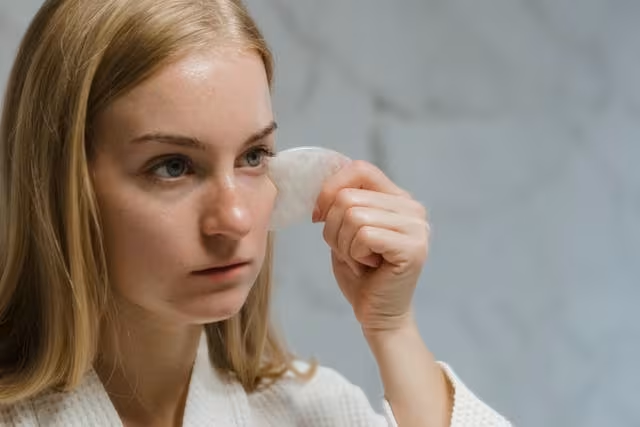
Gua Sha (刮痧) is an ancient healing therapy deeply rooted in Traditional Chinese Medicine (TCM) meridian energy concepts.
The term itself offers insight into the practice: “Gua” (刮) refers to scraping, while “Sha” (痧) describes the distinctive bruise-like marks that appear on the skin after treatment.
Explore everyday essentials and compare current offers on Shopee.
Browse ShopeeThis therapeutic technique involves using a smooth-edged tool to gently scrape the skin’s surface, releasing blocked energy (qi), relieving chronic pain, and promoting overall wellness.
In Singapore, Gua Sha has gained significant popularity as both a therapeutic treatment and a beauty ritual.
This comprehensive guide explores everything you need to know about Gua Sha in Singapore, from its fundamental principles to specialized techniques and important considerations.
Read more: Best TCM Clinic in Singapore (Sort by Reviews)
The Science and Philosophy Behind Gua Sha
Gua Sha operates on the TCM principle that health issues arise when qi (vital energy) becomes stagnant in certain areas of the body.
The therapy works through multiple mechanisms simultaneously. The repetitive scraping motion generates heat, which dilates pores and facilitates the release of waste, fluids, and toxins from the body, effectively mimicking the natural sweating process.
This technique also disperses stagnant blood beneath the skin and stimulates fresh blood flow to the area, breaking up energy blockages.
According to TCM theory, Gua Sha clears blockages in the meridian channels, allowing energy to flow freely throughout the body.
Additionally, the controlled pressure enhances blood flow in small blood vessels and soft tissues, promoting healing and reducing inflammation through improved microcirculation.
You might like: Best TCM Clinic in JB for Singaporeans
Types of Gua Sha Treatments Available in Singapore
TCM Body Gua Sha
Traditional body Gua Sha is performed on larger areas like the back, neck, shoulders, arms, and legs.
This more intensive technique targets deep-seated muscle tension, improves circulation, and addresses chronic pain issues. In Singapore, body Gua Sha treatments typically involve:
- Application of oil to prevent skin irritation
- Use of smooth, crescent-shaped tools made of stone or metal
- Long, downward strokes with controlled pressure
- Focus on areas with inflammation or stagnant energy
Related article: Acupuncture in Singapore: Types, Benefits
TCM Facial Gua Sha
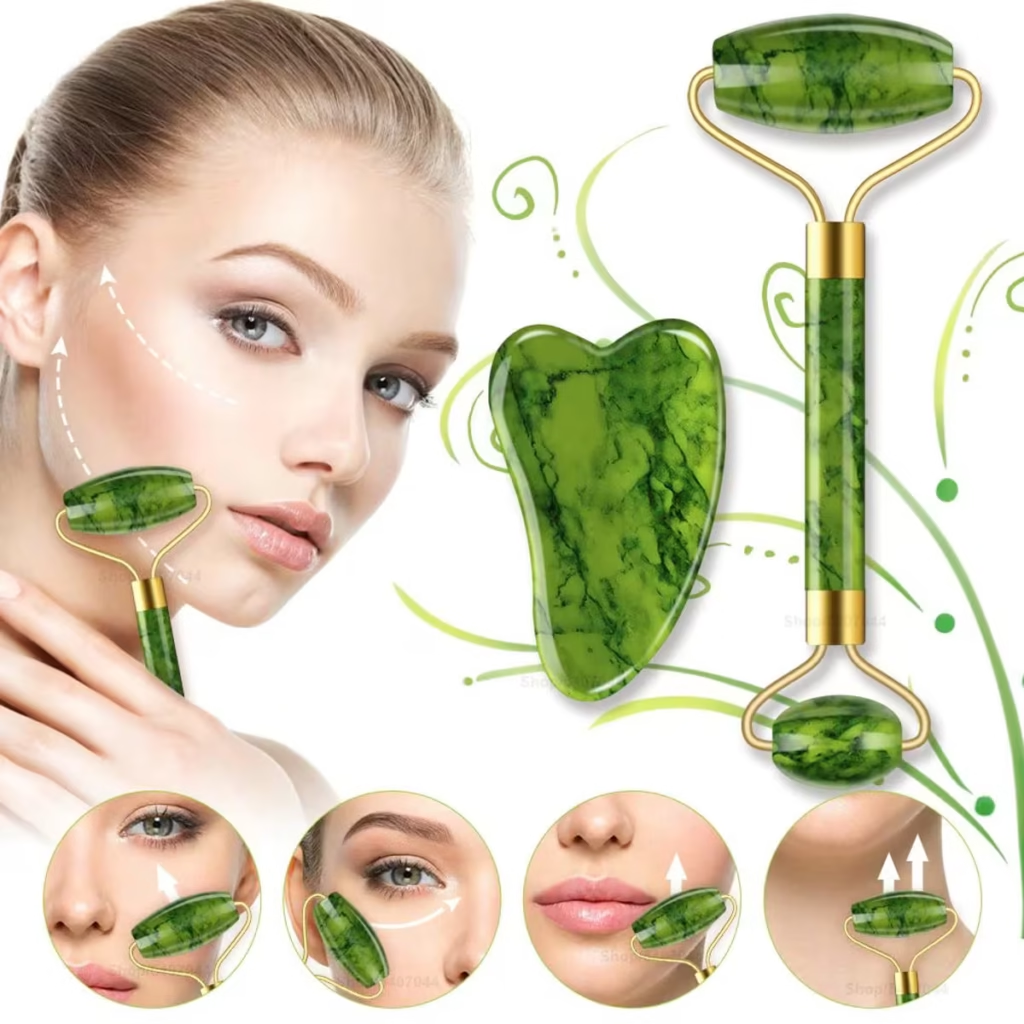
A gentler variation of the technique, facial Gua Sha has become increasingly popular in Singapore’s beauty scene. This treatment uses specialized jade or rose quartz tools to:
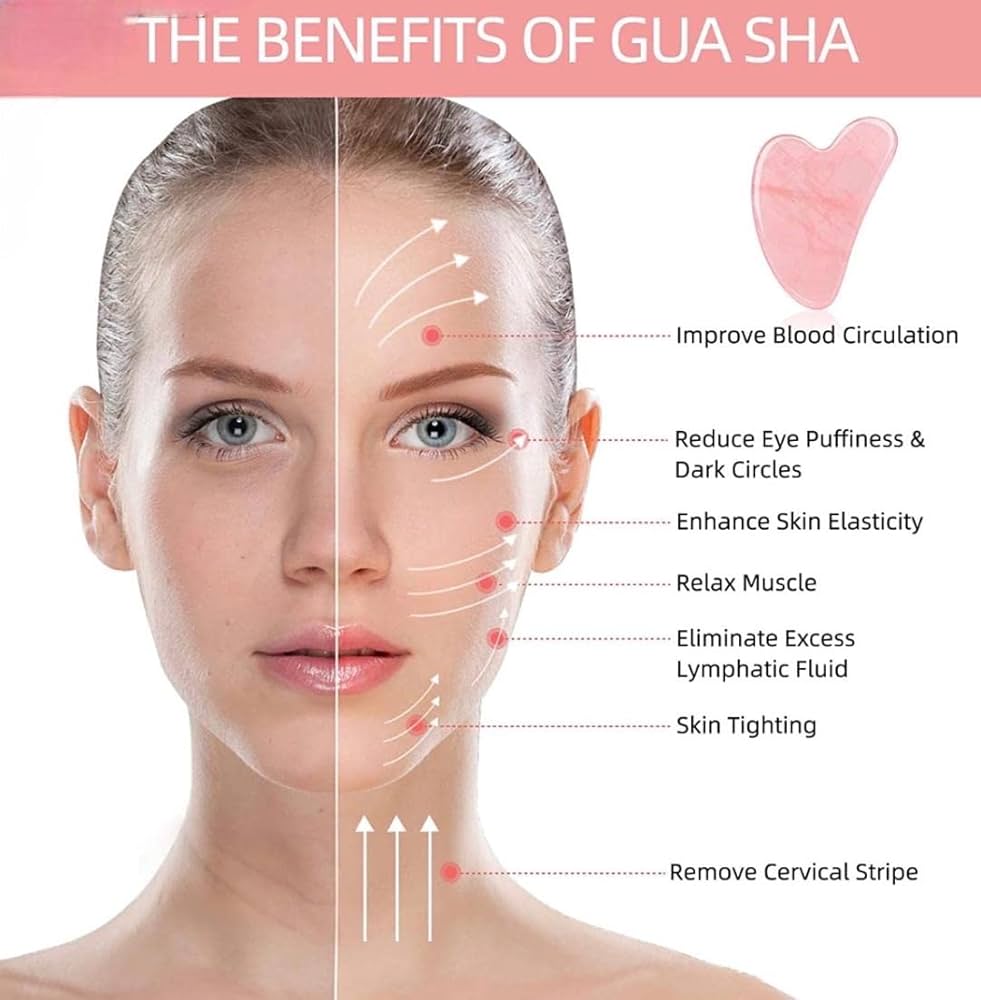
- Enhance blood circulation to the face
- Reduce puffiness and water retention
- Improve skin elasticity and firmness
- Minimize fine lines and wrinkles
- Promote lymphatic drainage
- Create a natural, radiant glow
Related article: Cupping Therapy in Singapore: Types, Benefits
Guasha Orthopaedic
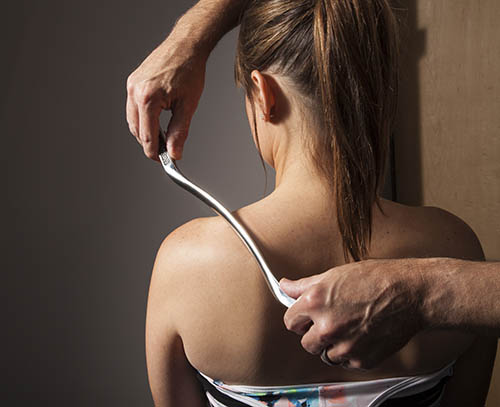
Healing Touch’s Guasha Orthopaedic Massage combines traditional TCM principles with specialized techniques for musculoskeletal issues.
This method uses custom-designed wooden tools with concave and convex features to:
- Cover wider treatment areas
- Achieve better results with less discomfort
- Target specific pressure points
- Address chronic muscle and joint pain
Related article: Moxibustion in Singapore: Types, Benefits
Korean Lymph Guasha
This facial treatment uses traditional Korean Gua Sha techniques specifically designed to:
- Encourage lymphatic drainage
- Detoxify the skin
- Treat acne and inflammation
- Provide natural anti-aging effects
- Enhance overall skin health
- Clear bacteria, allergens, and free radicals
You might like: Tuina Massage in Singapore: Benefits and Methods
The Benefits of Gua Sha
Physical Health Benefits
Reduces Bloating: Enhanced spleen qi helps food move through the digestive system more effectively, gently eliminating toxins from the stomach and intestines.
This process relaxes stagnation induced by poor diet or stress and creates a slimmer abdominal appearance.
Improves Blood Circulation: Gua Sha encourages microcirculation in small blood vessels and soft tissues, enhancing oxygen delivery to tissues.
This improved circulation promotes better general health and supports the body’s natural healing processes.
Decreases Muscle Tension: The therapy effectively releases tight muscle tissue and knots, reducing pain associated with muscle stiffness.
Regular treatments help prevent future discomfort by maintaining muscle functionality while increasing flexibility and range of motion.
This might help: Bone Setting in Singapore: Benefits and Treatment Method
Alleviates Chronic Pain: Gua Sha relieves stiffness and discomfort in muscles and joints by releasing trigger points that contribute to pain.
The technique lowers inflammation in affected areas and addresses issues like tendonitis and arthritis through improved energy flow.
Eliminates Water Retention: The treatment reduces edema and puffiness through improved circulation and aids lymphatic drainage by pushing fluid away from swollen areas.
By flushing out congested areas, Gua Sha helps create a slimmer, healthier silhouette.
Regulates Qi Flow: At its core, Gua Sha releases blocked energy in the meridians, balancing the body’s vital energy.
This rebalancing enhances overall wellbeing and supports the body’s self-healing capabilities.
Skin and Aesthetic Benefits
Lifts and Tightens Skin: Gua Sha improves skin firmness through enhanced blood circulation, making fine wrinkles less noticeable.
The treatment creates a natural lifting effect and provides a non-invasive alternative to cosmetic procedures.
Prevents and Treats Acne: Through improved blood circulation and lymphatic drainage, Gua Sha reduces inflammation and skin congestion.
The therapy helps clear bacteria and toxins while promoting a healthier complexion.
Reduces Skin Inflammation: The gentle scraping technique alleviates conditions like rosacea and eczema, calming irritated skin.
Regular treatments decrease redness and sensitivity while supporting a more balanced skin tone.
Skin Detoxification: Gua Sha opens pores to release impurities and eliminates toxins trapped in the skin.
This process enhances the skin’s natural detoxification and creates a cleaner, clearer complexion.
Anti-Aging Effects: The therapy stimulates collagen production and reduces fine lines and wrinkles.
By improving the tone of muscles and connective tissues, Gua Sha creates a more youthful appearance naturally.
Emotional and Mental Benefits
- Reduces Stress and Anxiety: Gua Sha relaxes the nervous system and releases tension held in the body. Many clients report a promoted sense of calm and wellbeing, along with improved sleep quality after treatments.
- Enhances Energy Flow: By clearing blockages, the therapy improves natural energy levels and reduces fatigue. Clients typically experience increased vitality and more balanced energy systems.
- Emotional Healing: The treatment soothes the spirit and helps release emotional pain. By improving the transmission of healing qi, Gua Sha supports overall emotional health and wellbeing.
How Gua Sha Treatment is Performed
Preparation
Before the treatment begins, the practitioner will conduct an initial consultation to assess your condition and discuss treatment objectives.
They will clean the treatment area, which for facial Gua Sha includes removing makeup and impurities from the skin.
The practitioner will then apply lubricants such as oil or specialized scraping cream to minimize friction and ensure smooth tool movement during treatment.
The Gua Sha Technique
The treatment process involves the therapist using a smooth-edged tool made of materials such as jade, rose quartz, water buffalo horn, or other suitable materials.
They apply controlled pressure while scraping the skin in specific patterns designed to stimulate circulation and energy flow.
For body treatments, the practitioner uses long, downward strokes following the meridian pathways, while facial treatments involve gentle, upward and outward strokes to lift and sculpt the facial contours.
Expected Sensations and Reactions
During and after the treatment, you may experience several normal reactions that indicate the therapy is working effectively.
A warm sensation typically occurs as blood circulation increases in the treated areas.
The appearance of redness or light bruising, known as “sha,” may develop on the treated areas as a natural response to the technique.
You may feel muscle release and relaxation, along with improved mobility and decreased pain in affected areas.
Some people experience expansion in the chest and abdominal areas, and many find relief from their symptoms following treatment.
These reactions are normal and generally indicate that the therapy is promoting healing and improved circulation.
Post-Treatment Care
To maximize the benefits of your Gua Sha session, follow these important aftercare guidelines.
Drink a moderate amount of water to stay hydrated and support your body’s natural healing processes.
Rest for at least an hour after treatment to allow your body to integrate the therapeutic effects.
Avoid cold showers for two to three hours following the session to prevent wind from entering through dilated pores, which is believed in traditional Chinese medicine to interfere with the healing process.
Avoid intense physical activity on the day of treatment to allow your body to focus on recovery.
Be aware that minor bruising may appear but should dissipate after a few days as part of the natural healing response.
Gua Sha Pricing in Singapore
The cost of Gua Sha treatments in Singapore varies based on several factors including the type of treatment, whether facial or body focused, and the duration of the session.
The location and reputation of the establishment, as well as the practitioner’s expertise and qualifications, also influence pricing.
On average, prices typically range from SGD 80 to SGD 150 per session, with specialized treatments or those offered by highly experienced practitioners potentially costing more.
It’s advisable to research different providers and compare their qualifications, services, and pricing to find the best value for your specific needs.
Who Should Exercise Caution with Gua Sha
Medical Contraindications
If you have any of the following conditions, consult with a TCM physician before undergoing Gua Sha treatment:
- Diabetes
- High blood pressure
- Cold sores
- Bacterial or fungal infections
- Abnormal lumps or swelling
- Skin conditions such as eczema, psoriasis, or severe acne
- Pregnancy
- Blood circulation issues
- Recent surgeries or procedures
Areas to Avoid During Treatment
Certain areas should be avoided during Gua Sha, including:
- Varicose veins
- Open wounds
- Active acne lesions
- Sunburned or irritated skin
- Recent injury sites
Frequently Asked Questions
What is the difference between facial and body Gua Sha?
Facial Gua Sha uses gentler techniques and specialized tools designed specifically for the delicate skin of the face.
The pressure applied is much lighter, and the focus is on lymphatic drainage, reducing puffiness, and enhancing skin elasticity.
Body Gua Sha, on the other hand, uses firmer pressure to address deeper muscle tension, pain, and circulation issues in larger body areas like the back, shoulders, and limbs.
Is Gua Sha painful?
The sensation experienced during Gua Sha varies from person to person based on individual pain tolerance.
While body Gua Sha may cause mild discomfort as it targets areas of tension and stagnation, the treatment should never be unbearably painful.
Facial Gua Sha is typically gentle and relaxing. A good practitioner will always adjust the pressure according to your comfort level, so communication is key.
If you feel excessive pain during a session, inform your therapist immediately.
How often should I receive Gua Sha treatments?
For general wellness and maintenance, a Gua Sha session every one to two weeks is typically recommended.
Those addressing specific health concerns like chronic pain or muscle tension may benefit from more frequent sessions initially, perhaps once or twice weekly.
For facial Gua Sha, regular sessions (once per week) yield the best results for skin rejuvenation and maintenance.
Your practitioner can recommend an ideal treatment frequency based on your specific needs and how your body responds to the therapy.
Are the red marks from Gua Sha dangerous?
The redness or light bruising (called “sha”) that appears after treatment is a normal and expected part of the process, indicating improved blood circulation and the release of stagnation.
These marks are not harmful and typically fade within 2-7 days, depending on the intensity of the treatment and your body’s natural healing rate.
The appearance of sha is actually considered a positive sign in TCM, showing that toxins and stagnant energy are being released from the body.
Can I do Gua Sha at home, or should I always visit a professional?
While professional treatments provide the most comprehensive benefits, particularly for addressing specific health concerns, many people successfully incorporate facial Gua Sha into their home skincare routines. If you wish to try at-home facial Gua Sha, consider:
- Purchasing a quality tool from a reputable source
- Learning proper techniques through workshops or instructional videos
- Starting with gentle pressure until you understand how your skin responds
- Using appropriate facial oils to allow the tool to glide smoothly
For body Gua Sha, professional treatment is generally recommended, as improper technique could potentially cause injury or excessive bruising.
Is TCM facial Gua Sha suitable for all skin types?
TCM facial Gua Sha can benefit most skin types, including dry, normal, combination, and mature skin. It’s particularly effective for improving circulation, reducing puffiness, and enhancing skin elasticity.
However, individuals with extremely sensitive skin, active skin infections, sunburned skin, or severe inflammatory conditions like acute rosacea flares should exercise caution.
Those with acne-prone skin should consult a TCM practitioner to determine if the technique is suitable for their specific condition and to ensure proper, gentle application that won’t aggravate existing breakouts.
How long does it take to see results from Gua Sha?
Many people report feeling immediate benefits after a single Gua Sha session, including muscle relief, improved mobility, and a sense of relaxation.
For facial Gua Sha, some immediate effects like reduced puffiness and a temporary lifting effect can be observed right away.
However, for long-term benefits and more significant improvements, consistent treatments over time are necessary.
Most practitioners suggest that noticeable, lasting changes in skin texture, facial contours, and chronic pain relief typically become evident after 4-6 regular sessions.
What should I do if I experience lightheadedness after a Gua Sha session?
Some people may experience temporary lightheadedness, cold sweats, or slight dizziness following a Gua Sha treatment, particularly if it’s their first session or if the treatment was intense.
This typically occurs due to the rapid detoxification process and increased circulation. If you experience these symptoms:
- Sit or lie down immediately
- Drink water slowly
- Take slow, deep breaths
- Inform your practitioner so they can provide appropriate care
These symptoms usually subside quickly, but if they persist or are severe, seek medical attention.
Can Gua Sha help with weight loss?
While Gua Sha itself is not a weight loss treatment, it can support weight management efforts in several indirect ways.
The therapy improves circulation and lymphatic drainage, which can help reduce bloating and water retention, creating a temporarily slimmer appearance.
Regular treatments may also improve digestion and metabolism by enhancing the function of digestive organs through better energy flow.
However, for effective weight loss, Gua Sha should be considered a complementary therapy alongside proper diet, regular exercise, and overall lifestyle management.
What’s the difference between Gua Sha and other TCM treatments like cupping or acupuncture?
While all three treatments aim to improve qi flow and address energy blockages, they use different approaches:
- Gua Sha uses scraping motions to stimulate circulation and break up stagnation in the superficial tissue layers
- Cupping creates suction on the skin’s surface to draw blood to specific areas, facilitating healing and toxin removal
- Acupuncture involves inserting thin needles at specific points along meridian pathways to balance energy flow
Many TCM practitioners may recommend combining these therapies for enhanced results, as each addresses energy blockages through different mechanisms.
For example, Gua Sha might be paired with acupuncture to address both surface-level congestion and deeper energy imbalances.
Conclusion
Gua Sha offers a holistic approach to health and wellness that addresses both physical symptoms and their underlying energetic causes.
Whether you’re seeking relief from chronic pain, looking to enhance your natural beauty, or aiming to improve overall wellbeing, this ancient TCM technique provides numerous benefits with minimal side effects when performed correctly.
In Singapore’s busy urban environment, Gua Sha offers a valuable opportunity to reconnect with traditional healing practices while addressing modern health concerns.
By understanding its principles, benefits, and considerations, you can make informed decisions about incorporating this therapeutic technique into your wellness routine.
When seeking Gua Sha treatments in Singapore, always choose qualified practitioners with proper training in TCM techniques to ensure a safe, effective, and authentic experience.
Explore everyday essentials and compare current offers on Shopee.
Browse Shopee