
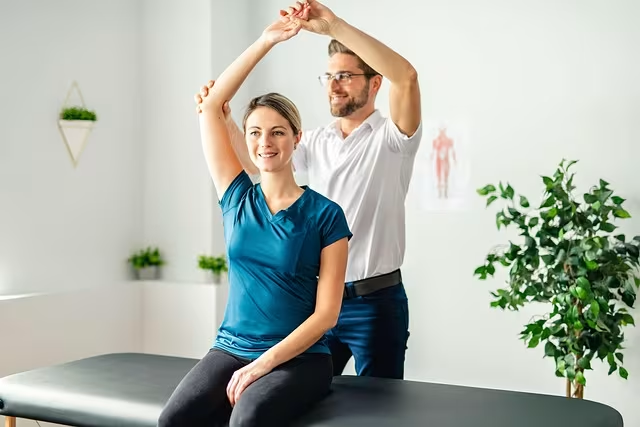
Bone setting, known as “zheng gu” (正骨) in Chinese, stands as one of the five traditional branches of Traditional Chinese Medicine (TCM).
This centuries-old practice represents a natural approach to rebalancing the musculoskeletal system, helping restore harmony to the body’s framework.
General shopping ideas, independent of this article’s advice.
Swipe to compare products → TCM Hair Tonic《保健堂》古方护发水 (100ml)S$98.00✨Medicated Pain Relief Plaster✨ Original TCM FormulaS$3.70Zappy Postpartum Body Wipes 20 Sheets Resealable (Ginger infused with TCM Extract)From S$26.80
Prices may vary by option. Check the final price and delivery on Shopee.
In Singapore, where modern and traditional medicine coexist, bone setting continues to gain recognition as an effective method for addressing various musculoskeletal issues.
At its core, bone setting is a non-invasive therapy that utilizes specialized manual techniques to correct misalignments, remove blockages in the joints, and enhance overall mobility.
The practice aims to restore proper alignment and function to the body, potentially reducing pain and improving quality of life without resorting to pharmaceutical interventions or surgery.
Read more: Best TCM Clinic in Singapore (Sort by Reviews)
The Philosophy Behind Bone Setting
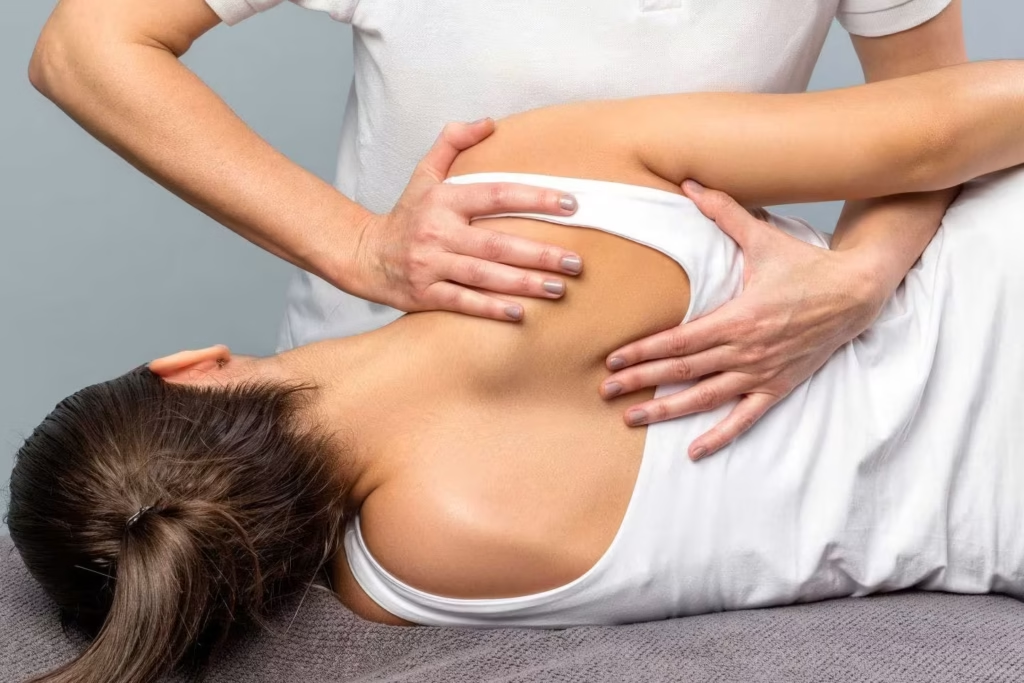
The practice of bone setting is deeply rooted in traditional Chinese medical philosophy, which views the body as an interconnected system where proper alignment and energy flow are essential for optimal health.
When bones and joints become misaligned, they can create blockages that impede the flow of qi (vital energy) and blood, potentially leading to pain, stiffness, and various health issues.
Unlike some modern approaches that may focus solely on the symptomatic area, traditional bone setting takes a holistic view, examining how misalignments in one part of the body might affect overall balance and function.
This comprehensive perspective aligns with the fundamental TCM principle of treating the body as an integrated whole rather than addressing isolated symptoms.
You might like: Best TCM Clinic in JB for Singaporeans
Benefits of Bone Setting
Pain Relief
One of the primary benefits of bone setting is its ability to provide significant pain relief. Through skilled manipulation of bones and joints, bone setting practitioners promote the body’s natural healing processes.
This approach can be particularly effective for those suffering from joint and muscle injuries, as well as chronic conditions such as arthritis and persistent back pain.
The manual therapy aims to restore proper alignment and movement of traumatized bones or joints that cause pain.
Through these treatments, patients often experience reduced inflammation, swelling, and stiffness, which further aids the body’s healing process.
Enhanced Mobility and Flexibility
Bone setting treatment frequently incorporates various manual techniques designed to stretch and strengthen muscles and soft tissues.
By realigning the musculoskeletal system, these methods can substantially improve flexibility by increasing the elasticity and length of muscles, tendons, and ligaments.
The result is often greater freedom of movement, which can be particularly beneficial for individuals whose mobility has been restricted by injury, chronic conditions, or the natural aging process.
Many patients report being able to perform daily activities with greater ease after receiving bone setting treatments.
Related article: TCM Pain Management in Singapore: A Holistic Approach to Chronic Pain Relief
Non-Invasive and Drug-Free Approach
In an era where many seek alternatives to surgery and medication, bone setting offers a non-invasive, drug-free option for addressing musculoskeletal issues.
The therapy primarily involves hands-on manipulation techniques, with practitioners applying gentle pressure or mobilization methods to correct misalignments and restore proper function.
This approach aligns with a growing preference for natural healing methods that work with the body’s innate ability to heal itself.
By avoiding surgical interventions and reducing reliance on pain medications, bone setting may help patients avoid potential side effects associated with more invasive treatments.
Comprehensive Wellness Improvement
When the body is properly aligned, patients often report improvements beyond the immediate area of treatment.
Many experience reduced headaches, decreased dizziness, fewer sprains, and improved respiratory function.
This highlights the interconnected nature of the body’s systems and underscores the holistic benefits that can result from proper skeletal alignment.
You might be interested: Acupuncture in Singapore: Types, Benefits
Conditions Treated by Bone Setting
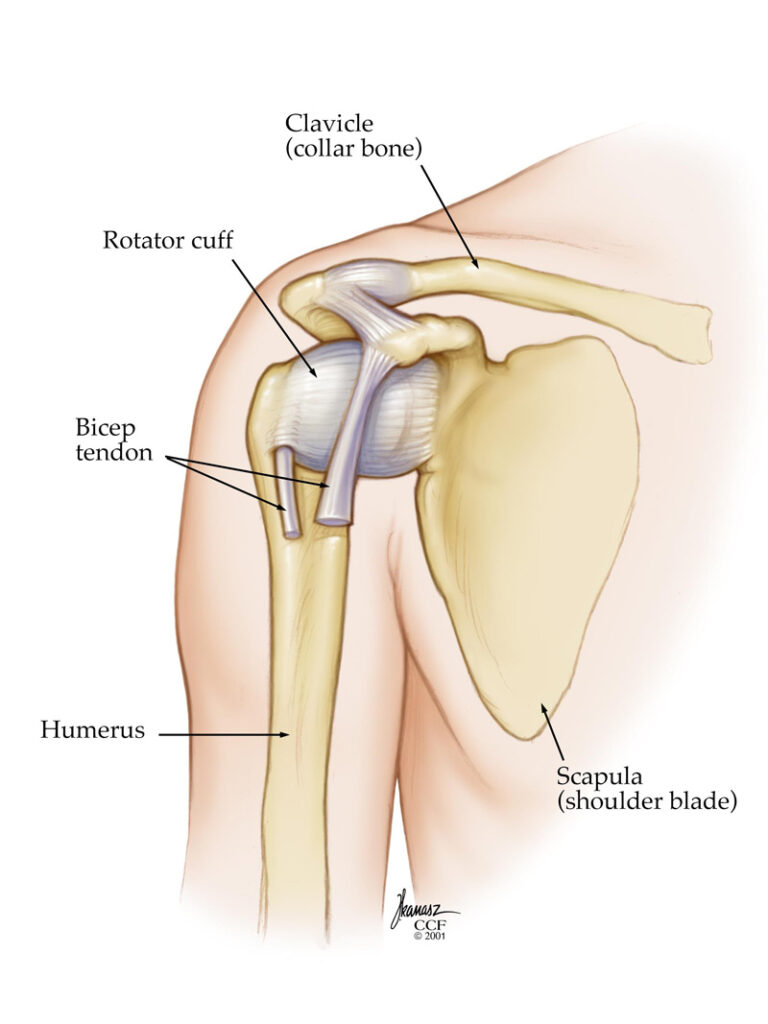
Bone setting practitioners in Singapore address a wide range of musculoskeletal conditions. Some of the most common issues treated include:
- Arthritis: Relieving joint pain and improving mobility
- Sciatica: Addressing nerve compression that causes leg pain
- Uneven shoulders and hips: Correcting postural imbalances
- Frozen shoulders: Restoring range of motion in the shoulder joint
- Herniated/slipped discs: Alleviating pressure on spinal nerves
- Dislocations: Returning joints to their proper position
- Sprains: Promoting healing of ligament injuries
- Chronic pain: Addressing persistent musculoskeletal discomfort
- Back pain: Correcting spinal misalignments and muscle tension
- Leg length discrepancy: Addressing imbalances stemming from hip misalignment
- Scoliosis: Managing curvature of the spine
- Spinal stenosis: Relieving pressure on the spinal cord and nerves
- Cervical spondylosis: Addressing degenerative conditions in the neck
- Respiratory conditions: Improving breathing function through better skeletal alignment
Related article: Tuina Massage in Singapore: Benefits and Methods
Bone Setting Techniques
Bone setting practitioners employ various specialized techniques to address different musculoskeletal issues.
The specific methods used may vary depending on the practitioner’s training and the particular condition being treated. Common techniques include:
Manual Manipulation
The cornerstone of bone setting is manual manipulation, where practitioners use their hands to gently adjust and realign bones and joints.
Through precise, controlled pressure and specific movements, they work to shift misaligned structures back into their proper positions, facilitating the body’s natural healing processes.
You might like: TCM Pediatric Massage in Singapore: Benefits and Techniques
Traction
Traction involves carefully stretching the affected area to relieve pressure on joints or to help reset them.
This technique is particularly useful for addressing conditions like dislocated joints or spinal misalignments, creating space between compressed structures and allowing for proper realignment.
Tuina Massage
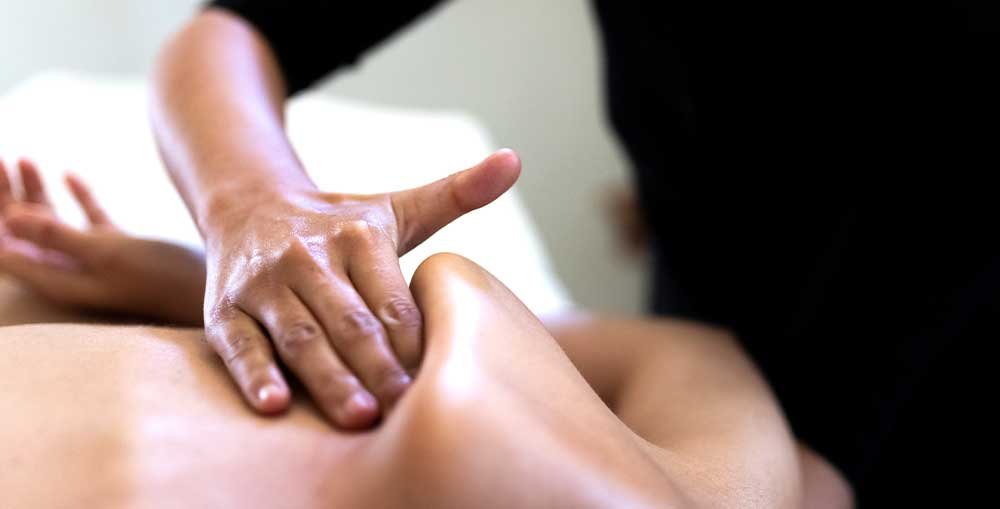
Often used alongside bone setting, Tuina is a traditional Chinese massage technique that helps promote blood flow and reduce pain and inflammation in specific areas.
This complementary approach helps prepare the body for manipulation and enhances the effectiveness of the bone setting treatment.
Heat and Cold Therapy
Many bone setting practitioners incorporate heat and cold therapy to prepare muscles and joints for manipulation.
Heat application helps relax tight muscles and increase blood flow to the area, while cold therapy can reduce inflammation and numb pain. These approaches create optimal conditions for effective treatment.
Read more: TCM for Period Cramps in Singapore: How it Works
Herbal Applications
Traditional herbal wraps or ointments may be applied topically to reduce inflammation and promote healing.
These natural remedies complement the manual techniques and can provide additional pain relief and anti-inflammatory benefits during the recovery process.
The Bone Setting Process
When visiting a bone setting practitioner in Singapore, patients can expect a systematic approach to assessment and treatment:
- Initial Examination: The practitioner begins with a thorough examination of the joints, starting from the head and progressing to the legs. This comprehensive assessment helps identify areas of misalignment or dysfunction.
- Mobility Testing: To determine specific problems, the practitioner will perform a series of mobility exercises, observing how different parts of the body move and interact.
- Treatment Application: Based on the assessment findings, the practitioner performs bone setting techniques by physically manipulating the joints and conducting targeted massages to increase blood flow to affected areas.
- Herbal Treatment: To aid blood circulation and reduce inflammation, the practitioner may apply traditional herbal healing ointments or wraps to affected areas.
- Follow-up Recommendations: The practitioner typically provides guidance on activities to avoid, exercises to perform, and may schedule follow-up appointments to monitor progress and make additional adjustments as needed.
Bone Setting vs. Chiropractic Care in Singapore
When seeking musculoskeletal care in Singapore, many patients find themselves choosing between bone setting and chiropractic care. While both approaches aim to improve alignment and reduce pain, they differ in several key aspects:
Focus and Approach
Chiropractors primarily focus on the spine and its effects on the nervous system. They use precise adjustments to the spine to improve overall health, operating on the belief that a well-aligned spine enables the body to heal itself and reduce pain.
Chiropractic care often involves a more systematic, diagnostic approach, frequently utilizing modern tools and technology like X-rays to assess conditions and develop treatment plans.
In contrast, traditional bone setting takes a broader approach to the skeletal system.
Practitioners examine the entire framework of bones, joints, muscles, nerves, blood circulation, connective tissues, and even internal organs to address pain and restore general well-being.
The practice is deeply rooted in cultural and traditional methods, with practitioners relying primarily on their hands-on skills and experience.
Diagnostic Methods
Chiropractic care typically incorporates modern diagnostic tools, including X-rays and advanced imaging, to precisely identify spinal issues and track progress over time.
This scientific approach allows for detailed documentation and measurement of improvements.
Bone setting practitioners generally rely more on physical examination, palpation, and traditional diagnostic methods to assess musculoskeletal imbalances.
Their expertise comes from years of experience in observing and feeling subtle changes in the body’s structure and movement patterns.
Treatment Philosophy
The chiropractic philosophy centers on the spine’s impact on the nervous system and overall health. By ensuring proper spinal alignment, chiropractors aim to enhance the body’s natural ability to heal itself, potentially addressing not only pain but also supporting overall wellness.
Bone setting’s philosophy is rooted in traditional healing wisdom, focusing on restoring balance to the body’s structural framework.
This approach views misalignments as disruptions to the body’s natural state and seeks to gently guide structures back to their proper positions.
Choosing Between Approaches
The effectiveness of both bone setting and chiropractic care largely depends on the individual’s condition, preferences, and the practitioner’s expertise.
Some patients may find longer-lasting relief through chiropractic care due to its focus on the spine’s impact on the nervous system, while others may prefer the traditional, whole-body approach of bone setting.
For optimal results, many healthcare professionals in Singapore recommend consulting practitioners from both disciplines to make an informed decision about which approach might best address specific needs.
Some patients even find value in combining both therapies as part of a comprehensive treatment plan.
Osteopathy and Bone Setting
The terms “osteopathy” and “bone setting” are sometimes used interchangeably in Singapore, particularly in Traditional Chinese Medicine contexts.
Osteopathic bone adjustment combines elements of traditional practices with modern techniques, offering a comprehensive approach to musculoskeletal health.
Osteopathy is especially beneficial for office workers who frequently experience neck and shoulder stiffness and soreness from maintaining the same posture for extended periods.
This discomfort typically stems from muscle tension, poor blood circulation, and misalignment of the spine and joints.
Regular osteopathy sessions can help mitigate the effects of sedentary work habits and potentially minimize the risk of developing chronic issues.
Additionally, osteopathy can assist with pain management for conditions such as headaches, lower back pain, and repetitive strain injuries that are common in office environments.
The Significance of Bone Setting in Singapore
In Singapore, where 60% of occupational diseases from 2019 to 2021 were work-related musculoskeletal disorders (totaling approximately 1,000 cases), bone setting offers a promising solution for addressing these prevalent issues.
As a densely populated urban center with a significant workforce in office settings, Singapore sees many cases of posture-related pain and repetitive strain injuries that may benefit from traditional bone setting approaches.
The practice has gained increasing recognition within Singapore’s diverse healthcare landscape, which embraces both Western medical approaches and traditional healing methods.
This integration reflects Singapore’s multicultural heritage and pragmatic approach to healthcare, where effectiveness often takes precedence over the origin of the treatment method.
Safety and Considerations
While bone setting offers numerous benefits, it’s important to approach this therapy with appropriate caution and awareness:
Qualified Practitioners: Bone setting therapy should always be performed by trained and experienced practitioners to avoid potential complications that could arise from improper manipulation of bones and joints.
Medical Evaluation: Bone setting is not a substitute for medical care or surgical intervention in cases of severe fractures, dislocations, or other serious skeletal injuries. In such situations, prompt medical attention should be sought.
Communication: Before beginning treatment, patients should discuss their complete medical history and current conditions with their bone setting practitioner to ensure the approach is appropriate for their specific circumstances.
Expectations: While many patients experience immediate relief following bone setting treatments, others may require multiple sessions to achieve desired results. Understanding the potential timeline for improvement helps set realistic expectations.
Complementary Care: For optimal results, bone setting may be most effective when integrated into a comprehensive healthcare approach that includes appropriate exercise, nutrition, and stress management.
Finding a Qualified Bone Setting Practitioner in Singapore
When seeking a bone setting practitioner in Singapore, consider these factors to ensure you receive safe, effective care:
Credentials and Training: Look for practitioners who have received formal training in Traditional Chinese Medicine or bone setting techniques, preferably with recognized certifications.
Experience: Practitioners with several years of experience have typically developed refined skills and a deeper understanding of various musculoskeletal conditions.
Reputation: Seek recommendations from trusted sources or read reviews from previous patients to gauge the practitioner’s effectiveness and approach.
Communication Style: Choose a practitioner who takes time to explain their assessment, proposed treatment plan, and expected outcomes, answering questions thoroughly.
Facility Quality: Ensure the treatment center maintains appropriate cleanliness and professional standards.
In Singapore, qualified bone setting practitioners can be found in various traditional healing centers and TCM clinics throughout the island, with many concentrated in areas with significant Chinese cultural influence.
FAQ About Bone Setting in Singapore
What is the difference between bone setting and physiotherapy?
Bone setting focuses primarily on manual manipulation of bones and joints to restore proper alignment, while physiotherapy encompasses a broader range of treatments including exercise, electrical stimulation, ultrasound, and other modalities.
Physiotherapy typically takes a more rehabilitation-focused approach, developing programs to strengthen muscles and improve function over time, whereas bone setting aims to directly correct structural misalignments.
Both can be complementary, with bone setting addressing immediate alignment issues and physiotherapy building long-term strength and function.
Is bone setting painful?
Bone setting is designed to be gentle and minimally invasive. While some patients might experience brief discomfort during the manipulation process, this is typically followed by a sense of relief.
The level of discomfort varies depending on the condition being treated, the severity of misalignment, and individual pain tolerance.
Skilled practitioners work to minimize discomfort by using appropriate techniques and preparing tissues adequately before adjustment.
How many sessions of bone setting will I need?
The number of required sessions varies significantly based on the specific condition, its severity, how long it has been present, and how the body responds to treatment.
Some acute conditions might show improvement after 1-3 sessions, while chronic or complex issues may require a series of treatments over several weeks or months.
Your practitioner should provide an estimated treatment plan after the initial assessment, adjusting as necessary based on your progress.
Can children receive bone setting treatments?
Yes, children can receive bone setting treatments, but with modifications appropriate for their developing bodies.
Techniques used for children are typically gentler and may focus more on mild stretching and mobilization rather than forceful manipulation.
Bone setting can be helpful for issues like minor sports injuries, postural problems, or certain congenital musculoskeletal conditions.
However, it’s essential to consult with a practitioner who has specific experience working with pediatric patients.
Is bone setting covered by health insurance in Singapore?
Coverage for bone setting treatments varies among insurance providers in Singapore. Some integrated shield plans and private health insurance policies include coverage for Traditional Chinese Medicine treatments, including bone setting, while others may not.
Even when covered, there might be limitations on the number of sessions or maximum claim amounts. It’s advisable to check with your specific insurance provider regarding coverage details before beginning treatment.
How should I prepare for a bone setting session?
To prepare for a bone setting session, wear comfortable, loose-fitting clothing that allows easy access to the areas requiring treatment.
Avoid heavy meals immediately before your appointment, as treatment often involves lying in various positions. Bring relevant medical records, imaging results, or doctors’ reports related to your condition.
It’s also helpful to make a list of your symptoms, when they started, what makes them better or worse, and any questions you have for the practitioner.
Can bone setting help with sports injuries?
Yes, bone setting can be effective for many types of sports injuries, particularly those involving joint misalignments, muscle strains, and ligament sprains.
The techniques can help restore proper alignment, reduce inflammation, and promote healing in damaged tissues.
Athletes often appreciate the non-pharmaceutical approach to pain management and the potential for faster return to activity.
However, serious injuries such as complete tears or fractures should receive appropriate medical attention before considering bone setting as a complementary therapy.
What is the history of bone setting in Singapore?
Bone setting has a rich history in Singapore, closely tied to the immigration of Chinese practitioners who brought their traditional healing knowledge to the island. As Singapore developed as a multicultural hub, bone setting became integrated into the healthcare options available to residents.
The practice gained recognition alongside Western medicine, particularly in the Chinese community.
Today, bone setting continues to evolve in Singapore, with some practitioners incorporating modern anatomical knowledge while maintaining traditional techniques, reflecting the country’s characteristic blend of traditional wisdom and contemporary approaches.
How does bone setting view the cause of musculoskeletal problems?
In the traditional bone setting perspective, musculoskeletal problems often arise from imbalances or blockages in the body’s structure that disrupt the flow of qi (vital energy) and blood.
These imbalances can result from physical trauma, poor posture, repetitive strain, emotional stress, or environmental factors.
Unlike some Western approaches that might focus exclusively on the mechanical aspects of pain, bone setting considers how these structural issues relate to overall energy flow and functional harmony within the body, reflecting its roots in holistic Traditional Chinese Medicine philosophy.
Can bone setting be combined with Western medical treatments?
Yes, bone setting can often complement Western medical treatments as part of an integrated approach to musculoskeletal health.
Many patients in Singapore receive conventional medical care alongside bone setting treatments, particularly for complex or chronic conditions.
For example, someone recovering from orthopedic surgery might use bone setting to address secondary alignment issues during rehabilitation, or a person managing arthritis might combine prescription anti-inflammatory medications with bone setting to improve joint function. It’s important to inform both your medical doctor and bone setting practitioner about all treatments you’re receiving to ensure safe, coordinated care.
General shopping ideas, independent of this article’s advice.
Swipe to compare products →Kidney Supplement | Thong Chai TCM |Bu Shen Yi Jing | Vital Energy & Essence Tonic– Replenish Qi, Yin-Yang Balance 补肾益精From S$58.00TCM Qi-Booster Tonic Soup《保健堂》补气养生汤S$48.00Upgraded Steam Spa Eye Mask TCM Formula | Heat pack | Heat Pad | Warmer | Sleep Mask | Eye PackS$0.35Prices may vary by option. Check the final price and delivery on Shopee.