

In the realm of weight management, Traditional Chinese Medicine (TCM) offers a distinctive approach that addresses not just symptoms but underlying causes of weight gain.
Unlike conventional methods that often focus solely on calorie restriction and exercise, TCM weight management in Singapore provides a personalized, holistic treatment plan that considers your unique body constitution, emotional health, and lifestyle factors.
General shopping ideas, independent of this article’s advice.
Swipe to compare products → TCM Hair Tonic《保健堂》古方护发水 (100ml)S$103.00✨Medicated Pain Relief Plaster✨ Original TCM FormulaS$3.70Zappy Postpartum Body Wipes 20 Sheets Resealable (Ginger infused with TCM Extract)From S$26.80
Prices may vary by option. Check the final price and delivery on Shopee.
This might help: Best TCM Clinic in Singapore (Sort by Reviews)
Understanding the TCM Approach to Weight Management
Traditional Chinese Medicine views weight management through the lens of energy balance and organ function.
According to TCM principles, excess weight is not simply about consuming too many calories but is often a manifestation of underlying imbalances within the body’s systems.
TCM practitioners believe that when the body’s vital energy (Qi) and blood circulation flow smoothly, and organ systems function optimally, the body naturally maintains a healthy weight.
Related article: Best TCM Clinic in JB for Singaporeans
The Concept of “Dampness” in TCM
In TCM philosophy, one of the most prevalent causes of weight gain is excessive “dampness” in the body. This occurs when food consumption, digestion, absorption, and transportation are out of balance.
Excessive consumption of cold drinks, sweet foods, and oily dishes can overload the stomach and spleen functions, leading to sluggish nutrient processing and fat accumulation.
TCM weight management protocols aim to eliminate this “dampness” by restoring balance to the body’s systems, improving metabolism, and enhancing the flow of Qi and blood.
The 4 Types of Obesity in TCM
TCM classifies obesity into four distinct types, each requiring a different approach to treatment:
- Obesity Due to Overeating: Primarily caused by excessive food consumption and poor dietary habits.
- Postpartum Edema-Related Obesity: Associated with fluid retention and hormonal changes following childbirth.
- Stress-Related Obesity: Stemming from emotional disturbances and chronic stress that affect liver function and energy flow.
- Age-Related Obesity: Connected to the natural slowing of metabolism and changes in hormonal balance that occur with aging.
By identifying which category best describes your condition, TCM practitioners can develop a personalized treatment plan tailored to address your specific needs.
You might like: TCM Pain Management in Singapore: A Holistic Approach to Chronic Pain Relief
TCM Weight Management Treatment Methods
Acupuncture

Acupuncture is one of the primary treatments used in TCM weight management.
This ancient technique involves inserting fine needles into specific acupoints on the body to stimulate the flow of Qi and restore balance to the body’s systems.
For weight management, acupuncture offers multiple benefits:
- Suppresses appetite by stimulating specific points that affect hunger signals
- Improves metabolism by enhancing the circulation of Qi and blood
- Reduces stress and tendency for emotional eating
- Improves digestive function and reduces bloating
- Targets localized fat in areas such as the abdomen, arms, and legs
The World Health Organization (WHO) has recognized acupuncture’s therapeutic effects for various conditions, including weight management and metabolic disorders.
Read more: Acupuncture in Singapore: Types, Benefits
Tui Na Massage
Tui Na is a form of therapeutic massage that combines various manual techniques to stimulate acupoints, meridians, muscles, and nerves. In TCM weight management, Tui Na focuses primarily on:
- Unblocking the flow of Qi throughout the body
- Improving circulation in areas with stubborn fat deposits
- Enhancing lymphatic drainage and toxin elimination
- Stimulating digestive organs, particularly in the abdominal region
- Reducing fluid retention and bloating
The friction created during Tui Na massage warms the skin, increasing microcirculation and aiding in the breakdown of fat to be burned.
Read more: Tuina Massage in Singapore: Benefits and Methods
Chinese Herbal Medicine
Herbal medicine plays a crucial role in TCM weight management by addressing the underlying causes of weight gain and supporting other treatment methods. Each herbal prescription is customized based on the individual’s specific condition and body constitution.
Chinese herbs for weight management may help:
- Regulate imbalanced organ functions
- Boost metabolism and energy levels
- Reduce food cravings
- Eliminate excess “dampness” and fluid retention
- Support digestive health and nutrient absorption
Some commonly used herbs include ginseng, which has been shown to help with weight loss, slow down fat absorption, and interfere with fat production.
Additionally, Chinese tea contains beneficial components such as caffeine, tea polyphenol, and tea pigment, which can aid digestion and increase metabolism.
You might like: Bone Setting in Singapore: Benefits and Treatment Method
Ear Acupuncture
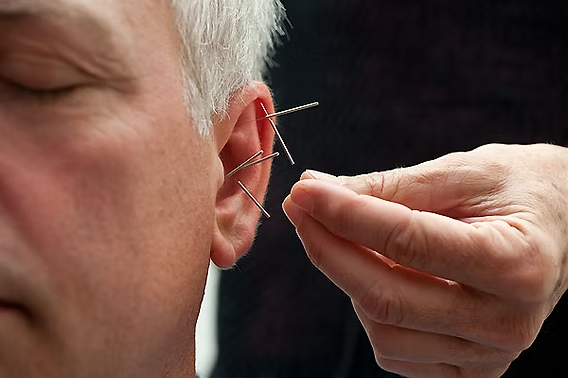
Ear acupuncture, or auricular therapy, targets specific points on the ear that correspond to different body systems and functions. This technique is particularly effective for controlling food cravings and reducing the urge to overeat.
The ear contains numerous acupuncture points that, when stimulated, can influence appetite regulation, metabolism, and stress levels. This makes ear acupuncture an excellent complementary treatment for weight management.
Read more: Cupping Therapy in Singapore: Types, Benefits
Cupping Therapy
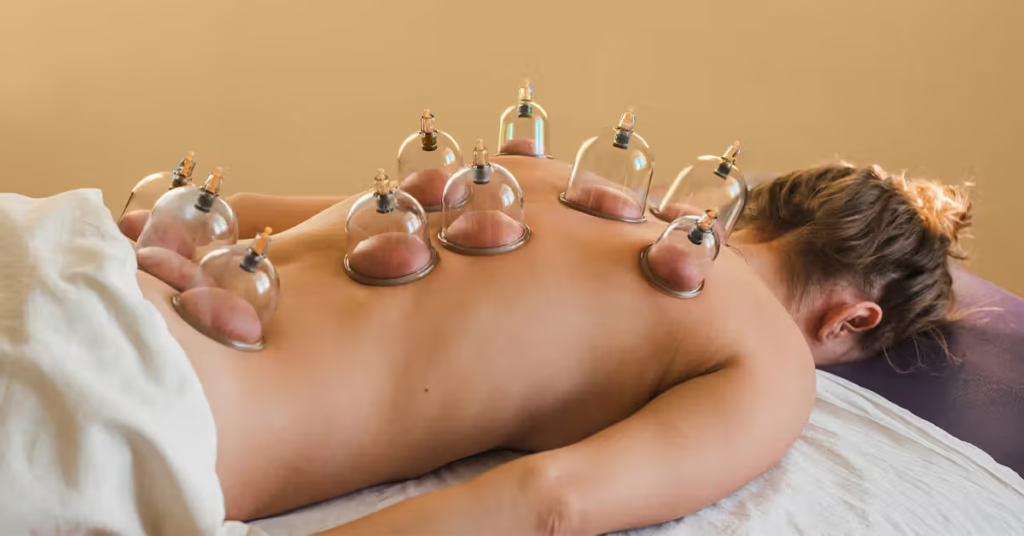
Cupping therapy involves creating a vacuum or suction on the skin’s surface using specialized cups. This technique helps promote weight loss by:
- Disintegrating fat lipids in targeted areas
- Reducing “dampness,” a contributing factor to weight gain
- Improving Qi and blood circulation
- Reducing fluid retention and bloating
- Targeting cellulite and improving skin appearance
Cupping is particularly effective in targeting stubborn fat areas and enhancing the results of other TCM weight management treatments.
Read more: Gua Sha in Singapore: Benefits, Techniques & Considerations
Gua Sha
Gua Sha is a technique that involves scraping a person’s body with a specialized tool in short or long strokes to stimulate specific energy lines. For weight management, Gua Sha:
- Supports digestive system function
- Rebalances internal organs by stimulating Qi
- Eliminates toxins from the body
- Reduces cellulite and tones the body
- Promotes lymphatic drainage and water elimination
When used on the face, Gua Sha can help reduce puffiness by encouraging lymphatic and water drainage, resulting in a slimmer facial appearance.
Benefits of TCM Weight Management
TCM weight management offers numerous advantages over conventional weight loss methods:
1. Healthy and Natural Weight Loss
The primary goal of TCM weight management is to improve overall health, which naturally facilitates weight loss.
By addressing the root causes of weight gain rather than just symptoms, TCM promotes sustainable weight loss without crash dieting or extreme measures.
2. Addresses Multiple Health Issues Simultaneously
As a personalized medicine, TCM weight management doesn’t just target excess weight but also addresses other health concerns simultaneously.
This comprehensive approach means you may experience improvements in various aspects of your health while losing weight.
3. Normal Food Intake Without Strict Dieting
TCM treatments like acupuncture can suppress appetite by stimulating certain acupoints, eliminating the need for painful or restrictive dieting.
This makes the weight loss process more comfortable and sustainable in the long term.
4. Free of Side Effects
Unlike pharmaceutical weight loss medications that may cause discomfort such as dry mouth, palpitations, dizziness, bloating, diarrhea, or anorexia, TCM weight management is generally free of side effects when administered by trained professionals.
5. Sustainable Results
Clinical observation confirms that individuals who lose weight using TCM protocols are less likely to regain weight compared to those using conventional methods.
This is because TCM addresses the underlying imbalances that cause weight gain, leading to more sustainable results.
6. Improved Digestion and Metabolism
TCM treatments enhance digestive function and boost metabolism, helping the body process food more efficiently, prevent bloating, and support healthy nutrient absorption.
7. Reduced Stress and Emotional Eating
By balancing the body’s internal energy systems, TCM helps reduce stress levels and emotional eating patterns, which are common contributors to weight gain.
Who Is Suitable for TCM Weight Management?
TCM weight management is suitable for a wide range of TCM weight management is suitable for a wide range of individuals seeking natural and holistic approaches to weight loss.
People of all ages seeking natural weight loss solutions can benefit from this approach, as can women who are infertile or trying to conceive.
Postpartum mothers looking to lose pregnancy weight safely find TCM particularly helpful, along with individuals with stubborn weight issues who haven’t had success with conventional methods.
People with metabolic imbalances or digestive issues often see significant improvements, as do those with stress-related weight gain.
Individuals seeking a comprehensive approach to health improvement alongside weight loss will find that TCM addresses multiple aspects of wellness simultaneously.
TCM weight management is particularly beneficial for postpartum mothers, as it can help replenish nutritional deficiencies from pregnancy while supporting safe weight loss.
The treatments are safe during breastfeeding and can help eliminate pregnancy-related edema effectively.
Expected Results and Timeline
While individual results may vary, there are typical expectations you can have from a TCM weight management program.
The standard treatment protocol spans approximately three months, during which most patients can expect to lose two to three kilograms per month and maintain the weight loss long-term.
Localized weight loss shows excellent clinical success, particularly in the abdominal area, followed by improvements in the arms and legs.
Best results are achieved when following the practitioner’s recommendations in combination with good diet and lifestyle habits that support the treatment process.
The number of sessions required varies depending on individual body types and conditions.
Some people notice improvements within a few weeks, while others may require a longer program.
Your TCM practitioner will create a personalized plan based on your specific needs and progress throughout the treatment course.
TCM Weight Management vs. Conventional Weight Loss Methods
Here’s how TCM weight management compares to more conventional approaches:
| TCM Weight Management | Conventional Dietitian Approach |
|---|---|
| Boosts metabolism naturally | Dietary assessment & calorie needs calculation |
| Suppresses appetite, reduces urge to overeat | Personalized meal plans |
| Readjusts bodily imbalances | Evidence-based, scientific approach |
| Improves digestion & reduces bloating | No restrictive diets or expensive supplements |
| Safe & natural | Focuses primarily on food intake and calorie counting |
While both approaches have their merits, TCM weight management offers a more holistic perspective that addresses the underlying causes of weight gain rather than just symptoms. Many individuals find that combining elements of both approaches yields the best results.
TCM Dietary Recommendations for Weight Loss
In addition to treatments, TCM practitioners often provide dietary guidance to support weight management efforts effectively.
The approach focuses on bitter, sour, and pungent foods with strong scent and flavor, such as bitter gourd, lemon, and ginger, to promote digestion and control appetite naturally.
Practitioners recommend reducing consumption of sweet, salty, and high-fat foods that contribute to weight gain while encouraging warm, cooked foods rather than raw or cold items to support digestive function.
Consuming moderate portions at regular intervals helps maintain energy balance throughout the day.
Staying well-hydrated is important, but excessive cold drinks should be avoided as they can dampen digestive fire according to TCM principles.
Practicing mindful eating by focusing on meals without distractions enhances the effectiveness of dietary changes.
These dietary principles work in harmony with TCM treatments to enhance weight loss results and promote overall health through comprehensive lifestyle modifications.
FAQ About TCM Weight Management
What is TCM weight management?
TCM weight management is a holistic approach rooted in Traditional Chinese Medicine that combines acupuncture, herbal remedies, massage techniques, and dietary guidance to address the underlying causes of weight gain. It aims to restore balance to the body’s systems, improve metabolism, and promote sustainable weight loss.
How does TCM help with weight loss?
TCM works by addressing the underlying imbalances that contribute to weight gain. Treatments such as acupuncture improve Qi circulation, enhance metabolism, and regulate organ functions.
Herbal remedies support digestive health and reduce “dampness” in the body, while dietary guidance helps establish healthier eating patterns. This comprehensive approach treats the root causes of weight gain rather than just symptoms.
Is TCM weight management safe?
Yes, TCM weight management is generally safe when administered by qualified practitioners.
Unlike pharmaceutical weight loss methods, TCM treatments typically have minimal side effects.
However, it’s essential to share your complete medical history with your practitioner before beginning treatment.
How is TCM weight loss different from conventional diets?
While conventional diets primarily focus on calorie restriction and exercise, TCM weight management takes a more holistic approach by addressing the underlying imbalances in the body that contribute to weight gain.
TCM considers emotional health, digestive function, metabolism, and energy flow, providing personalized treatment plans rather than a one-size-fits-all approach.
Can TCM help with specific problem areas like belly fat?
Yes, TCM treatments like acupuncture, Tui Na massage, and cupping can target specific areas of fat accumulation by improving circulation and metabolism in those regions.
Localized TCM treatments have shown excellent clinical success, particularly in the abdominal area, followed by arms and legs.
How long does it take to see results with TCM weight management?
Results vary depending on individual body types and conditions. Most patients can expect to lose 2-3 kg per month during a standard 3-month treatment protocol.
Some individuals notice improvements within a few weeks, while others may require a longer program.
Consistency in following the treatment plan and implementing recommended lifestyle changes is key to achieving optimal results.
Is TCM effective for postpartum weight loss?
Yes, TCM weight management is particularly beneficial for postpartum mothers. It can help replenish nutritional deficiencies from pregnancy while supporting weight loss.
The treatments are safe during breastfeeding and can help eliminate pregnancy-related edema.
TCM offers a gentler approach to postpartum weight loss compared to restrictive diets, which may affect milk production and maternal health.
Do I need to follow a special diet during TCM weight management?
While strict dieting is not necessary, your TCM practitioner may recommend dietary adjustments to support your treatment.
These typically include increasing consumption of bitter, sour, and pungent foods that promote digestion, reducing sweet and oily foods, and practicing mindful eating.
These recommendations are tailored to your specific body constitution and health needs.
Can TCM address other health issues while managing weight?
Yes, one of the significant advantages of TCM weight management is its ability to address multiple health issues simultaneously.
As a personalized medicine, TCM can cater to various health concerns such as digestive problems, hormonal imbalances, fatigue, and stress while facilitating weight loss.
What causes excessive weight according to TCM?
According to TCM principles, excess weight is often caused by imbalances in the body’s energy systems and organ functions.
These imbalances may result from several underlying factors that disrupt the body’s natural harmony.
Excessive “dampness” accumulation due to poor dietary habits can lead to weight gain, as can Qi stagnation caused by emotional stress.
Spleen and kidney deficiencies contribute to metabolic dysfunction, while Liver Qi stagnation affects the body’s ability to process and eliminate waste effectively.
Hormonal imbalances also play a significant role in weight management challenges.
By identifying and addressing these underlying issues, TCM practitioners can develop effective weight management strategies that target the root causes rather than just the symptoms.
How does acupuncture help with weight loss?
Acupuncture supports weight loss through multiple interconnected mechanisms that address both physical and emotional aspects of weight management.
The treatment regulates hormone production, particularly those involved in appetite control and metabolism, while reducing stress hormones that contribute to emotional eating patterns.
Acupuncture improves digestive function and nutrient absorption, enhances energy flow and metabolic rate, and reduces water retention and bloating that can contribute to weight gain.
The treatment also suppresses appetite by stimulating specific acupoints that influence hunger and satiety signals.
These effects combine to create a comprehensive approach to weight management that addresses both physical and emotional aspects of weight gain, providing sustainable results when combined with appropriate lifestyle modifications.
Is Chinese herbal medicine safe for weight loss?
When prescribed by qualified TCM practitioners, Chinese herbal medicine is generally safe for weight loss.
Each herbal prescription is customized based on the individual’s specific condition and body constitution.
However, it’s essential to follow the prescribed dosage and not share your prescription with others, as what works for one person may not be suitable for another.
How many sessions of TCM treatment will I need?
The number of sessions required varies depending on individual factors such as the extent of weight gain, underlying health issues, and body constitution.
A standard TCM weight management protocol typically spans about 3 months, with treatments scheduled weekly or bi-weekly.
Your practitioner will develop a personalized treatment plan based on your specific needs and adjust it as necessary throughout your weight loss journey.
General shopping ideas, independent of this article’s advice.
Swipe to compare products →Kidney Supplement | Thong Chai TCM |Bu Shen Yi Jing | Vital Energy & Essence Tonic– Replenish Qi, Yin-Yang Balance 补肾益精From S$58.00TCM Qi-Booster Tonic Soup《保健堂》补气养生汤S$48.00Upgraded Steam Spa Eye Mask TCM Formula | Heat pack | Heat Pad | Warmer | Sleep Mask | Eye PackS$0.35Prices may vary by option. Check the final price and delivery on Shopee.