

Testosterone Replacement Therapy (TRT) is a medically supervised treatment designed to address symptoms of testosterone deficiency in men.
In Singapore, this therapy has become an increasingly important option for men seeking to improve their health and quality of life as they age.
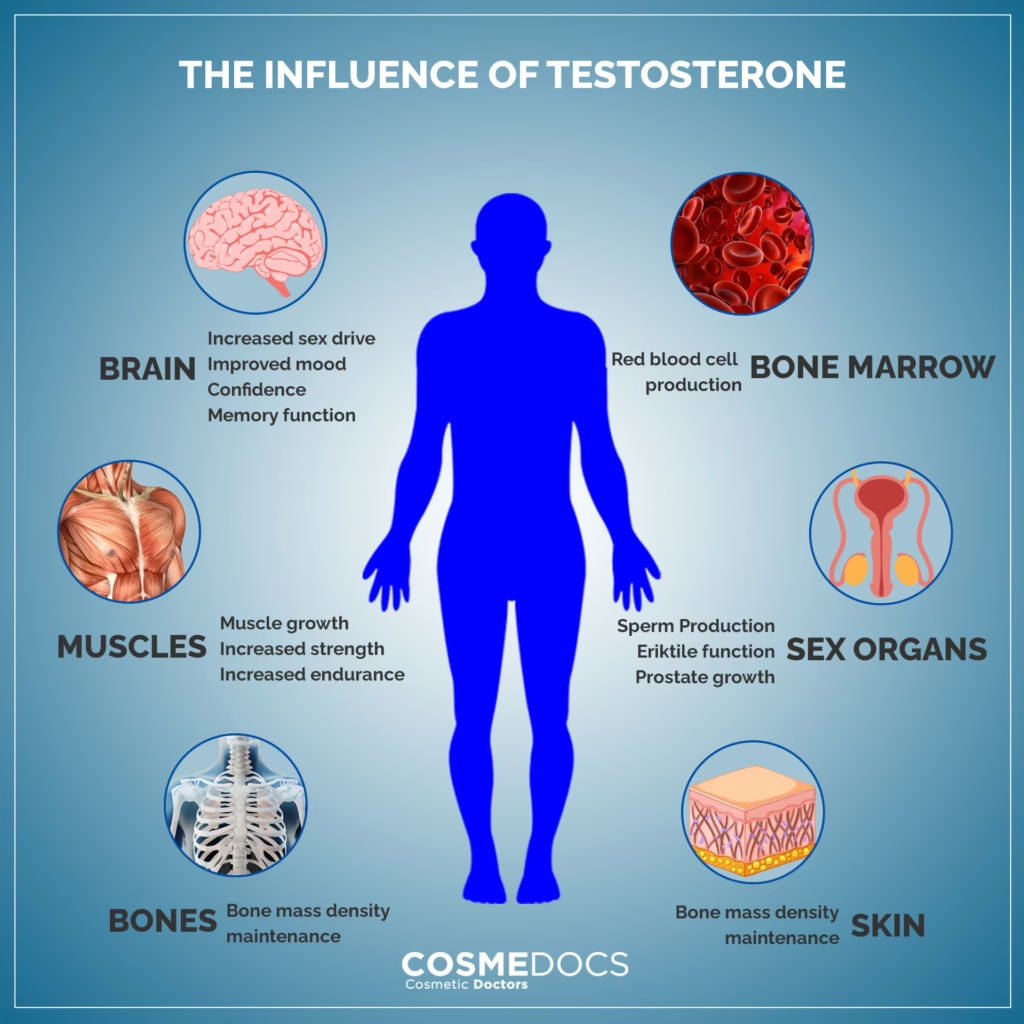
Testosterone, the primary male hormone, plays a vital role in numerous bodily functions. It’s responsible for developing male reproductive tissues, maintaining secondary sexual characteristics such as muscle mass and facial hair patterns, supporting bone density, and contributing to overall energy levels and mood regulation.
As Singapore’s male population continues to age, with projections showing a significant increase in men over 65 years in the next 25 years, understanding TRT becomes increasingly relevant.
General shopping ideas, independent of this article’s advice.
Swipe to compare products → Biofinest Effervescent Vitamin C 1000mg D3 Zinc Collagen Multivitamin Calcium Magnesium Zinc Tablets Drink Sugar FreeFrom S$5.95Biofinest Probiotic 50 Billion CFU Enzyme Supplement 12 + 3 Prebiotics – Diet Slimming Eczema Detox Men Women (60 caps)From S$22.40Estalife Magnesium Glycinate 1000MG | Heart, Bone, Muscle, Sleep, Mood Health | 60 Veg CapsFrom S$13.99
Prices may vary by option. Check the final price and delivery on Shopee.
This treatment offers a solution for those experiencing the effects of testosterone deficiency, which can significantly impact daily life and long-term health.
Understanding Testosterone Deficiency
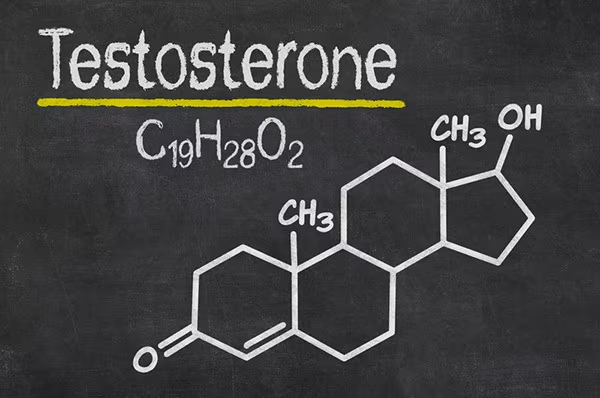
Testosterone Deficiency Syndrome, also known as hypogonadism, occurs when the body cannot produce adequate levels of testosterone.
This condition is characterized by the biochemical deficiency of testosterone and often reduced sperm production, both primary functions of the testes.
While declining testosterone levels are a natural part of the aging process (sometimes called andropause), deficiency can also occur at younger ages due to various medical conditions.
It’s important to note that testosterone deficiency is a medical condition that requires proper diagnosis and treatment.
Related article: Male Infertility in Singapore: Causes, Diagnosis, and Treatment Options
Symptoms of Low Testosterone
Identifying the symptoms of low testosterone is the first step toward seeking appropriate treatment.
A noticeable decline in sexual desire or interest in sexual activities, known as reduced sex drive, is often one of the earliest and most recognizable symptoms that men experience.
Erectile dysfunction may also occur, involving difficulty achieving or maintaining erections, though it’s important to understand that erectile dysfunction can have multiple causes beyond testosterone deficiency.
Physical changes become apparent as testosterone levels drop.
Men may notice decreased muscle mass, reduced muscle strength, decreased physical performance, and significant changes in body composition.
Read more: Erectile Dysfunction Treatment in Singapore
Reduced bone density is another serious consequence, as lower testosterone levels can lead to decreased bone mineral density, potentially increasing the risk of osteoporosis and fractures.
Emotional and cognitive symptoms often accompany the physical changes. Mood changes including irritability, depression, and mood swings may occur as testosterone levels decline.
Persistent fatigue, lack of energy, and decreased motivation are common complaints that significantly impact daily life.
Some men experience cognitive changes such as difficulty concentrating, short-term memory issues, and reduced mental clarity.
Additional physical manifestations include weight gain, particularly around the midsection, reduced body hair, and hot flashes.
In some cases, low testosterone can lead to mild anemia, which may contribute to the overall feeling of fatigue and weakness.
The severity and combination of these symptoms can vary significantly between individuals, and many symptoms can also be caused by other health conditions.
This is why proper medical evaluation is essential before pursuing testosterone replacement therapy.
You might be interested: Understanding Low Libido in Women: Causes, Treatment and Impact
Causes of Low Testosterone
Several factors can contribute to testosterone deficiency, with aging being the most common natural cause.
Testosterone levels naturally decline with age, typically beginning around age 30 and decreasing approximately 1 to 2% annually thereafter.
By age 50, many men may begin experiencing noticeable symptoms that impact their quality of life.
Various medical conditions can significantly affect testosterone production.
Type 2 diabetes, obesity, and thyroid disorders are among the most common health issues that interfere with normal hormone production.
Chronic liver or kidney disease can also impact testosterone levels, as can HIV/AIDS and various autoimmune conditions that affect the body’s hormone-producing systems.
Read more: Type 2 Diabetes Treatment in Singapore: Symptoms, Risks
Physical trauma and infections can have lasting effects on testosterone production.
Injury or infection affecting the testes, including damage from trauma, mumps infection, or other conditions, can permanently impair the body’s ability to produce adequate testosterone levels.
Cancer treatment presents particular challenges for hormone production.
Chemotherapy and radiation therapy, especially when used to treat prostate cancer, can significantly impact hormone levels both during treatment and for extended periods afterward.
Certain medications can also reduce testosterone levels as a side effect. Corticosteroids and hormones used to treat prostate cancer are particularly known for their impact on testosterone production.
Additionally, lifestyle factors including chronic stress, excessive alcohol consumption, and obesity can all contribute to lower testosterone levels, creating a cycle where poor health habits worsen hormone deficiency.
Understanding these underlying causes is crucial for both accurate diagnosis and effective treatment planning.
You might like: Diabetes Treatment in Singapore: Types, Risks
Diagnostic Process
Accurate diagnosis of testosterone deficiency is essential before beginning TRT. This typically involves:
Initial Consultation
The diagnostic process usually begins with a comprehensive discussion of symptoms and medical history, followed by a physical examination to identify potential signs of low testosterone.
Laboratory Testing
Blood tests are the primary method for confirming testosterone deficiency:
- Total Testosterone: Measures the overall amount of testosterone in the blood.
- Free Testosterone: Measures the unbound, biologically active testosterone.
- Bioavailable Testosterone: Measures testosterone that is not bound to sex hormone-binding globulin (SHBG).
For accurate results, these tests should typically be performed in the morning (before 10 AM) when testosterone levels are naturally highest. Multiple tests on different days may be necessary to confirm the diagnosis, as testosterone levels can fluctuate.
You might be interested: Menopause Treatment Singapore
Additional Assessments
Depending on the individual case, healthcare providers may recommend additional specialized tests to gain a complete understanding of the patient’s hormonal status.
Luteinizing hormone (LH) and follicle-stimulating hormone (FSH) tests help determine whether the cause is primary hypogonadism (originating in the testes) or secondary hypogonadism (originating in the brain’s signaling to the testes).
A complete blood count may be performed to check for anemia, which can be both a symptom and a complication of low testosterone.
The prostate-specific antigen (PSA) test is essential for assessing prostate health before beginning any hormone therapy.
If there are concerns about bone health, a bone density scan may be recommended to evaluate whether osteoporosis is present or developing.
Only after confirming consistently low testosterone levels through multiple tests and ruling out other potential causes for the patient’s symptoms would a healthcare provider recommend testosterone replacement therapy as an appropriate treatment option.
You might like: Endometriosis Treatment in Singapore
Treatment Options for TRT in Singapore
In Singapore, several forms of testosterone replacement therapy are available, each with its own advantages and considerations:
Testosterone Injections
Injections deliver testosterone directly into the muscle tissue, providing a sustained release over time.
- Administration: Typically given every 10-12 weeks
- Advantages: Convenient, less frequent dosing, reliable absorption
- Considerations: Requires medical visits for administration, potential for fluctuating hormone levels between injections
- Price: Approximately $381.50 per injection (inclusive of GST)
Testosterone Gel
Topical gels are applied directly to the skin, where the hormone is absorbed throughout the day.
- Administration: Applied daily to the arms, shoulders, or thighs
- Advantages: Steady hormone levels, non-invasive, user-controlled dosing
- Considerations: Daily application required, care must be taken to avoid transferring the gel to others through skin contact
- Price: Approximately $196.20 per box (lasting about one month)
Testosterone Patches
Adhesive patches deliver testosterone through the skin.
- Administration: Applied daily to non-genital skin areas
- Advantages: Steady hormone levels, non-invasive
- Considerations: May cause skin irritation, needs to be changed daily
- Price: Varies by brand and pharmacy
Oral Testosterone
These are pills that can either be swallowed or attached to the gum or inner cheek.
- Administration: Taken twice daily
- Advantages: Non-invasive, easy to administer
- Considerations: May affect liver function, more frequent dosing
- Price: Varies by brand and formulation
Testosterone Pellets
Small implants placed under the skin that slowly release testosterone.
- Administration: Surgically implanted, typically in the hip or buttock region
- Advantages: Long-lasting (3-6 months), steady hormone levels, no daily administration
- Considerations: Requires minor surgical procedure, cannot easily adjust dosage once implanted
- Price: Varies based on provider and number of pellets
The most appropriate form of TRT depends on individual factors such as lifestyle, preferences, medical history, and cost considerations. A healthcare provider will help determine the best option based on these factors.
Treatment Costs in Singapore
TRT costs in Singapore vary depending on the treatment method, healthcare provider, and whether insurance coverage applies:
| Treatment | Approximate Price (SGD) |
|---|---|
| Initial Consultation | From $27.25 |
| Testosterone Injection | $381.50 per injection |
| Testosterone Gel | $196.20 per box (monthly supply) |
| Other forms (patches, pellets, oral) | Varies by provider |
Prices are inclusive of GST and may vary between healthcare facilities
Insurance coverage for TRT varies significantly between providers. Patients are advised to check with their insurance companies regarding coverage details before beginning treatment.
Benefits of Testosterone Replacement Therapy
When properly administered to men with confirmed testosterone deficiency, TRT can provide numerous benefits:
Physical Benefits
Testosterone replacement therapy offers numerous physical benefits that can significantly improve quality of life.
Increased muscle mass and strength are among the most noticeable improvements, as TRT helps restore muscle tissue and improve overall physical strength, particularly when combined with regular exercise and resistance training.
Many men experience improved body composition through TRT, with reduced body fat especially in the abdominal area, along with increased lean muscle mass that contributes to a healthier overall physique.
Enhanced bone density is another crucial benefit, as testosterone strengthens bone tissue and may help reduce the risk of osteoporosis and fractures that become more common with age.
Increased energy levels represent one of the most life-changing benefits for many patients.
Significant improvements in vitality, stamina, and overall energy help men return to more active lifestyles and better performance in both work and recreational activities.
Sexual Health Benefits
Sexual health improvements are often among the most motivating factors for men seeking testosterone replacement therapy.
Improved libido is one of the most consistent benefits, with enhanced sexual desire and renewed interest in sexual activities being commonly reported outcomes.
Better erectile function may also result from TRT, though it’s important to note that testosterone replacement therapy is not specifically designed as a treatment for erectile dysfunction.
However, it may help improve erections in men whose erectile dysfunction is directly related to low testosterone levels rather than other underlying causes.
Enhanced fertility may occur in some cases, as TRT can help improve sperm production, though this outcome can vary significantly based on the underlying cause of low testosterone and individual patient factors.
Cognitive and Emotional Benefits
The mental and emotional benefits of testosterone replacement therapy can be just as significant as the physical improvements.
Improved mood is commonly reported, with many men experiencing reduced irritability, fewer mood swings, and decreased symptoms of depression that may have been related to their hormone deficiency.
Enhanced cognitive function often includes better concentration, improved memory, and increased mental clarity that help with both professional and personal activities.
Many patients report a greater overall sense of well-being, including improvements in quality of life, self-confidence, and general psychological well-being that extend far beyond the physical symptoms.
Timeline for Results
Understanding the typical timeline for experiencing benefits from TRT helps set realistic expectations. Results vary by individual, but generally follow this pattern:
Short-term (3-6 weeks)
- Sex Drive: Many men notice improvements in libido within 3-4 weeks, with maximum effect typically around the 6-week mark.
- Energy Levels: Enhanced energy and reduced fatigue often begin to appear within 4-8 weeks.
- Mood: Initial mood improvements may become noticeable around 6 weeks.
Medium-term (3-6 months)
- Body Composition: Changes in body composition, including reduced fat and increased muscle mass, typically emerge between the third and fourth month.
- Mood Stabilization: Full effects on mood typically manifest around the 6-month mark.
- Cognitive Function: Improvements in mental clarity and cognitive function generally develop over several months.
Long-term (6-12 months and beyond)
- Muscle Mass and Strength: Peak improvements typically occur at 6-12 months, with ongoing benefits with continued therapy and exercise.
- Bone Density: Significant improvements in bone mineral density may take a year or longer.
- Overall Health Markers: Improvements in various health parameters, such as insulin sensitivity and cardiovascular risk factors, may continue to develop over the long term.
It’s important to understand that TRT is not a quick fix but rather a long-term treatment approach. Individual results may vary based on age, initial testosterone levels, underlying health conditions, lifestyle factors, and treatment adherence.
Side Effects and Safety Considerations
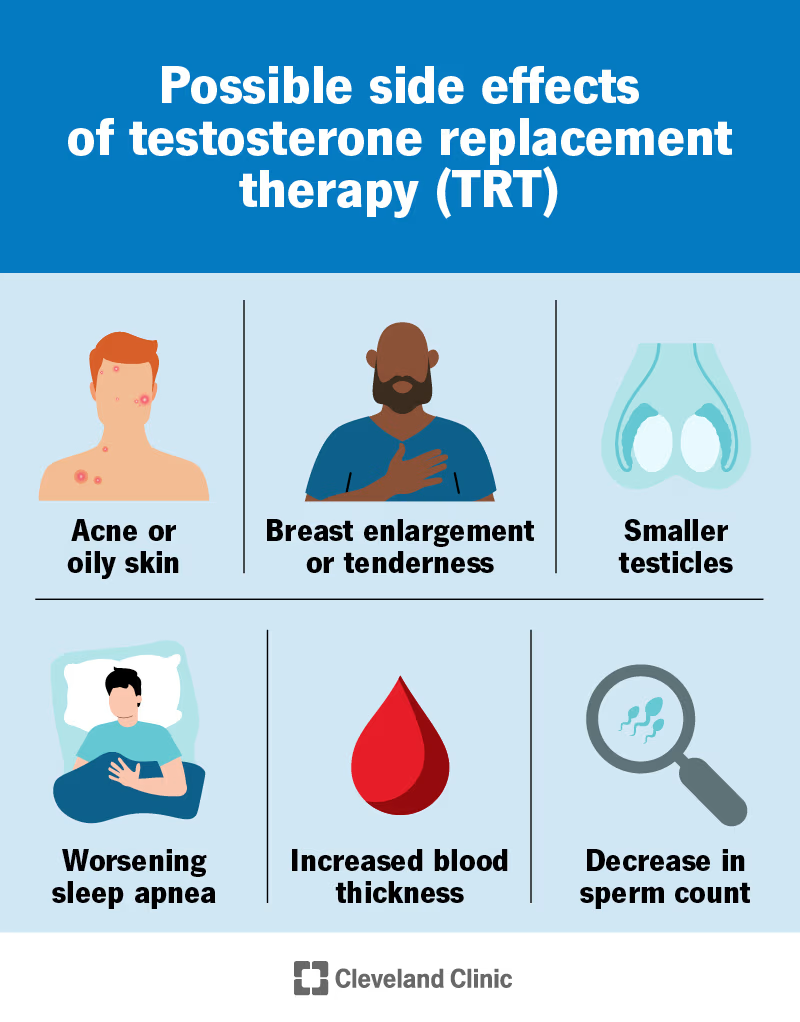
While TRT can provide significant benefits, it’s important to be aware of potential side effects and safety considerations:
Potential Side Effects
- Skin Issues: Acne, oily skin, or skin irritation (particularly with gels and patches)
- Fluid Retention: Some men experience mild edema (swelling)
- Sleep Apnea: Pre-existing sleep apnea may worsen in some cases
- Breast Enlargement: Gynecomastia (development of breast tissue) can occur in some men
- Testicular Shrinkage: Reduced testicular size may occur due to decreased sperm production
- Increased Red Blood Cell Count: This can potentially increase the risk of blood clots if not monitored
- Benign Prostate Enlargement: May cause or worsen urinary symptoms in some men
Safety Monitoring
To minimize potential risks and ensure optimal outcomes, regular monitoring is absolutely essential during testosterone replacement therapy.
Blood tests must be performed regularly to monitor testosterone levels, complete blood count, liver function, and PSA levels to detect any concerning changes early.
Physical examinations should be conducted periodically to assess prostate health, cardiovascular function, and other relevant body systems that could be affected by hormone therapy.
Ongoing symptom evaluation involves continuous assessment of both the benefits patients are experiencing and any potential side effects that may develop during treatment.
Contraindications
Testosterone replacement therapy may not be appropriate for men with certain medical conditions that could be worsened by hormone treatment.
Active cases of prostate or breast cancer typically contraindicate TRT, as these hormone-sensitive cancers could potentially be stimulated by increased testosterone levels.
Severe heart failure, particularly when uncontrolled, may be worsened by fluid retention that can be associated with testosterone replacement therapy.
Men with elevated red blood cell count or pre-existing polycythemia face increased clotting risks that make TRT potentially dangerous.
Severe urinary symptoms due to benign prostatic hyperplasia may worsen with testosterone therapy, making careful evaluation of prostate health essential before beginning treatment.
Prostate Cancer Considerations
A common concern about testosterone replacement therapy is its relationship with prostate cancer, though current evidence provides reassuring information about these risks.
Research suggests that TRT does not appear to increase the risk of developing prostate cancer in men who do not already have the disease.
However, TRT may potentially make pre-existing early prostate cancer more apparent by affecting PSA levels, which is why thorough screening before beginning therapy is crucial.
Interestingly, some research suggests that lower testosterone levels may actually be associated with more aggressive forms of prostate cancer, challenging previous assumptions about testosterone and cancer risk.
Regular prostate monitoring through PSA testing and prostate examinations remains an essential part of TRT safety protocols to ensure early detection of any concerning changes.
Long-Term Management
TRT is generally considered a long-term therapy, often continuing indefinitely once started. Successful management includes:
Ongoing Monitoring
Long-term success requires regular clinical follow-ups, typically scheduled every 3 to 6 months initially, then annually once hormone levels are stabilized and the patient is responding well to treatment.
Periodic blood tests are essential to assess testosterone levels and monitor for potential side effects that may develop over time.
Annual prostate examinations are particularly important for men over 40 to ensure early detection of any prostate-related changes.
Lifestyle Optimization
Testosterone replacement therapy works best when combined with healthy lifestyle practices that support overall hormonal health.
Regular exercise, particularly resistance training, helps maximize the muscle and bone benefits of TRT while supporting natural hormone production.
Balanced nutrition should emphasize adequate protein intake, healthy fats, plenty of fruits and vegetables, and whole grains to support the body’s response to hormone therapy.
Effective stress management through practices like meditation, ensuring adequate sleep, and maintaining work-life balance helps optimize hormone function.
Limited alcohol consumption is important because excessive alcohol can interfere with hormone balance and reduce the effectiveness of treatment.
Maintaining a healthy weight is crucial since obesity can contribute to testosterone deficiency and may counteract some benefits of therapy.
Adherence to Treatment Protocol
Consistency with the prescribed treatment regimen is essential for achieving and maintaining the benefits of testosterone replacement therapy.
This includes following dosing schedules precisely, attending all scheduled monitoring appointments, and communicating any concerns or side effects to healthcare providers promptly.
Comprehensive FAQ Section
What is Testosterone Deficiency Syndrome?
Testosterone Deficiency Syndrome, also known as hypogonadism, is a condition characterized by insufficient production of testosterone in men.
It can occur due to aging (sometimes called andropause) or because of other medical conditions such as type 2 diabetes, obesity, infections, or autoimmune diseases.
This condition is diagnosed through a combination of symptom assessment and blood tests showing consistently low testosterone levels.
How do I know if I have low testosterone?
Common symptoms of low testosterone include reduced sex drive, erectile difficulties, decreased muscle mass, increased body fat, fatigue, mood changes like irritability or depression, and reduced mental focus.
However, many of these symptoms can also be caused by other conditions.
If you’re experiencing these symptoms, particularly if you’re over 50, it’s advisable to consult a healthcare provider who can order appropriate blood tests to check your testosterone levels.
At what age should men consider testing for low testosterone?
There’s no specific age when testing should begin, as testosterone deficiency can occur at various ages. However, since testosterone naturally declines with age, men over 50 experiencing symptoms of low testosterone may want to consider testing. Younger men with symptoms or specific risk factors such as testicular injuries, chronic illnesses, or certain medications should also consider testing. The decision should be based on symptoms rather than age alone.
How is testosterone testing conducted?
Testosterone testing involves blood samples, preferably taken in the morning (before 10 AM) when levels are naturally highest.
Tests typically measure total testosterone, and sometimes free or bioavailable testosterone.
Multiple tests on different days are often necessary to confirm a diagnosis, as testosterone levels can fluctuate significantly.
Your doctor may also order additional blood tests to rule out other causes of symptoms or to determine the underlying cause of low testosterone.
What are the different types of TRT available in Singapore?
In Singapore, several forms of TRT are available:
- Testosterone injections (typically administered every 10-12 weeks)
- Testosterone gel (applied daily to the skin)
- Testosterone patches (attached to the skin and changed daily)
- Oral testosterone (pills that can be swallowed or attached to the gum/inner cheek)
- Testosterone pellets (implants placed beneath the skin that last 3-6 months)
Each method has different advantages in terms of convenience, cost, and hormone stability. Your healthcare provider will recommend the most appropriate option based on your specific needs and preferences.
How long does it take to see results from TRT?
TRT results appear gradually and vary by individual. Generally, improvements in libido and mood may begin within 3-6 weeks of starting treatment.
Energy levels typically improve within 4-8 weeks. Changes in body composition, including increased muscle mass and reduced fat, usually become noticeable around 3-4 months.
Some benefits, such as increased bone density, may take 6-12 months or longer to fully develop.
It’s important to understand that TRT is a long-term treatment, and patience is required to experience the full range of benefits.
Is TRT covered by insurance in Singapore?
Insurance coverage for TRT varies significantly among providers in Singapore.
Some insurance plans may cover TRT if it’s deemed medically necessary based on diagnosed testosterone deficiency, while others may not cover it or may only partially cover the costs.
It’s advisable to check directly with your insurance provider regarding coverage details before beginning treatment.
Some factors that may affect coverage include the specific diagnosis, the type of TRT prescribed, and your insurance policy terms.
Does TRT affect fertility?
TRT can potentially reduce fertility by suppressing natural testosterone and sperm production.
For men concerned about fertility, it’s important to discuss this with their healthcare provider before starting TRT.
In some cases, alternative treatments like human chorionic gonadotropin (hCG) may be recommended to maintain fertility while addressing testosterone deficiency.
Men planning to have children in the future should have a thorough discussion about fertility preservation options before beginning TRT.
Can TRT help with erectile dysfunction?
TRT may improve erectile function in men whose erectile dysfunction (ED) is specifically related to low testosterone levels.
However, it’s important to understand that ED often has multiple causes, including vascular problems, neurological issues, psychological factors, and medication side effects.
TRT is not specifically a treatment for ED and won’t resolve erectile problems if they’re primarily caused by factors other than testosterone deficiency.
Men experiencing ED should undergo comprehensive evaluation to determine the underlying cause, which may require different or additional treatments beyond TRT.
Are there natural ways to boost testosterone?
Several lifestyle modifications may help naturally support testosterone levels:
- Regular exercise, particularly resistance training
- Maintaining a healthy weight
- Adequate sleep (7-9 hours per night)
- Stress management techniques
- Balanced nutrition, including sufficient protein, healthy fats, and micronutrients like zinc and vitamin D
- Limiting alcohol consumption
While these approaches may help optimize natural testosterone production, they typically won’t resolve significant testosterone deficiency that requires medical treatment.
They’re best viewed as complementary strategies to support overall hormonal health, whether used alongside TRT or as preventive measures.
How does TRT affect prostate health?
The relationship between TRT and prostate health has been extensively studied.
Current evidence suggests that TRT does not increase the risk of developing prostate cancer.
However, it may affect prostate-specific antigen (PSA) levels and potentially make pre-existing, undiagnosed prostate cancer more apparent.
Interestingly, some research indicates that low testosterone levels may actually be associated with more aggressive forms of prostate cancer.
TRT may cause or worsen symptoms related to benign prostatic hyperplasia (enlarged prostate) in some men. Regular monitoring of prostate health through PSA testing and digital rectal examinations is an essential part of TRT management, particularly for men over 40 or those with existing prostate concerns.
Is TRT a lifelong commitment?
In most cases, TRT is considered a long-term or lifelong treatment. When testosterone deficiency is age-related (andropause), the condition is typically permanent as the body’s natural production continues to decline with age.
Discontinuing TRT usually results in testosterone levels returning to their previous low state, with a gradual return of symptoms.
In some cases where testosterone deficiency is caused by temporary factors (such as certain medications, extreme weight loss, or excessive exercise), TRT might be temporary.
Your healthcare provider will discuss the expected duration of treatment based on your specific situation and underlying cause of testosterone deficiency.
How often do I need medical check-ups while on TRT?
During the initial phase of testosterone replacement therapy, more frequent monitoring is typically recommended to ensure patient safety and treatment effectiveness.
The first follow-up appointment is usually scheduled 4 to 6 weeks after starting treatment, allowing healthcare providers to assess initial response and make any necessary adjustments to the treatment protocol.
Subsequent follow-ups are typically scheduled every 3 to 6 months during the first year of treatment, as this period requires closer observation to optimize dosing and monitor for potential side effects.
Once stable and optimal testosterone levels are achieved, monitoring frequency may decrease to every 6 to 12 months, depending on individual patient response and risk factors.
These regular check-ups typically include comprehensive blood tests to measure testosterone levels and ensure they remain within the target therapeutic range.
A complete blood count is performed to monitor red blood cell levels, as TRT can sometimes cause increases that may require attention.
Liver function tests are conducted to ensure the therapy is not adversely affecting liver health, while PSA testing is essential for men over 40 to monitor prostate health.
Each appointment includes a thorough physical examination and a detailed review of symptoms and benefits the patient is experiencing.
The specific monitoring schedule may vary based on individual risk factors, response to treatment, and the particular type of TRT being used.
Can women undergo testosterone therapy?
While testosterone is primarily considered a male hormone, women also produce small amounts of testosterone in their ovaries and adrenal glands as part of their normal hormonal profile.
Some women may experience symptoms related to testosterone deficiency, particularly after menopause or following surgical removal of the ovaries, which can significantly impact their quality of life.
In Singapore, as in many countries around the world, testosterone therapy for women is not as well-established or widely practiced as it is for men.
The research and clinical experience with female testosterone replacement is more limited, requiring specialized expertise and careful consideration.
When testosterone therapy is prescribed for women, it’s typically administered at much lower doses than those used for men, reflecting the different hormonal needs and sensitivities of female physiology.
This treatment may be used to address specific issues such as reduced sexual desire, persistent fatigue, and reduced bone density that can significantly impact women’s health and well-being.
Women considering testosterone therapy should consult with healthcare providers who are specifically knowledgeable about female hormonal health, as the benefits, risks, and optimal treatment approaches differ significantly from those used for men.
This specialized care ensures that treatment is both safe and effective for female patients.
What lifestyle changes should accompany TRT?
To maximize the benefits of testosterone replacement therapy and minimize potential side effects, several important lifestyle adjustments are strongly recommended as part of a comprehensive treatment approach.
egular exercise should include both resistance training to build and maintain muscle mass and cardiovascular exercise to support heart health and overall fitness.
Maintaining a nutritious diet is essential and should be rich in lean proteins to support muscle development, healthy fats for hormone production, and plenty of fruits, vegetables, and whole grains for overall nutritional balance.
Adequate sleep of 7 to 9 hours of quality sleep per night is crucial, as poor sleep can interfere with hormone production and the effectiveness of TRT.
Effective stress management through practices such as mindfulness, meditation, or other relaxation techniques helps optimize hormone balance and overall well-being.
Limited alcohol consumption is important because excessive alcohol can negatively affect hormone metabolism and reduce the benefits of therapy.
Weight management plays a crucial role, as maintaining a healthy weight helps optimize hormone balance and enhances the effectiveness of treatment.
Finally, treatment adherence by consistently following the prescribed TRT regimen is essential for achieving and maintaining optimal results.
These lifestyle modifications work synergistically with TRT to enhance its effectiveness and contribute to overall health and well-being beyond just hormone replacement.
How does TRT interact with other medications?
Testosterone replacement therapy can potentially interact with several types of medications, making it essential for patients to inform their healthcare providers about all medications they are taking.
Blood thinners or anticoagulants may have enhanced effects when combined with TRT, potentially increasing bleeding risk and requiring careful monitoring and possible dosage adjustments.
Corticosteroids used in combination with TRT may increase the risk of fluid retention and edema, which can be particularly concerning for patients with heart or kidney conditions.
Insulin and oral diabetes medications may require adjustment when starting TRT, as testosterone replacement may improve insulin sensitivity and potentially affect blood sugar control.
Medications that affect liver function may interact with certain forms of testosterone, particularly oral preparations that are processed through the liver.
These interactions can affect both the metabolism of testosterone and the other medications involved.
It’s absolutely essential to provide your healthcare provider with a complete and detailed list of all medications, supplements, and herbal products you’re taking before starting TRT.
This comprehensive medication review allows for appropriate monitoring and adjustment of medications if necessary to prevent harmful interactions.
Never adjust medication dosages on your own without consulting your healthcare provider, as changes in hormone levels can significantly affect how other medications work in your body.t consulting your healthcare provider.
What are the costs of long-term TRT in Singapore?
The long-term costs of testosterone replacement therapy in Singapore vary significantly based on several factors, including the chosen treatment method, frequency of medical consultations, and the extent of laboratory testing required.
Understanding these costs is important for making informed treatment decisions.
Injectable testosterone therapy costs approximately $1,150 to $1,550 per year, based on injections administered every 10 to 12 weeks as is typically prescribed.
Testosterone gel application, which requires daily use, costs approximately $2,350 to $2,750 per year, reflecting the higher frequency of medication needed.
Medical consultations typically cost between $100 to $300 per year, depending on the frequency of visits required and the complexity of monitoring needed for individual patients.
Laboratory tests, which are essential for safe TRT management, cost approximately $200 to $500 per year, depending on the frequency of testing and the specific tests required based on individual risk factors.
These figures are approximate estimates and can vary significantly between different healthcare providers, treatment protocols, and individual patient needs.
Some costs may be offset by insurance coverage, depending on your specific policy and the medical necessity of treatment.
When considering TRT as a treatment option, it’s advisable to discuss the full cost implications with your healthcare provider to understand the total financial commitment involved.
Additionally, checking with your insurance company regarding coverage options can help you plan for the long-term financial aspects of testosterone replacement therapy.insurance company regarding coverage options.
General shopping ideas, independent of this article’s advice.
Swipe to compare products →Biofinest Gummy Vitamin Supplement – Beauty Energy Sleep Metabolism Men Women Kids Probiotics Multivitamin (60 Gummies)From S$17.95Tradishot Immunity Boost Drink | Turmeric Shot (Extra Strength) | Boost Immunity Energy & Well-being [7x35mL]S$38.00Optimum Nutrition, Gold Standard, 100% Whey Protein Powder, 2lbs (907g ) / 5 lbs (2.27 kg) / 10 lbs (4.54 kg)From S$82.89Prices may vary by option. Check the final price and delivery on Shopee.