What is Moxibustion?
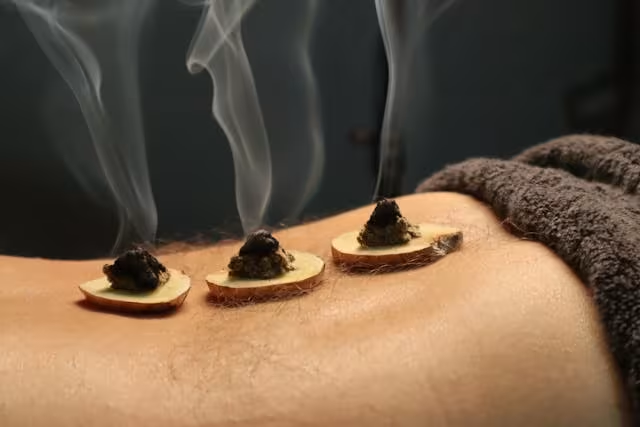
Moxibustion is an ancient Traditional Chinese Medicine (TCM) therapy that involves burning moxa—a substance created from dried mugwort (Artemisia vulgaris or Ai Ye in Pin Yin)—on or near specific acupuncture points or affected areas of the body.
Dating back over 2,500 years, this time-honored practice generates therapeutic heat that penetrates deeply into the body, stimulating circulation and promoting healing.
General shopping ideas, independent of this article’s advice.
Swipe to compare products → TCM Hair Tonic《保健堂》古方护发水 (100ml)S$103.00✨Medicated Pain Relief Plaster✨ Original TCM FormulaS$3.70Zappy Postpartum Body Wipes 20 Sheets Resealable (Ginger infused with TCM Extract)From S$26.80
Prices may vary by option. Check the final price and delivery on Shopee.
In TCM philosophy, moxibustion works by warming the meridians (energy pathways), stimulating the flow of Qi (vital energy), dispelling cold and dampness, and strengthening the immune system.
This gentle heat therapy is often used alongside acupuncture to enhance overall treatment efficacy.
Read more: Best TCM Clinic in Singapore (Sort by Reviews)
The Historical Background of Moxibustion
Moxibustion originated during the Han Dynasty (206 BC-220 AD) and was first documented in the Huangdi Neijing (Yellow Emperor’s Classic of Internal Medicine), a foundational text of Traditional Chinese Medicine.
Throughout history, this practice has evolved and refined into various techniques while maintaining its core principles of balancing energies within the body.
For centuries, moxibustion has been an integral component of Asian medical systems.
In Singapore, as TCM gains increasing recognition for its therapeutic benefits, moxibustion has emerged as a popular complementary treatment option for various health concerns.
This might help: Best TCM Clinic in JB for Singaporeans
How Moxibustion Works
Moxibustion operates on the fundamental TCM principle that many health issues stem from imbalances in the body’s energy system.
According to TCM theory, health problems often arise from Qi blockages in meridian channels, cold invasions in the body, stagnation of blood flow, and imbalances between Yin and Yang energies.
The heat generated from burning moxa stimulates specific acupuncture points, which invigorates Qi circulation throughout the meridian system. This warming effect dispels cold and dampness while promoting blood circulation to relieve stagnation.
Additionally, the therapy strengthens the body’s defensive energy and helps restore balance between Yin and Yang forces within the body.
You might like: Acupuncture in Singapore: Types, Benefits
Types of Moxibustion Techniques
Direct Moxibustion
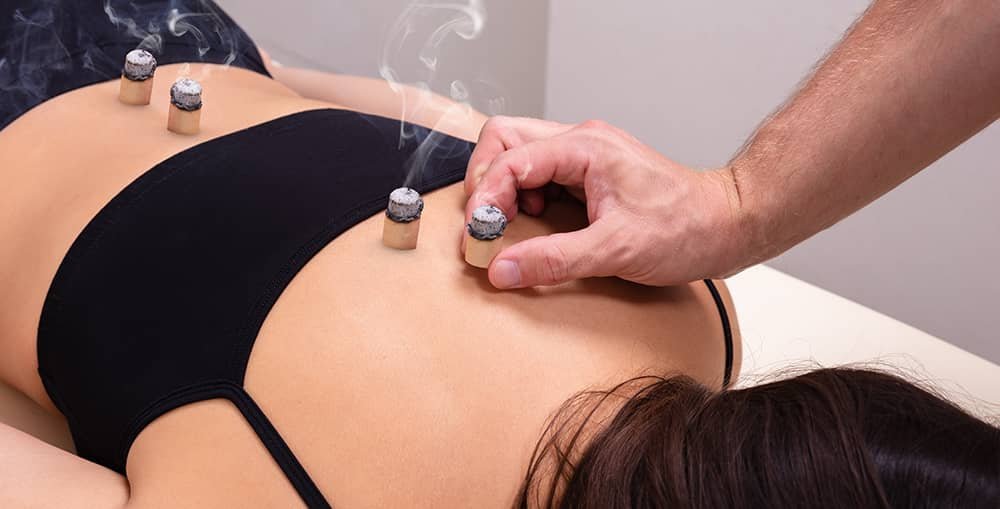
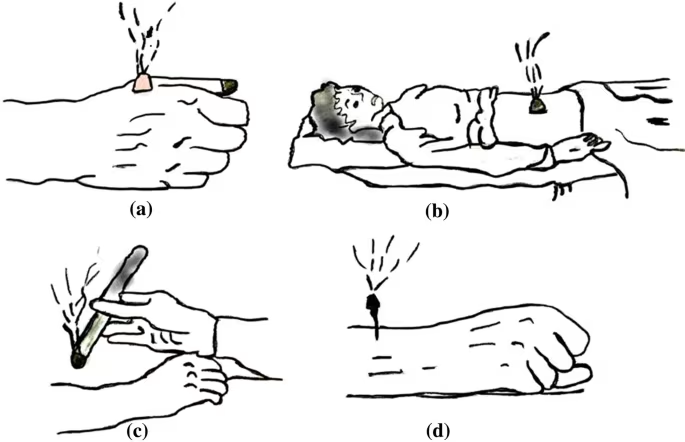
In direct moxibustion, small cones of moxa are placed directly on the skin and ignited. This technique comes in two forms:
Scarring Moxibustion: The moxa burns directly on the skin until it leaves a small scar. Though historically used for treating chronic conditions, this technique is less common in modern practice due to its invasive nature.
Non-Scarring Moxibustion: The moxa is placed on the skin but removed before it burns completely, preventing scarring. Practitioners carefully monitor the heat intensity and remove the moxa when the patient feels warmth without discomfort.
Related article: Cupping Therapy in Singapore: Types, Benefits
Indirect Moxibustion
Indirect moxibustion is more widely practiced in Singapore and includes several variations:
Moxa Sticks: Practitioners light a cigar-shaped moxa stick and hold it approximately 3-4cm away from the treatment area. The stick is moved in circular or back-and-forth motions to warm the area without burning the skin.
Moxa Boxes: A box containing burning moxa is placed over specific acupuncture points, providing steady, controlled heat to the treatment area.
Needle Moxibustion: After inserting acupuncture needles, practitioners place a small amount of moxa on the needle handles and ignite it. The heat travels down the needles, delivering deeper warmth to acupuncture points.
Related article: Tuina Massage in Singapore: Benefits and Methods
Heat Lamp Moxibustion
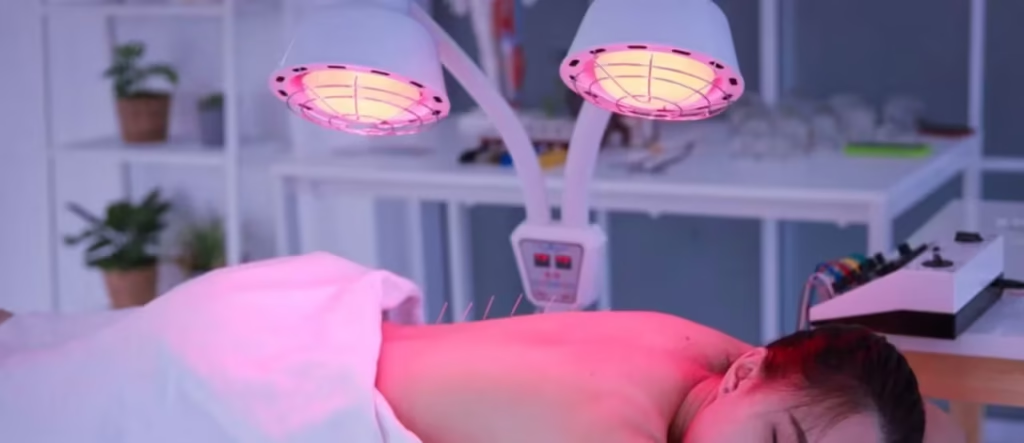
This modern adaptation uses infrared heat lamps to apply indirect heat to acupuncture points, offering:
- Easy temperature control
- Non-invasive treatment suitable for heat-sensitive patients
- Less targeted stimulation compared to traditional methods
Mud Moxibustion
A specialized technique combining heated mud with moxibustion principles to:
- Stimulate circulation
- Reduce inflammation
- Promote deep relaxation
- Detoxify the body
- Provide mineral absorption through the skin
Benefits of Moxibustion
Moxibustion offers numerous health benefits for various conditions:
Pain Relief
Moxibustion serves as an effective complementary treatment for acute pain (neck and shoulder pain), chronic pain conditions (arthritis, fibromyalgia, sciatica), lower back pain, joint pain and stiffness, tendon strain, tennis elbow, and muscle tension.
The warming effect helps relax muscles, improve blood flow to affected areas, and reduce inflammation, resulting in significant pain reduction.
Read more: TCM Pain Management in Singapore: A Holistic Approach to Chronic Pain Relief
Improved Circulation
The heat generated during moxibustion enhances blood flow throughout the body, which may accelerate healing processes, reduce inflammation, improve oxygen delivery to tissues, benefit conditions related to poor circulation (such as cold hands and feet), and enhance overall energy levels.
Digestive Health
Moxibustion can effectively address various digestive issues by warming the meridians associated with digestive organs.
This includes bloating and gas, constipation, diarrhea, irritable bowel syndrome, indigestion, stomach pain, and improving spleen and stomach function.
The therapy helps strengthen the digestive system and alleviates symptoms related to “Cold” conditions in TCM diagnosis.
Related article: TCM Weight Management Singapore
Women’s Health
Moxibustion offers significant benefits for women’s health issues including regulating menstrual cycles, alleviating menstrual cramps and PMS symptoms, supporting fertility (especially for “Cold Womb Syndrome”), providing pre and post IUI/IVF support, managing menopausal symptoms, supporting breast health (including breast dysplasia), and balancing female hormones.
Pregnancy Support
Moxibustion is particularly notable for turning breech babies (applied specifically on the toes), preparing the body for labor, and supporting postpartum recovery.
Male Health
Men can also benefit from moxibustion treatments for reproductive issues, sperm motility and morphology, erectile dysfunction, prostate health, hormonal balance, and chronic male-specific health issues.
Read more: TCM Fertility Treatments in Singapore
Cancer Treatment Recovery
As a complementary therapy, moxibustion may help manage cancer-related fatigue, treatment side effects, pain associated with cancer treatments, digestive issues like nausea, anxiety during cancer treatment, and overall quality of life during cancer recovery.
General Wellbeing
Regular moxibustion sessions may contribute to a strengthened immune system, reduced risk of illnesses, improved energy levels, stress reduction, better sleep quality, enhanced mental clarity, and balanced emotional state.
The Moxibustion Treatment Process
Initial Consultation
Your first visit to a TCM practitioner in Singapore typically includes a detailed discussion of your health concerns and goals, comprehensive medical history intake, traditional TCM diagnostic methods (pulse and tongue diagnosis), explanation of the treatment plan, and addressing any questions or concerns.
Preparation
Before the moxibustion treatment begins, you’ll be comfortably positioned on a treatment bed, the treatment area will be exposed (common areas include the stomach, lower abdomen, lower back, and legs), and the practitioner will explain what to expect during the session.
Application of Moxa
The core treatment involves lighting the moxa stick or preparing moxa cones, applying the moxa near specific acupuncture points on your body, possibly combining with acupuncture for enhanced effects, and adjusting the distance and duration based on your sensitivity and condition.
Monitoring
Throughout the session, the practitioner carefully monitors the heat intensity, makes adjustments as necessary to ensure comfort, typically applies the moxa for 15-30 minutes depending on your condition, and checks regularly to ensure the treatment is comfortable.
Completion
At the end of your session, the skin may appear pink and feel warm (a normal response), you’ll receive aftercare instructions, the practitioner may advise against showering or swimming immediately after treatment, and follow-up sessions will be scheduled as needed.
Safety and Contraindications
Is Moxibustion Safe?
When performed by qualified TCM physicians with professional training and experience, moxibustion is generally safe with minimal side effects. Most patients report a pleasant warming sensation that penetrates deeply into the skin without discomfort.
Medical Contraindications
Moxibustion should be avoided if you have conditions such as hypertension, hyperthyroidism, if you’re taking blood thinners or anti-seizure medications, cancer (certain types), blood clots, liver or kidney disease, high fever or infection, during pregnancy (except for specific points used for breech presentation), or if you have damaged or inflamed skin in the treatment area. Always consult your doctor before proceeding with moxibustion if you have any medical concerns.
Specialized Moxibustion Treatments in Singapore
Fertility Treatment
Moxibustion is widely used in Singapore for fertility support, offering targeted therapeutic benefits for reproductive health.
This treatment effectively addresses Cold Womb Syndrome, which is considered a common cause of infertility in Traditional Chinese Medicine.
Moxibustion helps regulate menstrual cycles, enhances blood flow to reproductive organs, and provides valuable support during IUI and IVF procedures by optimizing the body’s receptivity to conception.
Pregnancy Treatment
Specific applications for pregnancy include several important therapeutic uses that support maternal and fetal health.
Moxibustion is notably effective for turning breech babies through specialized treatment applied to the toes, typically performed between 33-36 weeks of pregnancy.
The therapy also supports maternal energy throughout pregnancy and helps prepare the body for labor by strengthening vital energy and promoting optimal positioning for delivery.
Pain Management
Customized moxibustion sessions offer significant relief for various chronic pain conditions.
The treatment effectively addresses arthritis and joint pain, fibromyalgia, lower back pain, and neck and shoulder tension.
Moxibustion is also beneficial for treating sports injuries by promoting circulation and reducing inflammation in affected tissues.
Digestive Health Treatment
Targeted treatments focus on improving digestive function and alleviating symptoms of gastrointestinal disorders.
Moxibustion addresses what Traditional Chinese Medicine identifies as “coldness” in the digestive system while strengthening spleen and stomach energy.
This approach helps restore proper digestive function and supports overall gastrointestinal health.
The Moxibustion Experience
What Does Moxibustion Feel Like?
The main sensation during moxibustion is a gentle, penetrating warmth that most patients find deeply relaxing.
The experience is characterized by comfortable warmth without burning, a soothing effect on tense muscles, and a quality that is both energizing yet calming.
This unique combination of sensations contributes to the therapeutic effectiveness of the treatment.
Does Moxibustion Hurt?
Moxibustion should not be painful when performed correctly by a qualified practitioner.
You may experience a warming sensation, mild tingling, a feeling of heat penetrating deeply, and relaxation in the treated area.
If you experience any discomfort, it’s important to inform your practitioner immediately so they can adjust the treatment to ensure your comfort and safety.
Session Duration
Typically, moxibustion sessions last approximately 20-30 minutes, though this duration may vary depending on several factors.
The length of treatment depends on your specific condition, the treatment area being addressed, whether moxibustion is combined with other therapies, and your individual response to the treatment.
Your practitioner will determine the optimal session length based on your unique needs.
Post-Treatment Effects
After moxibustion, many people report significant positive changes in how they feel.
Common benefits include increased energy levels, improved circulation that often manifests as warmer extremities, reduced pain, and an enhanced sense of wellbeing.
Many patients also experience deep relaxation and calm, better sleep quality, and improved digestion as their body integrates the therapeutic effects of the treatment.
Combining Moxibustion with Other Treatments
Moxibustion works exceptionally well as part of a comprehensive TCM approach. In Singapore, practitioners often combine it with:
Acupuncture
Moxibustion and acupuncture are natural partners in Traditional Chinese Medicine practice.
Moxibustion can warm channels before needle insertion, preparing the body for acupuncture treatment.
The heat from moxibustion enhances the effects of acupuncture, and the combined approach addresses both energy and structural imbalances comprehensively.
Massage
Therapeutic massage paired with moxibustion offers enhanced benefits including deeper muscle relaxation, enhanced circulation, more comprehensive pain relief, and treatment that addresses both superficial and deep tissue issues.
This combination provides a holistic approach to physical wellness and recovery.
Herbal Medicine
The synergistic effects of combining moxibustion with herbal formulas create powerful therapeutic outcomes.
This approach provides both internal and external treatment methods, reinforces healing mechanisms throughout the body, and comprehensively addresses underlying imbalances that contribute to health concerns.
The combination leverages the strengths of multiple Traditional Chinese Medicine modalities for optimal results.
The 4-Step Moxibustion Process in Singapore
Many specialized clinics in Singapore offer a comprehensive moxibustion approach:
Step 1: Essential Oil Application
Treatment begins with the application of therapeutic essential oils:
- Often formulated with multiple natural herbs (up to 23 different types)
- Generates mild heat to prepare the area
- Enhances blood circulation
- Creates the foundation for deeper treatment
Step 2: Mineral Stone Detoxification
BianStone or other mineral stones are used to:
- Generate positive energy
- Stimulate deeper muscle layers
- Achieve detoxification effects
- Prepare channels for moxibustion
Step 3: TCM Mineral Mud Application
Specialized mineral mud rich in trace elements:
- Helps detoxify the body
- Improves nutrition absorption
- Reduces pain
- Promotes metabolism and blood circulation
- Acts as a focal point for the beneficial effects of the subsequent moxibustion
Step 4: Pure Moxa Stick Application
The core moxibustion treatment:
- Produces comprehensive warming of Qi in meridians
- Enhances holistic wellbeing
- Improves vitality and blood circulation
- Promotes greater overall health
- Moisturizes the skin as a secondary benefit
Frequently Asked Questions
What is the difference between moxibustion and acupuncture?
Moxibustion uses heat from burning moxa to stimulate acupoints, while acupuncture involves inserting thin needles into specific points on the body.
Both therapies aim to balance Qi and promote healing but use different methods.
While acupuncture works through direct stimulation of points, moxibustion uses heat to influence energy flow. Many practitioners use both techniques complementarily for enhanced therapeutic effects.
How many moxibustion sessions will I need?
The number of sessions varies depending on your condition and individual response to treatment.
For acute conditions, you might see improvements in 4-6 sessions. Chronic conditions typically require a longer treatment course, often 8-12 sessions.
Maintenance treatments might be recommended monthly after initial improvement. Your TCM physician will develop a personalized treatment plan based on your specific health needs.
How often should I receive moxibustion treatments?
For general wellness, monthly sessions are typically recommended. For specific conditions, treatments may be more frequent—acute conditions may require 2-3 times per week, chronic conditions typically need 1-2 times per week initially, then decreasing frequency.
Preventative care might involve sessions once every 2-4 weeks, while seasonal support treatments are often recommended at the change of seasons.
Are there any side effects of moxibustion?
Moxibustion is generally safe when performed by qualified practitioners.
Potential minor side effects include temporary skin redness (expected and beneficial), mild blistering (rare and only with direct moxibustion), temporary skin sensitivity, and the smell of moxa (which some people find strong).
Serious adverse effects are extremely rare when treatment is performed by trained professionals.
Can moxibustion be combined with Western medical treatments?
Yes, moxibustion can complement conventional medical treatments. Many patients in Singapore use moxibustion alongside Western medicine for conditions like:
- Chronic pain management
- Cancer treatment side effects
- Fertility treatments
- Digestive disorders
Always inform both your conventional doctor and TCM practitioner about all treatments you’re receiving.
Is moxibustion suitable for children?
Modified moxibustion techniques can be suitable for children under professional supervision.
Practitioners typically use gentler methods, shorter treatment times, and indirect techniques.
Moxibustion may help with pediatric issues such as digestive problems, weakened immunity, bed-wetting, asthma, and sleep disturbances.
What should I wear to a moxibustion session?
Wear loose, comfortable clothing that can be easily adjusted to expose treatment areas.
Cotton clothing is preferable. Many clinics provide appropriate gowns or draping. Avoid synthetic fabrics that might be flammable or melt with heat exposure.
Can I eat before a moxibustion treatment?
It’s best to avoid heavy meals right before treatment, but a light meal is acceptable.
Don’t come on an empty stomach as this might make you feel lightheaded during treatment. Stay well-hydrated before and after your session for optimal results.
What qualifications should I look for in a moxibustion practitioner in Singapore?
In Singapore, look for practitioners with TCM Physician accreditation from the Singapore Traditional Chinese Medicine Practitioners Board, formal education in TCM from recognized institutions, specific training in moxibustion techniques, experience treating your specific condition, and good reviews and recommendations.
How much does moxibustion treatment cost in Singapore?
Treatment costs vary depending on the clinic, practitioner experience, and whether moxibustion is standalone or combined with other therapies.
Basic moxibustion sessions typically range from SGD $60-100, while treatments combined with acupuncture may cost SGD $80-150.
Specialized treatments for fertility or pain management can range from SGD $100-200, and comprehensive packages for multiple sessions generally cost between SGD $300-800. Many clinics offer package deals for multiple sessions.
Conclusion
Moxibustion represents a valuable therapeutic approach within Traditional Chinese Medicine that continues to benefit many patients in Singapore.
From pain management to fertility support, this ancient healing art offers gentle yet effective treatment for numerous health concerns.
As interest in complementary and holistic health approaches grows, moxibustion provides a bridge between traditional wisdom and contemporary wellness needs.
When performed by qualified practitioners, this time-tested therapy can be an excellent addition to your health maintenance routine or a valuable support for specific health challenges.
If you’re considering moxibustion treatment in Singapore, consult with a registered TCM physician who can assess your individual needs and develop a personalized treatment plan that harnesses the full therapeutic potential of this remarkable healing tradition.
General shopping ideas, independent of this article’s advice.
Swipe to compare products →Kidney Supplement | Thong Chai TCM |Bu Shen Yi Jing | Vital Energy & Essence Tonic– Replenish Qi, Yin-Yang Balance 补肾益精From S$58.00TCM Qi-Booster Tonic Soup《保健堂》补气养生汤S$48.00Upgraded Steam Spa Eye Mask TCM Formula | Heat pack | Heat Pad | Warmer | Sleep Mask | Eye PackS$0.35Prices may vary by option. Check the final price and delivery on Shopee.