

Traditional Chinese Medicine (TCM) pediatric massage, also known as pediatric Tuina, is gaining recognition in Singapore as a gentle, effective therapy for children’s health and wellness.
This specialized massage technique works by stimulating specific acupuncture points to boost a child’s natural immunity and address various pediatric conditions without medication or invasive procedures.
General shopping ideas, independent of this article’s advice.
Swipe to compare products → TCM Hair Tonic《保健堂》古方护发水 (100ml)S$103.00✨Medicated Pain Relief Plaster✨ Original TCM FormulaS$3.70Zappy Postpartum Body Wipes 20 Sheets Resealable (Ginger infused with TCM Extract)From S$26.80
Prices may vary by option. Check the final price and delivery on Shopee.
You might like: Best TCM Clinic in Singapore (Sort by Reviews)
What is TCM Pediatric Massage?
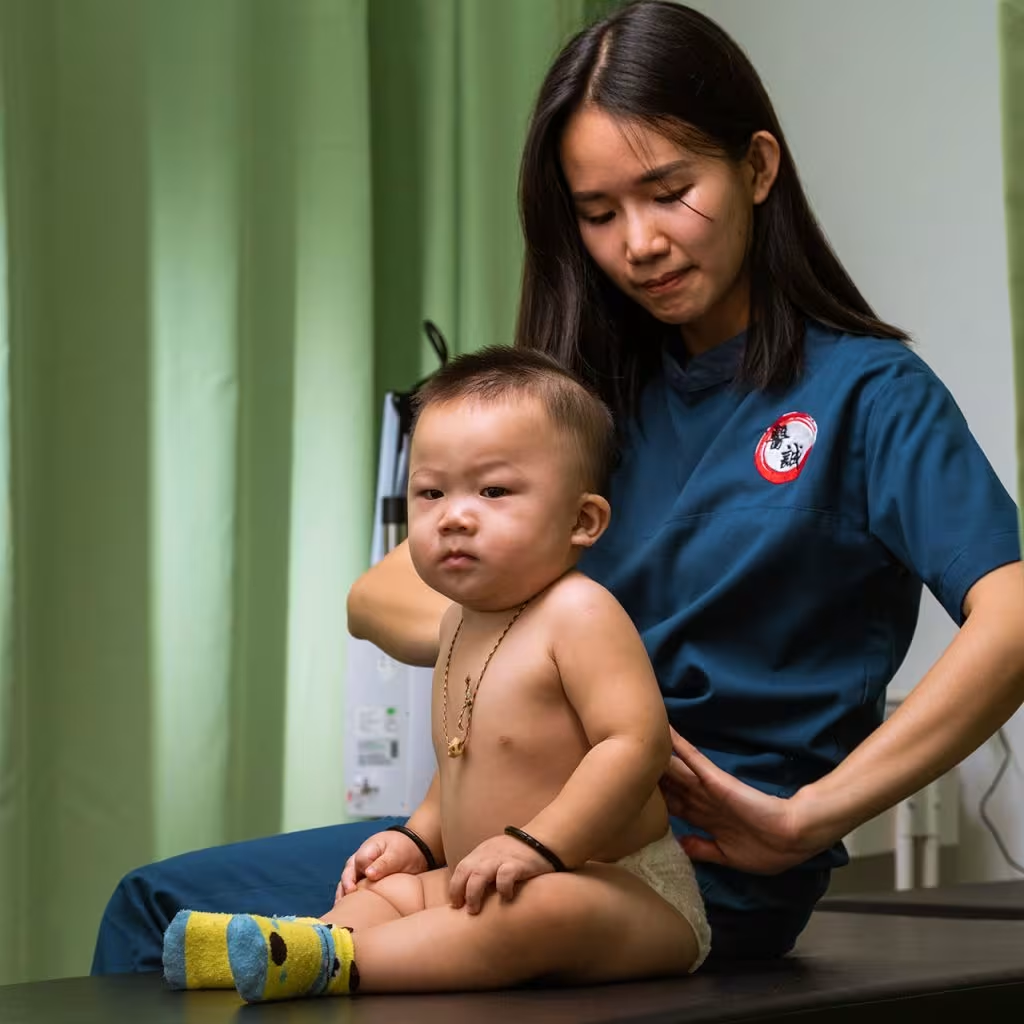
TCM pediatric massage is a specialized form of external Traditional Chinese Medicine therapy designed specifically for young children.
Unlike adult Tuina, pediatric Tuina uses gentler techniques and focuses on unique acupoints that are particularly responsive during early developmental stages.
This therapeutic approach stems from centuries-old Chinese medical practices and is based on the fundamental TCM concepts of Qi (vital energy), Yin and Yang (opposing forces), and the five elements (wood, fire, earth, metal, and water).
According to TCM philosophy, health represents a harmonious balance of these elements within the body.
Pediatric Tuina works by stimulating specific acupuncture points or areas to:
- Promote the flow of Qi and blood throughout meridian channels
- Restore the body’s natural balance
- Stimulate the body’s self-healing response
- Harmonize the functioning of internal organs
What makes pediatric massage distinct is its non-invasive nature – it doesn’t require medications or injections, making it particularly well-received by both children and parents.
This gentle therapy can be used both for treating existing conditions and for preventive healthcare.
This might help: Best TCM Clinic in JB for Singaporeans
Who Can Benefit From TCM Pediatric Massage?
TCM pediatric massage is most suitable for children between 6 months and 6 years of age, with effectiveness peaking for those 3 years and below.
The general rule is: the younger the child, the more effective the therapy. For infants younger than 6 months, consultation with a qualified TCM physician is recommended on a case-by-case basis.
The effectiveness of pediatric Tuina decreases gradually as children grow older.
This is because as children age, their meridian systems and acupoints become less sensitive to the gentle stimulation used in pediatric massage.
By age 12, most children would benefit more from treatments designed for adults, though with modified intensity.
Key Benefits of TCM Pediatric Massage
TCM pediatric massage offers numerous benefits for children’s health and development:
- Boosts immune system: Regular sessions help strengthen children’s natural defenses, reducing the frequency and severity of common illnesses
- Promotes growth and development: Stimulates proper physical and cognitive development
- Reduces lethargy: Improves energy levels and vitality
- Balances Yin and Yang energy: Helps with issues like sleep disturbances and emotional regulation
- Improves overall health: Enhances general well-being without medication
- Enhances digestive function: Particularly effective for improving digestive system function
- Promotes better sleep: Calms the nervous system and reduces anxiety
- Supports brain development: Stimulates proper neurological development
- Improves blood circulation: Enhances oxygen and nutrient delivery throughout the body
A distinctive advantage of pediatric Tuina is that it not only treats existing conditions but simultaneously promotes overall health and development – a therapeutic trait rarely seen in pharmaceutical approaches.
Read more: Tuina Massage in Singapore: Benefits and Methods
Common Conditions Treatable with TCM Pediatric Massage
Digestive Disorders
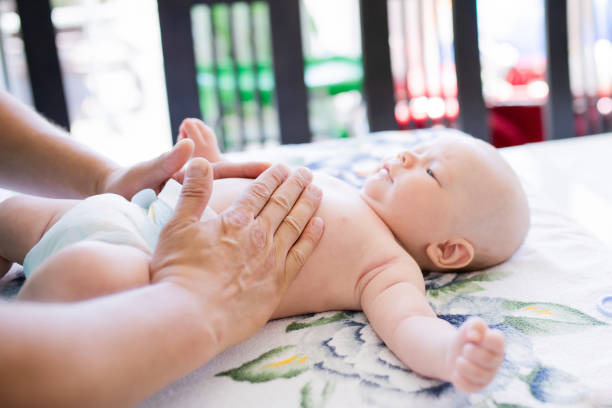
Pediatric Tuina effectively addresses various digestive issues including indigestion, bloating, constipation, diarrhea, colic, and poor appetite. The massage techniques help regulate the digestive system, improve nutrient absorption, and enhance gastrointestinal function.
Respiratory Issues
Children with respiratory conditions such as coughs, asthma, allergies, and sinusitis can benefit from pediatric Tuina.
The therapy helps boost immune function, clear congestion, reduce coughing, and promote better respiratory health.
Related article: Acupuncture in Singapore: Types, Benefits
Sleep Problems
For children experiencing difficulty falling asleep or staying asleep, pediatric Tuina can be highly beneficial.
The gentle massage helps calm the nervous system, reduce anxiety, and encourage relaxation, promoting more restful and uninterrupted sleep.
Common Illnesses
Pediatric Tuina can accelerate recovery from common childhood illnesses such as colds, fever, and sore throats by strengthening the body’s immune response, alleviating symptoms, and reducing discomfort.
Emotional and Behavioral Issues
Children experiencing emotional stress, anxiety, hyperactivity, or irritability may benefit from pediatric Tuina. The therapy helps balance emotional well-being by calming the mind, reducing stress, and enhancing overall mood stability.
You might be interested: Moxibustion in Singapore: Types, Benefits
Growth and Developmental Delays
For children with delays in physical growth or developmental milestones, pediatric Tuina may provide support.
By improving circulation and stimulating key meridians, the therapy can foster better development.
Weak Immune System
Children who frequently fall sick or have a compromised immune system can particularly benefit from regular pediatric Tuina sessions, as the therapy works to strengthen their overall immunity.
How TCM Pediatric Massage Works
The mechanisms of action for pediatric Tuina massage involve several physiological processes. When used to alleviate symptoms of functional digestive disorders, for example, Tuina potentially:
- Increases peripheral blood flow
- Activates the autonomic nervous system
- Stimulates the gastrointestinal parasympathetic nerve
- Promotes intestinal smooth muscle activity
- Enhances peristaltic function
- Reduces gastric residual volume
- Improves overall digestion
For sleep disturbances, pediatric Tuina works by balancing Yin and Yang energies.
According to TCM theory, children tend to have excess Yang energy (outward energy), which can cause restlessness before bedtime.
Pediatric massage helps boost Yin (calming energy) to promote better sleep.
The therapy also works by stimulating specific acupressure points and energy pathways, leading to harmonized overall internal energy – an approach unique to TCM that differs from Western or other massage methods.
You might like: Cupping Therapy in Singapore: Types, Benefits
TCM Pediatric Massage Techniques
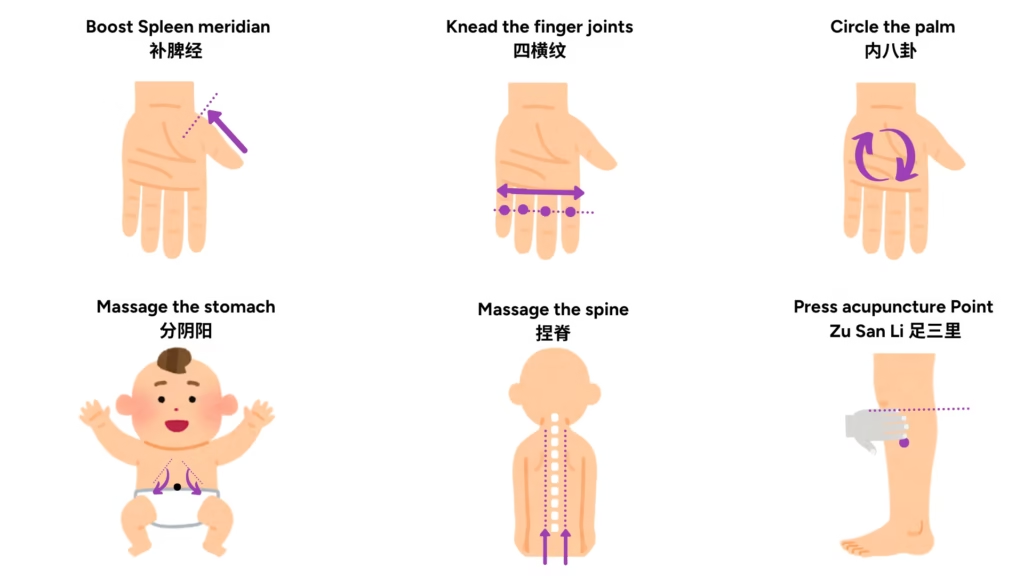
A standard pediatric Tuina routine typically involves four main stages targeting different areas of the body.
These techniques can be performed by TCM practitioners and can also be taught to parents for regular home practice.
Stage 1: Hands
Step 1: Kneading and Pushing Four Transverse Creases
- Location: At the palmar side of the first interphalangeal joints of the index, middle, ring, and small fingers
- Technique: Using circular motions or pushing from index finger toward small finger
Step 2: Kneading and Pushing Ban Men Acupoint
- Location: At the thenar of the child’s palm
- Technique: Kneading or pushing in specific directions (toward thumb base to stop diarrhea, or toward wrist to stop vomiting)
Step 3: Kneading the center of the palm
- Technique: Holding the child’s fingers while kneading the palm center
Read more: TCM Pain Management in Singapore: A Holistic Approach to Chronic Pain Relief
Stage 2: Abdomen
Circular Abdominal Massage
- Technique: With the child lying face up, perform circular massage motions on the abdomen with the navel as the center reference point
- Direction: Clockwise to increase bowel movements (for constipation), anticlockwise to reduce bowel movements (for diarrhea)
Stage 3: Feet
Kneading Yong Quan Acupoint
- Location: At the center of the sole, in the depression that appears when the toes curl inward
- Technique: Kneading with the thumb for 2-3 minutes
Stage 4: Back
Pinching and pulling the spine
- Location: Along both sides of the spine, from the tailbone to the base of the neck
- Technique: Grasp and lift the skin with thumbs and fingers, rolling upward from tailbone to neck
These techniques should be performed gently and with appropriate pressure for children. Parents’ hands should be warmed prior to the massage, and excessive force or duration should be avoided.
Differences Between Pediatric and Adult Tuina
Pediatric Tuina differs significantly from adult massage therapy in several key ways:
| Aspect | Pediatric Tuina | Adult Tuina |
|---|---|---|
| Acupoints | Uses unique pediatric acupoints not present in adult treatments | Uses standard adult acupoints |
| Pressure | Uses gentle, light pressure | Uses stronger pressure to address muscle tension |
| Duration | Shorter sessions (15-25 minutes) | Longer sessions (30-60 minutes) |
| Focus | Focuses on energy flow and organ function | Often focuses on relieving muscle tension and stress |
| Target Conditions | Addresses childhood ailments (colic, growth issues, immunity) | Targets chronic pain, stress, and muscular issues |
| Technique Complexity | Simpler, gentler techniques | More complex, stronger techniques |
The distinct acupoints used in pediatric Tuina are more responsive to stimulation during early developmental stages, allowing for effective treatment with gentler pressure compared to adult massage.
Safety and Contraindications
TCM pediatric massage is generally safe when performed by qualified practitioners. However, it is not suitable for children with:
- Infectious diseases
- Fractures
- Open wounds
- Skin diseases
- Tumor sites
- Bleeding disorders
Additionally, TCM is more suitable for common ailments and chronic conditions rather than emergencies or acute conditions. For acute conditions such as high fever, vomiting, appendicitis, or fractures, Western medical treatment should be sought first, as TCM therapies typically take longer to produce effects.
Treatment Frequency and Duration
A typical pediatric Tuina session lasts between 15 to 25 minutes, with the duration varying based on the child’s condition and age. The frequency of sessions depends on individual needs:
- For acute conditions: 2-3 times per week
- For long-term health maintenance: Once weekly or bi-weekly
- For preventive care: Regular sessions as recommended by a TCM practitioner
A qualified TCM practitioner will create a personalized treatment plan for optimal results based on the child’s specific condition and needs.
Complementary Approaches
TCM pediatric massage can be effectively combined with other treatments, including:
- Acupuncture (when appropriate for the child’s age)
- Herbal remedies
- Western medical treatments
Many families choose to integrate pediatric Tuina as part of a holistic approach to their child’s health. It’s important to discuss all treatment options with a qualified TCM practitioner to ensure a coordinated care plan.
Lifestyle Recommendations for Children’s Health
To complement the benefits of pediatric Tuina, TCM practitioners typically recommend these lifestyle practices:
- Maintain a healthy diet
- Avoid cold drinks
- Limit fried, sweet, or spicy foods
- Observe regular mealtimes
- Ensure adequate sleep
- At least 12 hours of sleep daily for young children, including naps
- Appropriate exposure to cold
- Avoid overdressing children in cold weather
- Moderate exposure to cold helps train children’s resistance against external pathogens
- Morning sunshine exposure
- About 30 minutes of morning sunshine when it’s not too hot
These lifestyle adjustments, combined with regular pediatric Tuina, create a comprehensive approach to children’s health and wellness according to TCM principles.
Finding Qualified TCM Practitioners in Singapore
When seeking TCM pediatric massage in Singapore, it’s important to consult with registered TCM physicians who specialize in pediatric care. Qualified practitioners will:
- Conduct thorough history-taking to understand the child’s medical condition and lifestyle
- Formulate a customized treatment plan for each child
- Use appropriate techniques based on the child’s age, physiology, and medical condition
Singapore has numerous TCM clinics offering specialized pediatric care, with practitioners trained specifically in pediatric Tuina techniques.
FAQ About TCM Pediatric Massage
Is Tuina Therapy safe for my child?
Yes, Tuina Therapy is generally safe for children when performed by qualified TCM practitioners.
It is a gentle, non-invasive form of treatment specifically designed for younger patients, tailored to their physical development and health conditions.
The therapy helps balance your child’s energy (qi) and supports natural healing without medications.
Is Pediatric Tuina massage painful?
No, Pediatric Tuina is not painful. Unlike deep tissue massages for adults, Pediatric Tuina uses light, soothing pressure and gentle movements, making it comfortable for children.
The goal is to facilitate energy flow in a calming and beneficial way, ensuring that your child experiences relief without discomfort.
How long does a typical Tuina therapy session last?
A typical Pediatric Tuina Therapy session lasts between 15 to 25 minutes.
The duration may vary depending on your child’s condition, age, and tolerance level.
When should my child receive a Pediatric Tuina Massage Therapy?
Pediatric Tuina massage can be helpful for children experiencing common health issues such as digestive problems, respiratory conditions, sleep disturbances, or frequent illnesses.
It is also beneficial as preventive care to promote overall health and well-being.
A consultation with a licensed TCM practitioner is recommended to determine if Tuina is appropriate for your child’s specific needs.
How often should my child receive a Pediatric Tuina Massage Therapy?
The frequency depends on your child’s individual needs. For acute conditions, sessions might be scheduled more frequently, such as 2-3 times a week.
For long-term health maintenance, once-a-week or bi-weekly sessions can be effective. Your TCM practitioner will create a personalized treatment plan based on your child’s condition.
Can TCM Pediatric Tuina Massage Therapy be combined with other treatments?
Yes, TCM Pediatric Tuina Massage Therapy can be safely combined with other treatments, including acupuncture, herbal remedies, or Western medical treatments.
Many parents choose to integrate Pediatric Tuina as part of a holistic approach to their child’s health.
Discuss all treatment options with your TCM practitioner to ensure a coordinated care plan.
How soon will I see results from TCM Pediatric Tuina Therapy?
Results vary depending on the condition being treated and your child’s overall health. Some children may experience improvements after the first session, especially for issues like digestive problems or sleep disturbances.
For chronic conditions, several sessions may be required before noticeable changes occur.
Your TCM practitioner will provide guidance on what to expect based on your child’s specific condition.
Can parents learn to perform Pediatric Tuina at home?
Yes, parents can learn basic Pediatric Tuina techniques to perform at home. Many TCM practitioners in Singapore offer guidance to parents on simple, safe techniques that can be done regularly. However, it’s important to first learn proper techniques from a qualified practitioner to ensure effectiveness and safety.
What makes TCM Pediatric Massage different from Western massage techniques?
TCM Pediatric Massage focuses on balancing the flow of Qi (vital energy) through the body’s meridian system, rather than simply addressing muscle tension.
It uses specific acupoints unique to children and follows TCM principles of energy balance.
Western massage typically focuses on muscle relaxation and circulation without the energy-based concepts central to TCM.
Is TCM Pediatric Massage only for sick children?
No, TCM Pediatric Massage is beneficial for both treating specific conditions and for preventive healthcare.
Regular sessions can boost immunity, promote proper growth and development, and enhance overall well-being even in healthy children.
What age group benefits most from TCM Pediatric Massage?
Children between 6 months and 6 years of age benefit most from TCM Pediatric Massage, with effectiveness peaking for those 3 years and below.
The therapy can be adapted for children up to 12 years old, but its effectiveness gradually decreases as children grow older.
Conclusion
TCM pediatric massage offers a gentle, non-invasive approach to supporting children’s health and development.
This traditional therapy, with its focus on balancing energy flow and stimulating specific acupoints, provides both therapeutic and preventive benefits without the side effects associated with medications.
For parents in Singapore seeking natural approaches to enhance their children’s health and address common pediatric conditions, TCM pediatric massage represents a valuable option worth exploring under the guidance of qualified practitioners.
When incorporated into a holistic approach to health that includes proper nutrition, adequate rest, and appropriate medical care, pediatric Tuina can contribute significantly to children’s overall well-being and development.
General shopping ideas, independent of this article’s advice.
Swipe to compare products →Kidney Supplement | Thong Chai TCM |Bu Shen Yi Jing | Vital Energy & Essence Tonic– Replenish Qi, Yin-Yang Balance 补肾益精From S$58.00TCM Qi-Booster Tonic Soup《保健堂》补气养生汤S$48.00Upgraded Steam Spa Eye Mask TCM Formula | Heat pack | Heat Pad | Warmer | Sleep Mask | Eye PackS$0.35Prices may vary by option. Check the final price and delivery on Shopee.