
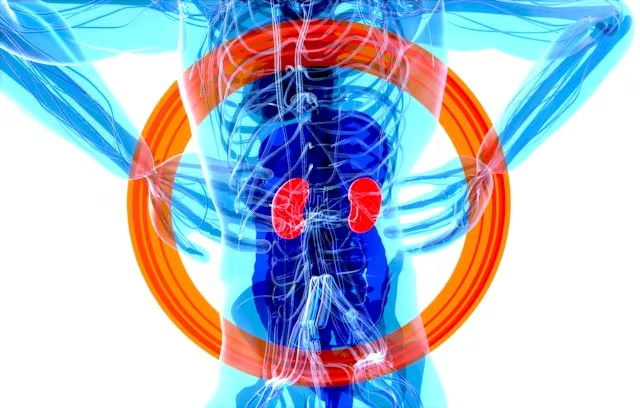
Proteinuria represents a significant health concern that affects thousands of individuals in Singapore, often serving as an early warning sign of underlying kidney dysfunction or systemic health issues.
General shopping ideas, independent of this article’s advice.
Swipe to compare products → TCM Hair Tonic《保健堂》古方护发水 (100ml)S$98.00✨Medicated Pain Relief Plaster✨ Original TCM FormulaS$3.70Zappy Postpartum Body Wipes 20 Sheets Resealable (Ginger infused with TCM Extract)From S$26.80
Prices may vary by option. Check the final price and delivery on Shopee.
This comprehensive guide explores how Traditional Chinese Medicine (TCM) offers effective, holistic treatment approaches for managing proteinuria, combining ancient wisdom with modern understanding to provide patients with alternative therapeutic options.
This might help: Best TCM Clinic in Singapore (Sort by Reviews)
Understanding Proteinuria: Beyond the Bubbles
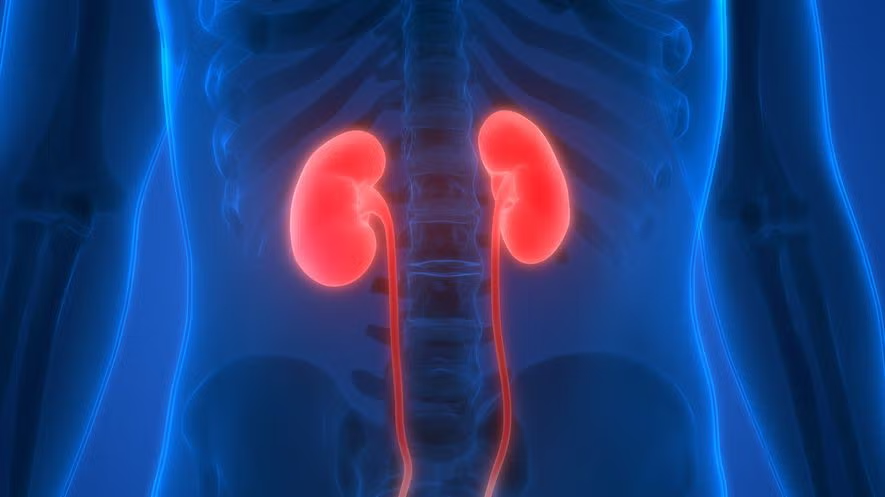
Proteinuria occurs when kidneys allow excessive amounts of protein to escape into the urine, creating a characteristic foamy or bubbly appearance during urination.
Rather than being a standalone disease, proteinuria functions as a clinical indicator pointing toward underlying medical conditions that require immediate attention and appropriate treatment intervention.
The condition manifests when the kidney’s intricate filtration system becomes compromised, allowing proteins that should remain in the bloodstream to leak through the glomerular barrier.
This leakage can range from minimal amounts that may go unnoticed to significant quantities that produce visible symptoms and indicate serious kidney damage.
In Singapore’s healthcare landscape, proteinuria affects individuals across all age groups, with particular prevalence among those with diabetes, hypertension, and autoimmune conditions.
Early detection through routine health screenings has become increasingly important, as many patients remain asymptomatic until the condition progresses to more advanced stages.
Related article: Best TCM Clinic in JB for Singaporeans
Recognizing the Signs: Symptoms and Clinical Manifestations
The presentation of proteinuria varies considerably among patients, with some experiencing obvious symptoms while others remain completely unaware of their condition until discovered through laboratory testing.
Understanding these manifestations helps patients seek timely medical intervention and prevent progression to more serious complications.
Common symptoms of proteinuria include:
- Foamy or frothy urine – The most recognizable sign, where foam fails to dissipate quickly due to altered surface tension from protein content
- Fluid retention and swelling – Beginning with ankles and feet, potentially progressing to legs, hands, and facial areas
- Persistent fatigue – Tiredness that doesn’t improve with rest, often accompanied by decreased energy levels
- Unexplained weight gain – Due to fluid accumulation rather than increased body fat
- Decreased appetite – Often accompanied by occasional nausea and digestive discomfort
- Elevated blood pressure – As kidney dysfunction affects cardiovascular regulation
Advanced symptoms requiring immediate medical attention:
- Muscle cramps during nighttime hours
- Shortness of breath due to fluid overload
- Changes in urination patterns (increased frequency or decreased volume)
- Severe swelling affecting daily activities
Read more: TCM Pain Management in Singapore: A Holistic Approach to Chronic Pain Relief
Classification and Types of Proteinuria
Medical professionals categorize proteinuria based on the quantity and specific types of proteins present in the urine, allowing for more targeted treatment approaches and accurate prognosis assessment.
Microalbuminuria represents the earliest detectable stage, involving small amounts of albumin protein in the urine that typically remain unnoticed by patients.
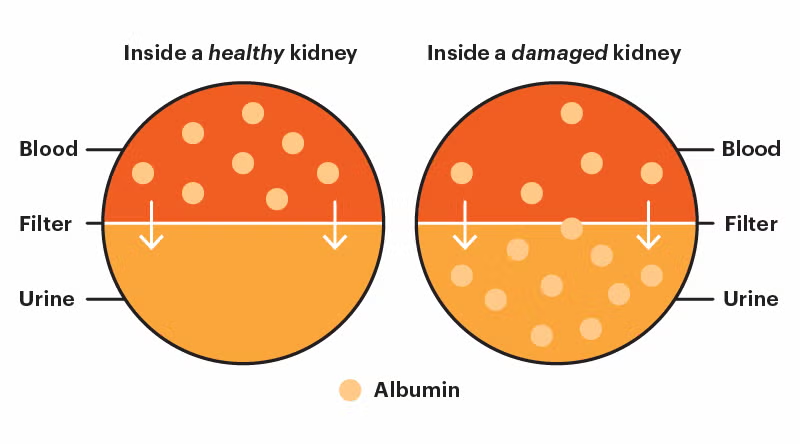
This condition frequently serves as an early warning sign for individuals with diabetes or hypertension, indicating the initial stages of kidney damage before more obvious symptoms develop.
Selective proteinuria involves the leakage of specific protein types, particularly albumin or immunoglobulins, often suggesting certain autoimmune conditions or particular kidney disorders.
This selective pattern helps healthcare providers identify underlying causes and develop appropriate treatment strategies.
Non-selective proteinuria encompasses the presence of various protein types in the urine, including both albumin and immunoglobulins, typically indicating more extensive kidney damage.
This pattern commonly occurs in multiple medical conditions and suggests more advanced kidney disease requiring comprehensive treatment approaches.
Read more: TCM Weight Management Singapore
Orthostatic proteinuria presents a unique pattern where protein levels increase when patients stand upright but decrease when lying down.
This benign condition occurs more frequently in children and adolescents, generally requiring minimal intervention beyond regular monitoring.
Overflow proteinuria develops when the kidneys cannot adequately process specific protein types, leading to their accumulation in the urine.
This pattern often indicates underlying conditions such as multiple myeloma or amyloidosis, requiring specialized treatment approaches.
Related article: TCM for Hair Loss in Singapore
Diagnostic Approaches and Modern Assessment Methods
Accurate diagnosis of proteinuria requires comprehensive evaluation combining clinical assessment, laboratory testing, and imaging studies to identify underlying causes and determine appropriate treatment strategies.
The diagnostic process typically begins with a thorough physical examination and detailed medical history review, focusing on symptoms, family history, and potential risk factors.
Healthcare providers assess for signs of fluid retention, blood pressure abnormalities, and other indicators of kidney dysfunction.
Urinalysis serves as the primary screening tool, measuring protein levels and identifying other abnormalities in the urine sample.
This simple yet effective test provides crucial information about the severity and type of proteinuria, guiding further diagnostic investigations.
Blood testing complements urinalysis by evaluating kidney function through creatinine and blood urea nitrogen measurements, while also screening for underlying conditions such as diabetes, autoimmune diseases, and other systemic disorders that may contribute to proteinuria development.
Advanced imaging studies, including ultrasound examinations and computed tomography scans, help visualize kidney structure and identify anatomical abnormalities, blockages, or other structural issues contributing to protein leakage.
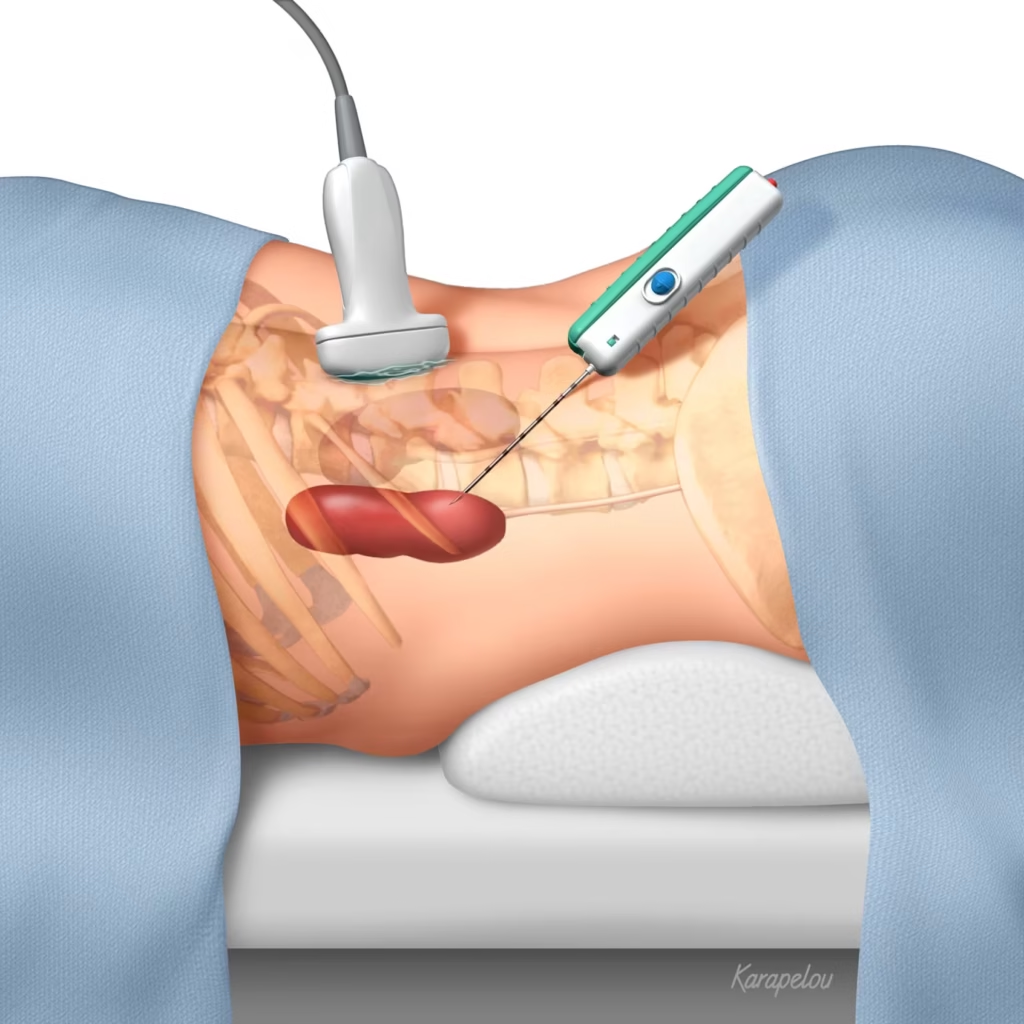
In certain cases, kidney biopsy may be recommended to obtain tissue samples for microscopic examination, providing definitive diagnosis and guiding specific treatment recommendations based on the underlying pathological changes.
You might like: TCM for Period Cramps in Singapore: How it Works
Traditional Chinese Medicine Perspective on Proteinuria
Traditional Chinese Medicine approaches proteinuria from a fundamentally different perspective compared to conventional Western medicine, viewing the condition as a manifestation of underlying energetic imbalances within the body’s organ systems rather than merely a symptom of kidney filtration problems.
The Kidney system, which encompasses both Kidney Yin and Kidney Yang aspects, governs the body’s foundational energy and plays a crucial role in maintaining fluid balance throughout the organism.
Kidney Yin deficiency manifests as insufficient nourishment and cooling functions, leading to inadequate tissue and organ support.
This deficiency allows essential substances, including proteins, to leak from their proper locations, resulting in proteinuria along with symptoms such as night sweats, hot flashes, and dry mouth.
Kidney Yang deficiency represents inadequate warming and functional activities within the body, compromising the Kidney system’s ability to contain essence and maintain proper fluid transformation.
You might be interested: Cupping Therapy in Singapore: Types, Benefits
This pattern often presents with cold extremities, fatigue, and fluid retention alongside protein leakage.
The TCM diagnostic approach emphasizes pattern differentiation, recognizing that proteinuria may arise from various underlying imbalances including Spleen Qi deficiency, Liver Qi stagnation, or combinations of excess and deficiency patterns.
This comprehensive assessment allows for personalized treatment strategies addressing root causes rather than merely managing symptoms.
TCM Treatment Principles and Therapeutic Strategies
Traditional Chinese Medicine treatment for proteinuria focuses on restoring balance within the body’s organ systems while addressing both the underlying root causes and manifesting symptoms through integrated therapeutic approaches.
The primary treatment principle involves tonifying Kidney Yin and Yang to restore the organ system’s proper functioning and ability to contain essence.
This approach recognizes that proteinuria often results from fundamental Kidney system weakness requiring long-term support and nourishment.
Strengthening Spleen Qi represents another crucial therapeutic strategy, as the Spleen system governs transformation and transportation of nutrients and fluids throughout the body. When Spleen function becomes compromised, fluid metabolism becomes impaired, contributing to proteinuria development and progression.
Promoting blood circulation and resolving blood stasis addresses the TCM understanding that stagnant blood contributes to kidney dysfunction and protein leakage.
This approach helps improve microcirculation within the kidneys and supports tissue repair and regeneration.
Clearing heat and resolving dampness targets inflammatory processes and fluid accumulation that contribute to kidney damage and proteinuria.
This strategy proves particularly effective for patients with acute inflammatory conditions or those presenting with heat-type patterns.
Herbal Medicine Formulations for Proteinuria Treatment
TCM herbal medicine offers numerous proven formulations specifically designed to address proteinuria through targeted therapeutic actions that support kidney function and restore physiological balance.
Ba Wei Di Huang Wan stands as one of the most frequently prescribed formulations for proteinuria, particularly when the condition arises from Kidney Yin and Yang deficiency patterns. This classic formula combines Prepared Rehmannia as the chief herb with supporting ingredients that nourish kidney essence and restore proper fluid metabolism.
The formula works by replenishing kidney essence, supporting both Yin and Yang aspects of kidney function, and improving the organ’s ability to contain proteins and maintain proper filtration.
Clinical studies have demonstrated its effectiveness in reducing proteinuria levels while improving overall kidney function markers.
Wan Dai Tang represents another important formulation, particularly useful when proteinuria occurs alongside symptoms of abnormal vaginal discharge or reproductive system dysfunction.
This formula strengthens Spleen Qi and resolves dampness, addressing the underlying metabolic dysfunction that contributes to protein leakage.
Modern research has validated the effectiveness of combination approaches using both conventional medical treatments alongside TCM herbal formulations.
Studies have shown that integrated treatment protocols often produce superior outcomes compared to single-modality approaches, with improvements in kidney function markers and reduced proteinuria levels.
The YiQi QingLi HuaYu prescription, developed through modern TCM research, has demonstrated particular effectiveness in improving kidney hemodynamics and protecting renal function.
This formula increases glomerular blood perfusion, reduces vascular resistance, and supports overall kidney health through multiple therapeutic mechanisms.
Key Therapeutic Herbs for Kidney Health and Proteinuria
Individual herbs within TCM formulations contribute specific therapeutic actions that collectively address the complex pathophysiology underlying proteinuria and kidney dysfunction.
Prepared Rehmannia (Shu Di Huang) serves as a fundamental kidney-nourishing herb, particularly effective for addressing Kidney Yin deficiency patterns.
This herb supports kidney essence, improves blood circulation, and helps regulate blood sugar levels while reducing inflammation within the kidney tissues.
The herb’s therapeutic actions include nourishing kidney Yin, supporting blood production, and strengthening the kidney’s ability to contain essence.
Clinical applications demonstrate its effectiveness in reducing proteinuria while supporting overall kidney function and preventing further deterioration.
Cistanche (Rou Cong Rong) provides powerful kidney Yang tonification, particularly beneficial for patients with cold-type constitutional patterns and signs of kidney Yang deficiency.
This herb enhances energy levels, supports sexual function, and improves overall kidney vitality.
Chinese Yam (Huai Shan) offers gentle yet effective support for both Kidney and Spleen systems, making it particularly valuable for patients with multiple organ system involvement.
This herb helps with frequent urination, excessive vaginal discharge, and other symptoms related to kidney essence deficiency.
Atractylodes Rhizomes (Bai Zhu) strengthens Spleen Qi and resolves dampness, addressing the metabolic dysfunction that often contributes to proteinuria development. This herb improves digestion, supports fluid metabolism, and helps prevent the accumulation of pathological dampness.
Acupuncture Treatment Protocols for Proteinuria
Acupuncture provides an additional therapeutic modality within TCM treatment protocols, offering specific point combinations that support kidney function and help reduce proteinuria through regulatory mechanisms.
Clinical research has demonstrated acupuncture’s effectiveness in slowing the progression of kidney dysfunction while improving patient symptoms and quality of life.
The treatment works by blocking or reversing critical risk factors associated with chronic kidney disease progression, including hyperglycemia, hypertension, and inflammatory processes.
Specific acupuncture points have shown particular effectiveness for proteinuria treatment.
He Gu (LI-4) serves as an important regulatory point for Qi circulation throughout the body, helping to balance overall energy flow and support kidney function.
Zu San Li (ST-36) represents one of the most commonly used points for boosting Qi and energy levels while supporting digestive function and overall vitality.
This point helps address the underlying weakness that often contributes to kidney dysfunction and proteinuria.
Tai Xi (KI-3) functions as a source point of the Kidney meridian, providing direct support for kidney function and essence storage.
Clinical studies have shown that regular stimulation of this point can help reduce creatinine levels and improve estimated glomerular filtration rates.
Treatment protocols typically involve multiple sessions over extended periods, with patients often requiring three to nine months of regular treatment to achieve verifiable improvements in kidney function and symptom reduction.
The frequency of treatment sessions is adjusted based on individual patient needs and response to therapy.
Integrating TCM with Conventional Medical Care
Successful management of proteinuria often requires careful integration of TCM approaches with conventional medical treatment, creating comprehensive care plans that address both immediate symptoms and underlying pathological processes.
Patients receiving conventional medical treatment for proteinuria can often benefit from adjunctive TCM therapies, provided there is appropriate communication between healthcare providers and careful monitoring for potential interactions between treatments.
TCM treatments can complement conventional medications such as ACE inhibitors and ARBs by providing additional kidney support and helping to minimize side effects.
The holistic approach of TCM also addresses constitutional weakness and supports overall health in ways that conventional medicine may not fully address.
Regular monitoring becomes particularly important when combining treatment approaches, ensuring that both therapeutic modalities work synergistically rather than creating conflicting effects.
Blood pressure, kidney function markers, and proteinuria levels require ongoing assessment to optimize treatment outcomes.
Lifestyle Modifications and Self-Care Strategies
Beyond medical interventions, successful proteinuria management requires comprehensive lifestyle modifications that support kidney health and help prevent disease progression.
Effective lifestyle modifications for supporting proteinuria treatment include:
- Dietary management – Reduce sodium intake to minimize fluid retention and control potassium consumption based on kidney function
- Weight management – Even modest weight reduction can significantly improve proteinuria levels and kidney function
- Regular exercise – Improves blood pressure control, muscle function, and overall cardiovascular health
- Smoking cessation – Critical intervention as tobacco use accelerates kidney disease progression
- Alcohol limitation – Minimize or eliminate consumption to reduce toxin load on kidneys
- Stress management – Practice meditation, relaxation techniques, or other stress-reduction methods
- Adequate sleep – Maintain regular sleep schedules to support tissue repair and regeneration
Stress Management and Mental Health Considerations
The psychological impact of chronic conditions like proteinuria cannot be overlooked, as stress and anxiety can negatively affect treatment outcomes and overall health status.
Chronic stress contributes to elevated blood pressure and inflammation, both of which can worsen kidney function and increase proteinuria.
Developing effective stress management strategies becomes an essential component of comprehensive treatment plans.
Traditional meditation practices, including those incorporated within TCM approaches, can help patients develop better coping mechanisms and reduce the physiological impact of stress on kidney function.
Regular meditation practice has been shown to lower blood pressure and reduce inflammatory markers.
Sleep quality significantly impacts kidney health, as adequate rest allows for proper tissue repair and regeneration.
Patients should prioritize establishing regular sleep schedules and creating environments conducive to restorative sleep.
Social support networks play crucial roles in treatment success, providing emotional encouragement and practical assistance with lifestyle modifications.
Family members and friends can help patients maintain dietary restrictions and medication schedules while providing emotional support during challenging periods.
Preventive Strategies and Long-term Management
Preventing proteinuria progression requires ongoing commitment to healthy lifestyle practices and regular medical monitoring, particularly for individuals with risk factors such as diabetes, hypertension, or family history of kidney disease.
Early detection through regular health screenings allows for prompt intervention before significant kidney damage occurs. Annual urinalysis and blood pressure monitoring can identify proteinuria in its earliest stages when treatment is most effective.
Diabetes management represents a critical preventive strategy, as uncontrolled blood sugar levels contribute significantly to kidney damage and proteinuria development. Maintaining hemoglobin A1C levels within target ranges helps preserve kidney function over time.
Blood pressure control through lifestyle modifications and appropriate medications helps prevent the vascular damage that contributes to kidney dysfunction and proteinuria.
Target blood pressure levels may need adjustment based on individual circumstances and underlying conditions.
Regular follow-up appointments with healthcare providers ensure that treatment plans remain appropriate as conditions change over time.
These visits allow for adjustment of medications, monitoring of side effects, and assessment of treatment effectiveness.
TCM Treatment Outcomes and Clinical Evidence
Clinical research has increasingly supported the effectiveness of TCM approaches for proteinuria treatment, with studies demonstrating significant improvements in kidney function markers and patient quality of life.
Patients typically begin to see improvements in symptoms within the first few months of treatment, though significant changes in kidney function markers may require longer periods of consistent therapy.
The gradual nature of TCM treatment reflects its focus on supporting the body’s natural healing processes rather than providing quick symptomatic relief.
Long-term studies have shown that patients receiving integrated TCM and conventional medical care often experience better outcomes than those receiving single-modality treatment.
These improved outcomes include reduced proteinuria levels, better preservation of kidney function, and decreased progression to end-stage kidney disease.
The safety profile of properly prescribed TCM treatments remains excellent, with minimal side effects when treatments are administered by qualified practitioners.
This safety profile makes TCM approaches particularly attractive for patients who experience adverse effects from conventional medications.
Cost-effectiveness analyses have suggested that TCM treatments may provide economic benefits through reduced need for expensive conventional medications and decreased progression to costly treatments such as dialysis or kidney transplantation.
Finding Qualified TCM Practitioners in Singapore
Singapore offers numerous qualified TCM practitioners specializing in kidney health and proteinuria treatment, with many holding advanced certifications and extensive clinical experience.
When selecting a qualified TCM practitioner in Singapore, consider these important factors:
Credentials verification – Check certifications through appropriate regulatory bodies and professional associations
Kidney health specialization – Seek practitioners with specific experience treating kidney conditions and proteinuria
Integration approach – Choose practitioners who communicate effectively with conventional medical providers
Comprehensive consultation – Look for clinics offering detailed health assessments and personalized treatment plans
Modern facilities – Ensure clinics maintain high standards while preserving traditional diagnostic methods
Treatment transparency – Practitioners should explain treatment approaches, expected outcomes, and potential costs clearly
Frequently Asked Questions
What exactly is proteinuria and how serious is it?
Proteinuria refers to the abnormal presence of excessive protein in the urine, which normally should contain only trace amounts of protein.
The condition manifests as foamy or bubbly urine and can indicate underlying kidney damage or systemic diseases. While mild proteinuria may be temporary and harmless, persistent or significant proteinuria often signals serious kidney dysfunction that requires immediate medical attention.
The condition can progress to chronic kidney disease if left untreated, potentially leading to kidney failure and the need for dialysis or transplantation.
How does Traditional Chinese Medicine view proteinuria differently from Western medicine?
Traditional Chinese Medicine approaches proteinuria as a manifestation of underlying energetic imbalances rather than simply a symptom of kidney filtration problems.
TCM views the condition through the lens of Kidney system dysfunction, encompassing both Kidney Yin and Yang deficiencies that affect the body’s ability to store essence and maintain proper fluid metabolism.
This perspective allows for more individualized treatment approaches that address constitutional weaknesses and support the body’s natural healing processes, rather than focusing solely on symptom management.
Can TCM treatment effectively reduce proteinuria levels?
Clinical research has demonstrated that TCM treatments can effectively reduce proteinuria levels, particularly when combined with conventional medical care.
Studies have shown that patients receiving integrated treatment approaches often experience greater improvements in kidney function markers and proteinuria reduction compared to those receiving single-modality treatment.
However, TCM treatment typically requires longer periods to show significant results, often taking three to nine months of consistent therapy to achieve measurable improvements.
What are the most effective TCM herbs for treating proteinuria?
Several TCM herbs have demonstrated particular effectiveness for proteinuria treatment, including Prepared Rehmannia (Shu Di Huang) for nourishing kidney Yin, Cistanche (Rou Cong Rong) for supporting kidney Yang, and Chinese Yam (Huai Shan) for strengthening both kidney and spleen function.
These herbs are typically prescribed as part of comprehensive formulations rather than individual remedies, with Ba Wei Di Huang Wan and Wan Dai Tang being among the most commonly used formulas for proteinuria treatment.
Is it safe to combine TCM treatment with conventional medications for proteinuria?
TCM treatments can generally be safely combined with conventional medications for proteinuria, provided there is appropriate supervision by qualified healthcare providers.
However, it is essential to inform all healthcare providers about all treatments being received to avoid potential interactions and ensure coordinated care.
Some herbs may interact with certain medications, particularly blood thinners or blood pressure medications, making professional supervision crucial for safe and effective treatment outcomes.
How long does TCM treatment take to show results for proteinuria?
TCM treatment for proteinuria typically requires patience, as improvements may not become apparent for several weeks to months.
Initial symptom improvements such as reduced fatigue or decreased swelling may occur within the first month of treatment, while measurable changes in proteinuria levels and kidney function markers usually require three to six months of consistent therapy.
Long-term management may extend for years, with treatment intensity typically decreasing as conditions stabilize and improve.
What lifestyle changes support TCM treatment for proteinuria?
Successful TCM treatment for proteinuria requires comprehensive lifestyle modifications including dietary changes such as reduced sodium and controlled protein intake, regular exercise appropriate for individual capabilities, stress management through meditation or other relaxation techniques, adequate sleep, and elimination of harmful habits such as smoking and excessive alcohol consumption.
These lifestyle changes work synergistically with TCM treatments to support kidney health and optimize treatment outcomes.
Can acupuncture help with proteinuria treatment?
Acupuncture has shown effectiveness as an adjunctive treatment for proteinuria, with specific point combinations helping to support kidney function and reduce protein leakage.
Clinical studies have demonstrated that acupuncture can help improve kidney blood flow, reduce inflammation, and support overall kidney health.
Treatment typically involves regular sessions over extended periods, with specific points such as He Gu, Zu San Li, and Tai Xi being commonly used for kidney support and proteinuria treatment.
What should I expect during my first TCM consultation for proteinuria?
A comprehensive TCM consultation for proteinuria typically includes detailed health history taking, examination of the tongue and pulse, assessment of constitutional patterns, and development of individualized treatment recommendations.
The practitioner will evaluate not only the proteinuria but also overall health status, underlying imbalances, and contributing factors.
Treatment recommendations may include herbal formulations, acupuncture, dietary modifications, and lifestyle changes tailored to individual needs and circumstances.
Are there any side effects or risks associated with TCM treatment for proteinuria?
Properly prescribed TCM treatments for proteinuria have an excellent safety profile with minimal side effects when administered by qualified practitioners.
However, some individuals may experience mild digestive upset when first starting herbal treatments, and certain herbs may interact with conventional medications.
It is important to work with experienced practitioners who can monitor treatment progress and adjust prescriptions as needed to minimize any potential adverse effects while maximizing therapeutic benefits.
How do I find a qualified TCM practitioner for proteinuria treatment in Singapore?
Finding a qualified TCM practitioner in Singapore involves verifying credentials through appropriate regulatory bodies, seeking practitioners with specific experience in kidney conditions, and looking for professionals who communicate effectively with conventional medical providers.
Reputable clinics often provide comprehensive consultations and maintain modern facilities while preserving traditional approaches. It is advisable to research practitioner backgrounds, read patient reviews, and schedule initial consultations to assess compatibility and treatment approaches before committing to extended treatment courses.
General shopping ideas, independent of this article’s advice.
Swipe to compare products →Kidney Supplement | Thong Chai TCM |Bu Shen Yi Jing | Vital Energy & Essence Tonic– Replenish Qi, Yin-Yang Balance 补肾益精From S$58.00TCM Qi-Booster Tonic Soup《保健堂》补气养生汤S$48.00Upgraded Steam Spa Eye Mask TCM Formula | Heat pack | Heat Pad | Warmer | Sleep Mask | Eye PackS$0.35Prices may vary by option. Check the final price and delivery on Shopee.