

Type 2 diabetes has become one of the most pressing health challenges of our time, affecting millions worldwide and ranking as a leading cause of serious health complications.
Explore everyday essentials and compare current offers on Shopee.
Browse ShopeeUnderstanding how to reduce your risk of developing this condition is crucial for maintaining long-term health and preventing the cascade of complications that can follow an untreated diagnosis.
The statistics surrounding Type 2 diabetes are sobering. In developed countries like Singapore and the United States, diabetes rates continue to climb, with Singapore recording approximately 9% of its adult population living with diabetes, making it second only to the United States among developed nations.
Read more: Which Endocrinologist in Singapore Should You Consider?
Understanding Type 2 Diabetes and Its Development
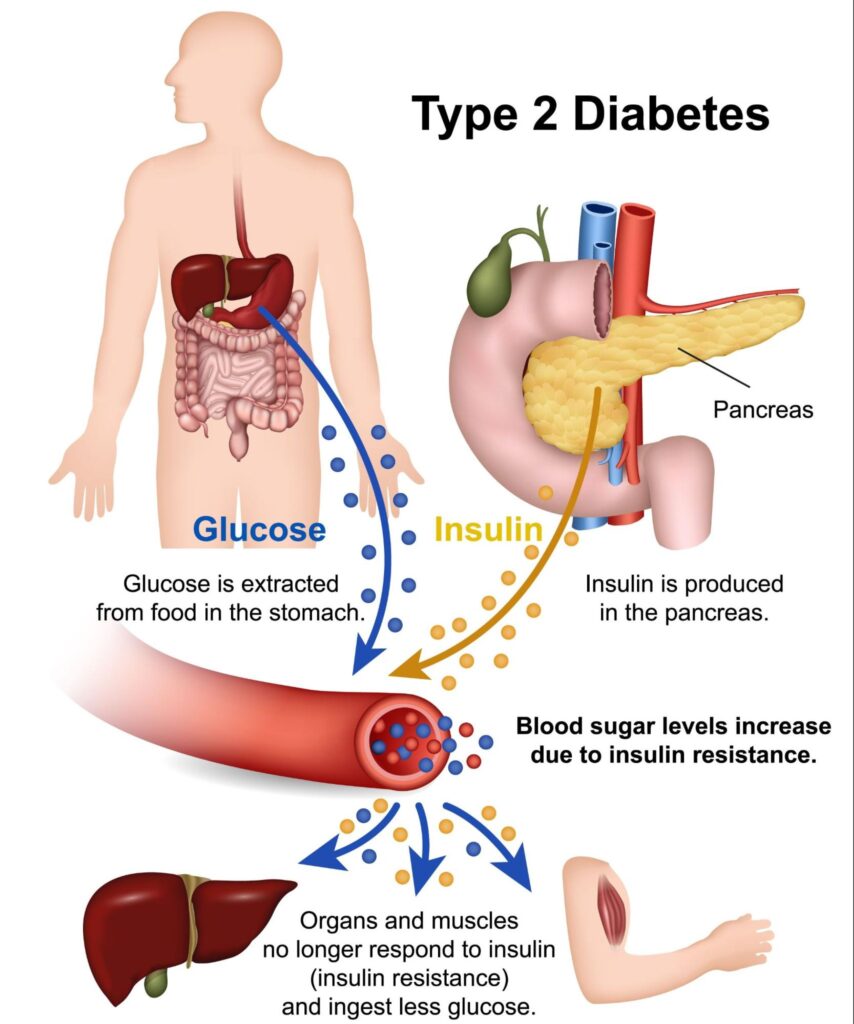
Type 2 diabetes occurs when your body becomes unable to use insulin effectively, a condition known as insulin resistance.
Initially, your pancreas compensates by producing extra insulin to maintain normal blood glucose levels.
However, over time, the pancreas cannot keep up with the increased demand, leading to elevated blood sugar levels that characterize diabetes.
Unlike Type 1 diabetes, which results from an autoimmune attack on insulin-producing cells, Type 2 diabetes develops gradually and is largely influenced by lifestyle factors and genetic predisposition.
This distinction is important because it means Type 2 diabetes is often preventable or can have its onset significantly delayed through targeted interventions.
The development of insulin resistance involves several interconnected factors.
Excess body fat, particularly visceral fat around organs, plays a significant role in reducing insulin sensitivity.
Physical inactivity compounds this problem by reducing energy expenditure and promoting weight gain.
Additionally, consuming highly processed foods high in refined carbohydrates and saturated fats can contribute to insulin resistance over time.
Read more: Diabetes Treatment in Singapore: Types, Risks
The Role of Genetics in Type 2 Diabetes Risk
Family history represents one of the most significant non-modifiable risk factors for Type 2 diabetes.
Research indicates that having one first-degree relative, such as a parent or sibling, with Type 2 diabetes increases your risk by 2-3 times compared to individuals without family history.
When both parents have Type 2 diabetes, the risk escalates dramatically to 5-6 times higher than the general population.
Scientists have identified over 150 DNA variations linked to Type 2 diabetes risk.
Some of these genetic variations directly affect insulin resistance and insulin production, while others increase diabetes risk by influencing weight gain tendencies and body fat distribution.
Your lifetime risk of developing Type 2 diabetes reaches 40% if one biological parent has the condition, and increases to 70% if both parents are affected.
However, genetics alone do not determine your destiny.
While you cannot change your genetic makeup, you have significant control over environmental and lifestyle factors that interact with your genes to determine your overall risk profile.
Read more: Diabetes Myths Debunked: Separating Fact from Fiction
Comprehensive Risk Factors for Type 2 Diabetes
Understanding all potential risk factors helps create a complete picture of your diabetes risk and guides prevention strategies:
Key Risk Factors
Family history and excess weight are the primary risk factors for Type 2 diabetes.
Evidence-Based Strategies to Reduce Type 2 Diabetes Risk
Weight Management and Loss
Weight management stands as the most impactful single intervention for diabetes prevention.
Research from large-scale studies demonstrates that losing even modest amounts of weight can significantly reduce diabetes risk.
The American Diabetes Association recommends that individuals with prediabetes lose at least 5-7% of their body weight to prevent diabetes progression.
One landmark study showed participants reduced their Type 2 diabetes risk by nearly 60% over three years by losing approximately 7% of their body weight through combined dietary changes and increased physical activity.
For someone weighing 200 pounds, this translates to losing just 10-14 pounds to achieve meaningful risk reduction.
Setting realistic weight loss goals is crucial for long-term success.
Aim for gradual weight loss of 1-2 pounds per week through sustainable lifestyle changes rather than extreme dieting approaches.
This steady approach is more likely to result in permanent weight management and continued diabetes risk reduction.
Read more: Type 2 Diabetes Treatment in Singapore: Symptoms, Risks
Physical Activity and Exercise Guidelines
Regular physical activity provides multiple mechanisms for diabetes prevention.
Exercise directly improves insulin sensitivity, helps with weight management, lowers blood sugar levels, and provides cardiovascular benefits that reduce overall health risks.
Exercise Guidelines: Aim for 150 minutes of moderate activity weekly plus strength training twice per week.
Dietary Strategies for Diabetes Prevention
Nutrition plays a fundamental role in diabetes prevention, with specific dietary patterns showing particular effectiveness in reducing risk.
Focus on Fiber-Rich Foods
High-fiber foods provide multiple benefits for diabetes prevention.
Fiber slows sugar absorption, helping maintain stable blood glucose levels, interferes with dietary fat absorption, and promotes satiety to support weight management. Include these fiber-rich options:
Focus on whole foods like vegetables, fruits, lean proteins, and whole grains while limiting processed foods and sugary drinks.
You might like: Type 1 Diabetes Treatment in Singapore: Causes, Risks
The Plate Method for Balanced Meals
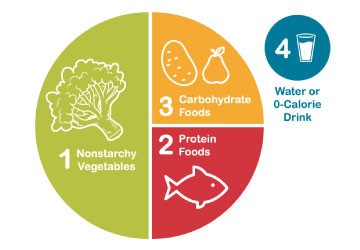
Plate Method: Fill half your plate with vegetables, and divide the remaining half between lean protein and whole grains.
This visual guide helps ensure balanced nutrition while controlling portion sizes naturally.
Special Considerations for High-Risk Groups
Individuals with Prediabetes
Prediabetes affects approximately one in three American adults, representing blood sugar levels higher than normal but not yet reaching diabetes diagnosis criteria.
People with prediabetes have an elevated risk of progressing to Type 2 diabetes within several years without intervention.
Prediabetes diagnosis uses specific blood sugar criteria:
- Fasting glucose: 100-125 mg/dL
- A1C levels: 5.7-6.4%
- Oral glucose tolerance test: 140-199 mg/dL
The same lifestyle interventions that prevent diabetes in the general population prove even more effective for individuals with prediabetes.
Studies show that structured lifestyle programs can reduce progression to diabetes by up to 58% in people with prediabetes.
Related article: Gestational Diabetes Treatment in Singapore
Women with Previous Gestational Diabetes

Gestational diabetes affects a significant percentage of pregnancies and creates long-term increased risk for both mother and child. Women who experienced gestational diabetes have a much higher likelihood of developing Type 2 diabetes within 5-10 years after pregnancy.
Prevention Essentials: Regular health screenings and maintaining a healthy weight are fundamental to diabetes prevention.
Ethnic Groups at Higher Risk
Certain ethnic populations face disproportionately higher diabetes rates due to genetic factors and social determinants of health.
These groups benefit from culturally appropriate prevention programs that account for traditional foods, cultural practices, and community support systems.
Prevention approaches should incorporate traditional healthy foods from cultural backgrounds, community-based support programs, healthcare providers familiar with cultural considerations, and family-centered approaches that engage multiple generations.
You might be interested: Pituitary Gland Disorders Treatment in Singapore: Symptoms, Causes
The Role of Sleep and Stress Management
Quality sleep and effective stress management represent often-overlooked components of diabetes prevention that deserve attention alongside diet and exercise.
Sleep and Diabetes Risk
Poor sleep quality and insufficient sleep duration both contribute to increased diabetes risk through multiple pathways.
Sleep deprivation affects hormone levels, including those that regulate hunger and blood sugar, potentially leading to weight gain and insulin resistance.
Lifestyle Factors: Getting 7-9 hours of quality sleep and managing stress effectively support diabetes prevention efforts.
Medical Interventions and Professional Support
While lifestyle changes form the foundation of diabetes prevention, medical interventions may be appropriate for certain high-risk individuals.
Diabetes Prevention Medications
The medication metformin has shown effectiveness in preventing or delaying Type 2 diabetes in people with prediabetes, particularly those who are younger, more severely obese, or have additional risk factors.
However, lifestyle interventions typically prove more effective than medication alone.
Healthcare providers may recommend metformin for individuals who have prediabetes with additional risk factors, have been unable to achieve sufficient risk reduction through lifestyle changes alone, or have a very high risk profile due to multiple factors.
Regular Health Monitoring
Consistent health monitoring helps track progress and identify any concerning changes early.
Regular check-ups should include annual blood sugar testing for adults over 35, more frequent testing for those with risk factors, blood pressure monitoring, cholesterol level assessments, weight and BMI tracking, and overall cardiovascular health evaluation.
Building Your Healthcare Team
Professional Support: Work with your primary care doctor and a registered dietitian for personalized prevention guidance.
Creating Your Personal Prevention Plan
Developing an effective diabetes prevention strategy requires a personalized approach that considers your individual risk factors, preferences, and circumstances.
Risk Assessment
Begin by calculating your BMI and assessing your weight status, reviewing your family history of diabetes and related conditions, evaluating your current activity level and eating patterns, considering any existing health conditions that increase risk, and assessing your current stress levels and sleep quality.
Goal Setting and Planning
Effective prevention plans include specific, measurable, achievable goals:
Short-term goals (1-3 months):
- Increase daily steps by a specific amount
- Add one additional serving of vegetables to daily meals
- Reduce sugar-sweetened beverage consumption
- Improve sleep consistency
Medium-term goals (3-6 months):
- Achieve target weight loss if needed
- Establish regular exercise routine
- Complete nutritional counseling
- Implement stress management techniques
Long-term goals (6+ months):
- Maintain healthy weight range
- Sustain regular physical activity habits
- Achieve target blood pressure and cholesterol levels
- Develop sustainable healthy eating patterns
Implementation Strategies
Successful prevention plan implementation involves gradual changes by implementing one or two changes at a time rather than attempting complete lifestyle overhaul simultaneously.
Tracking progress using tools like food diaries or activity trackers, engaging family members and friends in your prevention efforts, regularly assessing your progress and adjusting strategies as needed, and working with healthcare providers to ensure your prevention plan is appropriate and effective.
Long-Term Success and Maintenance
Diabetes prevention is not a short-term project but rather a lifelong commitment to healthy living.
Understanding how to maintain prevention strategies over time is crucial for long-term success.
Sustaining Motivation
Long-term adherence to prevention strategies requires ongoing motivation and regular recommitment to healthy behaviors.
Strategies for maintaining motivation include regularly reassessing your risk factors and celebrating improvements, adapting your strategies as your life circumstances change, maintaining relationships with others who share similar health goals, and continuing regular healthcare provider relationships for guidance and accountability.
Adapting to Life Changes
Life circumstances inevitably change, and effective prevention strategies must adapt accordingly. Common life changes that may require strategy adjustments include:
- Aging: Modify exercise routines and dietary needs as appropriate for changing physical capabilities
- Career changes: Adjust meal planning and exercise schedules to accommodate new work demands
- Family changes: Incorporate family-friendly healthy activities and meals
- Health changes: Work with healthcare providers to modify prevention strategies if other health conditions develop
Continuing Education
Staying informed about diabetes prevention research and recommendations helps maintain effective prevention strategies.
Reliable sources of information include healthcare providers and certified diabetes educators, professional medical organizations like the American Diabetes Association, evidence-based health websites and publications, and community health programs and workshops.
Frequently Asked Questions
Can Type 2 diabetes be completely prevented?
While Type 2 diabetes cannot be prevented with 100% certainty, especially in individuals with strong genetic predisposition, the risk can be dramatically reduced through lifestyle interventions.
Studies consistently show that comprehensive lifestyle changes can reduce diabetes risk by 50-60% even in high-risk populations.
The combination of weight management, regular physical activity, and healthy eating patterns provides the most effective prevention approach currently available.
How much weight do I need to lose to reduce my diabetes risk?
Research indicates that losing just 5-7% of your current body weight can significantly reduce diabetes risk.
For someone weighing 200 pounds, this means losing 10-14 pounds can provide meaningful risk reduction.
However, greater weight loss typically provides additional benefits, and the key is achieving and maintaining weight loss through sustainable lifestyle changes rather than temporary dieting approaches.
Is it too late to prevent diabetes if I already have prediabetes?
Having prediabetes actually represents an optimal opportunity for diabetes prevention.
People with prediabetes who implement comprehensive lifestyle changes can reduce their risk of progressing to Type 2 diabetes by up to 58%.
Many individuals with prediabetes can return their blood sugar levels to normal ranges through effective lifestyle interventions, essentially reversing their prediabetic state.
What types of exercise are most effective for diabetes prevention?
Both aerobic exercise and strength training contribute to diabetes prevention, with the combination being most effective.
Aerobic activities like brisk walking, swimming, or cycling improve insulin sensitivity and support weight management. Strength training helps build and maintain muscle mass, which increases glucose uptake and improves overall metabolism.
The current recommendation is at least 150 minutes of moderate aerobic activity plus two strength training sessions weekly.
Are there specific foods that can prevent diabetes?
While no single food prevents diabetes, certain foods and dietary patterns show consistent associations with reduced diabetes risk.
Foods high in fiber, such as whole grains, vegetables, fruits, and legumes, help regulate blood sugar and support weight management.
Healthy fats from nuts, seeds, and fatty fish may improve insulin sensitivity.
The Mediterranean diet pattern, emphasizing these foods while limiting processed foods and added sugars, shows strong evidence for diabetes prevention.
How often should I get tested for diabetes if I have risk factors?
The American Diabetes Association recommends annual diabetes screening for all adults beginning at age 35.
However, individuals with risk factors such as overweight status, family history, or other medical conditions may need more frequent testing.
People with prediabetes should be tested annually, while those with multiple risk factors might benefit from testing every 1-2 years.
Discuss appropriate testing frequency with your healthcare provider based on your individual risk profile.
Can supplements help prevent Type 2 diabetes?
While some supplements have shown potential benefits in research studies, lifestyle changes remain far more effective than any supplementation approach.
The medication metformin, though not technically a supplement, has proven effectiveness for diabetes prevention in certain high-risk populations.
Some studies suggest potential benefits from vitamin D, chromium, or cinnamon supplements, but evidence remains limited and inconsistent.
Focus on obtaining nutrients through whole foods rather than relying on supplements for diabetes prevention.
Does stress really increase diabetes risk?
Chronic stress can contribute to diabetes risk through multiple pathways.
Stress hormones like cortisol can directly affect blood sugar levels and promote insulin resistance.
Additionally, stress often leads to behaviors that increase diabetes risk, such as poor eating habits, reduced physical activity, and inadequate sleep.
While short-term stress is normal and not harmful, chronic stress management through techniques like regular exercise, meditation, or professional counseling can support diabetes prevention efforts.
How does family history affect my prevention strategies?
Having a family history of Type 2 diabetes increases your risk significantly but does not guarantee you will develop the condition.
If you have one parent with diabetes, your risk is 2-3 times higher than average; with both parents affected, your risk increases 5-6 times.
However, the same prevention strategies that work for the general population are effective for people with family history, and some research suggests these individuals may see even greater benefits from lifestyle interventions.
Focus on the lifestyle factors you can control rather than the genetics you cannot change.
What role does age play in diabetes prevention?
While diabetes risk increases with age, particularly after 45, effective prevention strategies work at any age.
Older adults may need to modify exercise routines for safety and accommodate age-related changes in metabolism, but the fundamental principles of healthy eating, regular physical activity, and weight management remain effective.
Starting prevention efforts earlier in life provides the greatest benefits, but it is never too late to begin implementing healthy lifestyle changes that can reduce diabetes risk and improve overall health.
Explore everyday essentials and compare current offers on Shopee.
Browse Shopee