

Diabetes stands as one of the most significant health challenges of our time, affecting millions worldwide. While most people understand the immediate concerns of blood sugar management, fewer realize the profound impact diabetes can have on kidney health.
Explore everyday essentials and compare current offers on Shopee.
Browse ShopeeUnderstanding when and how diabetes affects your kidneys, along with effective management strategies, could be the difference between maintaining healthy kidney function and facing kidney failure.
Understanding the Connection Between Diabetes and Kidney Health
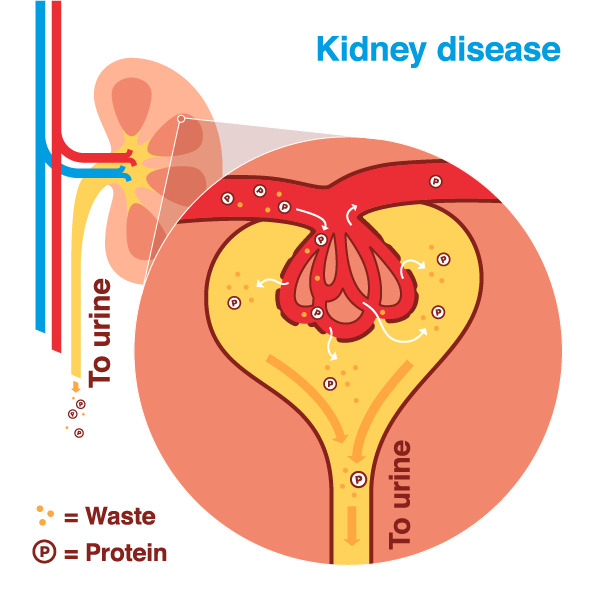
Your kidneys serve as sophisticated filtration systems, processing approximately 50 gallons of blood daily to remove waste products and excess fluid.
These remarkable organs contain millions of tiny filtering units called nephrons, each equipped with clusters of blood vessels known as glomeruli. When diabetes enters the picture, this intricate system faces serious threats.
The relationship between diabetes and kidney damage begins with chronically elevated blood glucose levels.
Read more: Which Endocrinologist in Singapore Should You Consider?
Think of high blood sugar as a corrosive agent that gradually damages the delicate blood vessels throughout your body, with your kidneys being particularly vulnerable due to their extensive vascular network.
When blood sugar remains consistently high, it triggers a process similar to caramelization within your blood vessels and tissues.
This leads to inflammation, progressive damage, and ultimately scarring of the kidney’s filtering mechanisms.
Over time, these damaged filters begin allowing proteins, particularly albumin, to leak into your urine – a clear sign that your kidneys are struggling to perform their essential functions.
The Timeline: When Diabetes Begins Affecting Your Kidneys
One of the most concerning aspects of diabetic kidney disease is its silent progression. Kidney damage typically begins developing 5 to 10 years before any noticeable symptoms appear.
This means that by the time you experience obvious signs of kidney problems, significant damage may have already occurred.
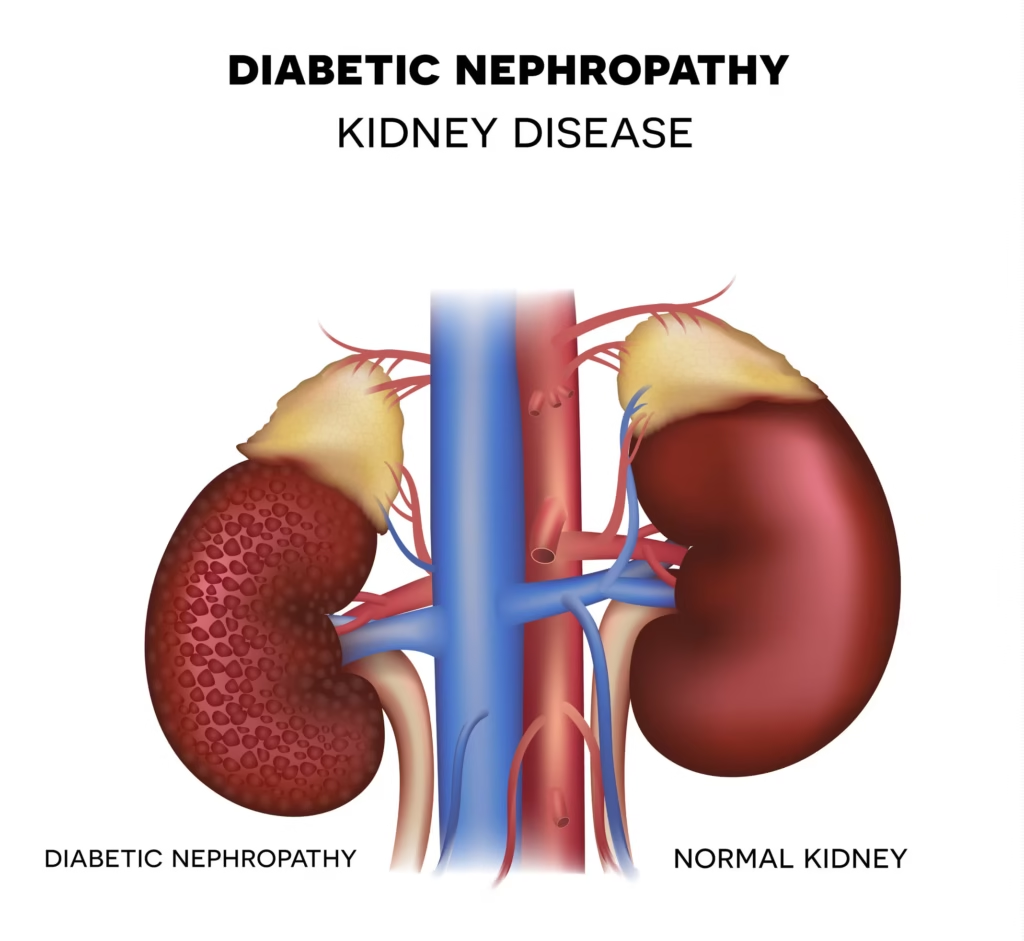
The progression follows a predictable pattern. Initially, the nephrons begin to thicken and develop scar tissue.
As this process continues, these filtering units start leaking, allowing protein to pass into the urine.
Without proper intervention, this damage accelerates, leading to decreased kidney function and, in severe cases, complete kidney failure.
Research indicates that approximately 40% of individuals with diabetes will eventually develop some form of kidney complications. However, this statistic shouldn’t cause despair – it should motivate proactive management and prevention strategies.
This might help: Diabetes Treatment in Singapore: Types, Risks
Risk Factors That Accelerate Kidney Damage in Diabetes
Understanding your personal risk factors helps determine how aggressively you need to approach kidney protection. Several key factors significantly increase your likelihood of developing diabetic kidney disease:
Primary Risk Factors:
- Uncontrolled blood glucose levels
- High blood pressure
The presence of multiple risk factors compounds your overall risk, making comprehensive management even more critical.
Recognizing the Warning Signs: Symptoms of Diabetic Kidney Disease
Early-stage diabetic kidney disease presents a dangerous paradox – it causes the most damage when symptoms are absent or barely noticeable.
This silent progression makes regular monitoring absolutely essential for anyone with diabetes.
Early Stage Indicators: During the initial phases, you might experience subtle changes that are easy to dismiss or attribute to other causes. These can include mild fatigue, slight changes in urination patterns, or minor swelling that comes and goes.
Progressive Symptoms:
- Persistent fatigue
- Swelling in legs or hands
You might like: Type 1 Diabetes Treatment in Singapore: Causes, Risks
Diagnostic Testing: How Healthcare Providers Detect Kidney Damage
Early detection relies heavily on specific laboratory tests that can identify kidney problems before symptoms develop.
Understanding these tests helps you become an active participant in your kidney health monitoring.
Essential Urine Tests: The cornerstone of diabetic kidney disease detection is the albumin test, specifically the microalbuminuria test.
This highly sensitive test measures tiny amounts of the protein albumin in your urine. Normal kidneys prevent significant protein loss, so any detectable albumin suggests early kidney damage.
Healthcare providers typically collect urine samples in several ways: a single spot urine sample (most common), a 24-hour urine collection (most comprehensive), or a timed urine collection. The albumin-to-creatinine ratio provides the most reliable measurement.
Critical Blood Tests: Several blood tests provide crucial information about kidney function:
Serum Creatinine: Measures a waste product that healthy kidneys efficiently remove.
Blood Urea Nitrogen (BUN): Assesses how well kidneys eliminate urea, another waste product.
Estimated Glomerular Filtration Rate (eGFR): Calculates kidney function percentage based on creatinine levels, age, gender, and race.
Advanced Diagnostic Procedures: In certain cases, healthcare providers may recommend additional testing such as kidney biopsies to confirm diagnosis or identify other causes of kidney damage, imaging studies to assess kidney structure, or specialized blood tests to evaluate complications.
Related article: Type 2 Diabetes Treatment in Singapore: Symptoms, Risks
Comprehensive Management Strategies for Diabetic Kidney Disease
Successfully managing diabetic kidney disease requires a multi-faceted approach addressing blood sugar control, blood pressure management, lifestyle modifications, and protective medications.
Each component plays a vital role in slowing disease progression and preserving kidney function.
Blood Glucose Management: The Foundation of Kidney Protection
Achieving and maintaining target blood glucose levels represents the most powerful tool for preventing and slowing diabetic kidney disease progression.
The goal for most adults with diabetes is an A1C level below 7%, though individual targets may vary based on other health conditions and life expectancy.
Blood Sugar Management:
- Monitor blood glucose regularly
- Take medications as prescribed
Dietary Considerations: Work with a registered dietitian to develop a personalized meal plan that considers both diabetes management and kidney health.
This typically involves controlling portion sizes, managing carbohydrate intake, and potentially modifying protein consumption if kidney function declines significantly.
Read more: Gestational Diabetes Treatment in Singapore
Blood Pressure Control: Protecting Your Kidney’s Blood Vessels
High blood pressure accelerates kidney damage by increasing pressure within the delicate filtering system.
Target blood pressure for most people with diabetes is below 140/90 mmHg, though some individuals may benefit from even lower targets.
Medication Management: Two specific classes of blood pressure medications offer special kidney protection benefits:
ACE Inhibitors: These medications end in “-pril” (like lisinopril) and provide kidney protection even for people with normal blood pressure.
Angiotensin Receptor Blockers (ARBs): These medications end in “-sartan” (like losartan) and offer similar protective benefits.
These medications work by reducing pressure within the kidney’s filtering system and may slow protein leakage even in early-stage kidney disease.
You might like: Diabetes Myths Debunked: Separating Fact from Fiction
Lifestyle Modifications for Kidney Health
Physical Activity Benefits: Regular exercise improves blood glucose control, helps manage blood pressure, supports healthy weight maintenance, and enhances overall cardiovascular health.
Aim for at least 150 minutes of moderate-intensity aerobic activity weekly, plus resistance training twice per week.
Weight Management: Maintaining a healthy weight reduces stress on your kidneys and improves blood glucose control. Even modest weight loss can provide significant benefits for kidney health.
Smoking Cessation: Smoking accelerates kidney damage and reduces the effectiveness of blood pressure medications.
Quitting smoking provides immediate and long-term benefits for kidney health.
Read more: Pituitary Gland Disorders Treatment in Singapore: Symptoms, Causes
Nutritional Strategies for Kidney Protection
Dietary management becomes increasingly important as kidney function declines. Working with healthcare providers and registered dietitians ensures nutritional needs are met while supporting kidney health.
Protein Considerations: While adequate protein intake remains important for overall health, excessive protein consumption may accelerate kidney damage in some individuals.
Your healthcare team will help determine appropriate protein levels based on your kidney function.
Sodium Restriction: Reducing sodium intake helps control blood pressure and reduces fluid retention.
Phosphorus and Potassium Management: As kidney function declines, these minerals may need dietary restriction to prevent dangerous blood level elevations.
Medications and Treatments That Protect Kidney Function
Beyond blood glucose and blood pressure management, several specific treatments can help preserve kidney function and manage complications.
Protective Medications:
- ACE inhibitors and ARBs provide kidney protection beyond blood pressure control
- Certain diabetes medications may offer additional kidney benefits
- Medications to manage cholesterol help protect blood vessels throughout the body
Medications to Avoid:
- NSAIDs like ibuprofen
Regular Monitoring Requirements: Once diabetic kidney disease is diagnosed, more frequent monitoring becomes necessary to track disease progression and adjust treatments accordingly.
Preventing Diabetic Kidney Disease: Proactive Strategies
Prevention remains the best approach to diabetic kidney disease. Starting protective measures early in your diabetes journey can significantly reduce your risk of developing kidney complications.
Prevention Strategies:
- Annual urine testing
- Control blood glucose levels
Advanced Treatment Options and Future Outlook
For individuals who develop advanced kidney disease despite optimal management, several treatment options can maintain life and health.
Dialysis Options: When kidney function falls below 15% of normal, dialysis becomes necessary to perform the kidney’s filtering functions artificially. Two main types exist:
- Hemodialysis: Uses a machine to filter blood outside the body
- Peritoneal Dialysis: Uses the lining of the abdomen to filter blood inside the body
Kidney Transplantation: For appropriate candidates, kidney transplantation offers the best long-term outcome for end-stage kidney disease. Both living donor and deceased donor transplants are options.
Emerging Therapies: Research continues into new treatments that may slow or reverse diabetic kidney disease, including novel medications, regenerative therapies, and improved dialysis techniques.
Living with Diabetic Kidney Disease: Quality of Life Considerations
A diagnosis of diabetic kidney disease doesn’t mean giving up on life quality. Many people successfully manage their condition while maintaining active, fulfilling lives.
Emotional and Psychological Support: Managing a chronic condition like diabetic kidney disease can be emotionally challenging. Consider:
- Joining support groups for people with diabetes and kidney disease
- Working with counselors who specialize in chronic disease management
- Connecting with others who share similar health challenges
- Maintaining social connections and activities you enjoy
Practical Daily Management:
- Develop routines that support medication compliance
- Plan meals and activities around treatment schedules
- Maintain emergency contact information for healthcare providers
- Keep detailed records of symptoms, medications, and test results
Working with Your Healthcare Team
Successful management of diabetic kidney disease requires collaboration with multiple healthcare professionals.
Key Healthcare Team:
- Primary care physician
Comprehensive FAQ Section
What percentage of people with diabetes develop kidney disease?
Research indicates that approximately 40% of individuals with diabetes will develop some form of diabetic kidney disease during their lifetime.
However, this risk can be significantly reduced through proper diabetes management, blood pressure control, and regular monitoring from the early stages of diabetes diagnosis.
How long does it take for diabetes to cause kidney damage?
Kidney damage from diabetes typically begins developing 5 to 10 years before symptoms become noticeable.
The progression varies significantly between individuals based on blood glucose control, blood pressure management, genetics, and other risk factors.
Some people with Type 2 diabetes may already have early kidney damage at the time of their diabetes diagnosis due to undiagnosed high blood sugar levels.
Can diabetic kidney disease be reversed?
While diabetic kidney disease cannot be completely reversed, its progression can be significantly slowed or even halted with proper management.
Early intervention focusing on blood glucose control, blood pressure management, and protective medications can preserve existing kidney function and prevent further damage.
The key is catching the disease in its early stages before irreversible scarring occurs.
What are the first signs that diabetes is affecting my kidneys?
The earliest signs of diabetic kidney disease are often detected through laboratory tests rather than symptoms.
The first indicator is typically the presence of small amounts of protein (albumin) in the urine, detected through a microalbuminuria test.
Physical symptoms usually don’t appear until significant kidney damage has occurred, which is why regular testing is crucial for early detection.
How often should people with diabetes have their kidneys checked?
Adults with diabetes should have kidney function testing at least annually, including both urine tests for protein and blood tests to measure kidney function.
Those with existing kidney disease, poorly controlled diabetes, or multiple risk factors may need more frequent monitoring every 3 to 6 months.
Your healthcare provider will determine the appropriate testing schedule based on your individual risk factors and current kidney function.
What foods should I avoid if I have diabetic kidney disease?
Dietary restrictions depend on the stage of kidney disease, but common recommendations include limiting sodium to reduce blood pressure and fluid retention, moderating protein intake to reduce kidney workload, and potentially restricting phosphorus and potassium if blood levels become elevated.
Working with a registered dietitian familiar with both diabetes and kidney disease ensures you receive personalized guidance that meets your nutritional needs while protecting kidney function.
Is it safe to exercise with diabetic kidney disease?
Exercise is generally beneficial and recommended for people with diabetic kidney disease, as it helps control blood glucose levels, blood pressure, and weight.
However, the intensity and type of exercise may need modification based on your overall health status and kidney function level.
Consult with your healthcare team before starting any new exercise program to ensure it’s appropriate for your condition.
What medications should I avoid with diabetic kidney disease?
Several medications can worsen kidney function and should be avoided or used with extreme caution, including nonsteroidal anti-inflammatory drugs (NSAIDs) like ibuprofen and naproxen, certain antibiotics, some blood pressure medications in specific situations, and various herbal supplements.
Always inform all healthcare providers about your kidney disease before receiving any new medications or treatments.
Can high blood pressure alone cause the same kidney problems as diabetes?
High blood pressure can cause kidney damage similar to diabetes, and many people have both conditions simultaneously, which compounds the risk.
However, diabetic kidney disease has specific characteristics related to how high blood glucose damages kidney blood vessels.
Having both diabetes and high blood pressure significantly increases the risk of kidney complications compared to having either condition alone.
What happens if diabetic kidney disease progresses to kidney failure?
If diabetic kidney disease progresses to kidney failure (less than 15% of normal kidney function), life-sustaining treatments become necessary.
Options include hemodialysis (using a machine to filter blood), peritoneal dialysis (using the abdominal lining to filter blood), or kidney transplantation.
Many people live full, active lives with these treatments, though they require significant lifestyle adjustments and ongoing medical care.
Are there any new treatments for diabetic kidney disease?
Research into diabetic kidney disease treatments continues advancing, with several promising approaches under investigation.
These include new classes of diabetes medications that provide additional kidney protection, novel therapies targeting inflammation and scarring in the kidneys, and regenerative medicine approaches.
Clinical trials are ongoing, and patients should discuss with their healthcare providers whether they might be candidates for experimental treatments.
How can I tell if my current diabetes management is protecting my kidneys?
Regular monitoring through blood and urine tests provides the best indication of kidney protection effectiveness.
Key indicators include stable or improving kidney function tests (creatinine, eGFR), decreasing or stable protein levels in urine, well-controlled blood glucose levels (A1C below 7% for most people), and blood pressure within target ranges.
Your healthcare team will track these measurements over time to assess the effectiveness of your current management approach.
Explore everyday essentials and compare current offers on Shopee.
Browse Shopee