

Skin cancer represents a significant health concern globally, and Singapore is no exception. While the tropical climate and year-round sunshine make sun protection particularly crucial, understanding the nuances of skin cancer—from early detection to effective treatment—can be life-saving.
Explore everyday essentials and compare current offers on Shopee.
Browse ShopeeThis comprehensive guide explores everything you need to know about skin cancer in the Singapore context.
Understanding Skin Cancer: The Fundamentals
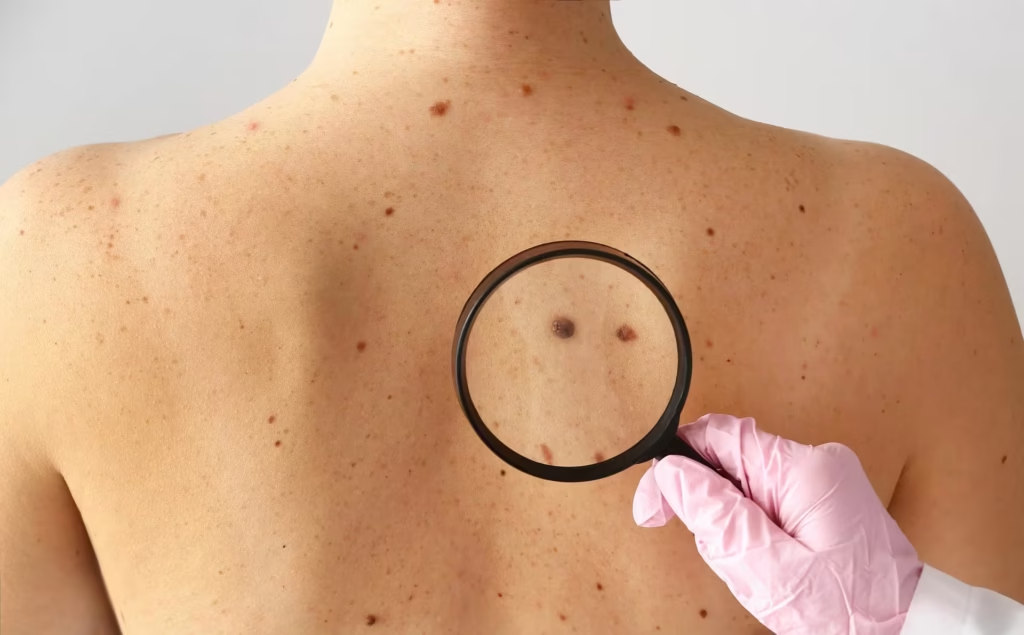
Skin cancer develops when abnormal cells form in the skin’s outermost layer, known as the epidermis. This protective barrier consists of three primary cell types, each serving distinct functions in maintaining skin health and appearance.
The epidermis contains squamous cells that form the skin’s inner lining just below the surface, basal cells that continuously produce new skin cells from beneath the squamous layer, and melanocytes located in the lower epidermis that create melanin—the pigment responsible for skin color and natural UV protection.
Read more: Eczema Treatment in Singapore
When these cells undergo malignant transformation due to various factors, particularly ultraviolet radiation exposure, they can develop into different types of skin cancer with varying degrees of aggressiveness and treatment complexity.
Read more: Scars, Pores, And Milia: A Doctor Answers Readers’ Skin Questions
Types of Skin Cancer: A Detailed Classification
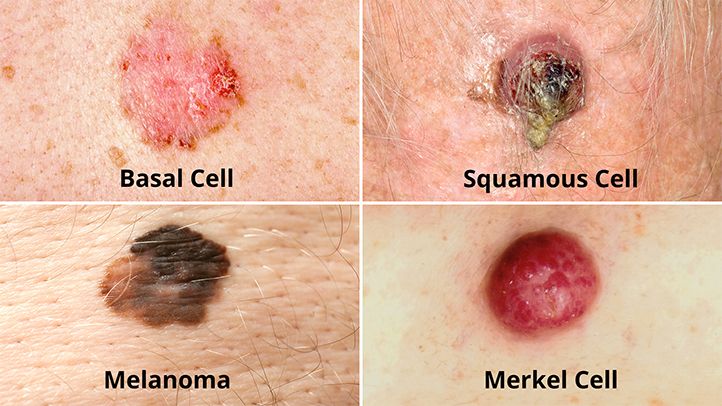
Melanoma Skin Cancer
Melanoma represents the most aggressive form of skin cancer, originating from melanocytes.
Despite being relatively uncommon in Singapore, with approximately 0.5 cases per 100,000 people annually, melanoma demands serious attention due to its potential for rapid spread and life-threatening complications.
This type of cancer can emerge anywhere on the body, either developing from previously normal skin or transforming from existing moles.
The aggressive nature of melanoma stems from its tendency to metastasize—spreading to lymph nodes and distant organs if not detected and treated promptly.
In Singapore’s population, the most frequently observed melanoma subtype is acral lentiginous melanoma, which typically appears on hands, feet, or even beneath fingernails and toenails.
This particular characteristic makes regular self-examination of often-overlooked body areas especially important.
Related article: Birthmark Removal in Singapore: Types, Treatments, Risks
Non-Melanoma Skin Cancer (NMSC)
Non-melanoma skin cancers encompass all skin cancer types excluding melanoma and develop more gradually in the skin’s upper layers.
These cancers are significantly more prevalent in Singapore, ranking as the sixth most common cancer among men and seventh among women.
Basal Cell Carcinoma (BCC) represents the most frequent skin cancer type, accounting for approximately 60% of all skin cancer cases.
This slow-growing cancer typically presents as a persistent ulcer with shiny or pearl-like raised edges. In Asian populations, BCC often appears pigmented, distinguishing it from presentations in Caucasian patients.
While BCC rarely spreads to other body parts, untreated cases can cause significant local tissue destruction, potentially affecting underlying muscles and bones.
Squamous Cell Carcinoma (SCC) appears as firm, irregular flesh-colored growths, usually on sun-exposed skin areas. These growths may enlarge over time, sometimes forming large masses that can ulcerate.
Unlike BCC, SCC carries a higher risk of spreading to surrounding lymph nodes, particularly when left untreated.
A pre-malignant condition called Bowen’s Disease often precedes SCC, presenting as scaly patches that resist standard skin treatments.
You might like: Everything You Need to Know About Tattoo Removal in Singapore
Rare Skin Cancer Types
- Merkel Cell Carcinoma (MCC) originates from neuroendocrine cells near nerve endings and, while rare, demonstrates aggressive behavior. It can appear as ulcers or sores anywhere on the body, with men being twice as likely to develop this condition. Age and immunosuppression increase MCC risk significantly.
- Cutaneous Lymphoma begins in lymphocytes—white blood cells forming part of the immune system. This category includes both Hodgkin and non-Hodgkin lymphomas, more commonly affecting men, elderly individuals, and those with compromised immune systems.
- Kaposi Sarcoma develops when cells lining lymph or blood vessels become infected with Kaposi sarcoma-associated herpesvirus (KSHV). However, not everyone infected with this virus develops the condition, with immunocompromised individuals facing higher risk.
Related article: Which Tattoo Removal Clinic in Singapore Should You Consider? (Sort by Reviews)
Signs and Symptoms: Recognizing Warning Signals
Early detection significantly improves skin cancer outcomes, making awareness of warning signs crucial for everyone living in Singapore’s sun-rich environment.
Melanoma Warning Signs
The ABCDE method provides a systematic approach to evaluating suspicious moles:
| Letter | Characteristic | Description |
|---|---|---|
| A | Asymmetry | One half differs significantly from the other |
| B | Border | Irregular, scalloped, or poorly defined edges |
| C | Color | Multiple colors or uneven color distribution |
| D | Diameter | Larger than 6mm (pencil eraser size) |
| E | Evolving | Changes in size, shape, color, or texture |
Additional melanoma symptoms include new mole appearance, bleeding from existing moles, painful or itchy lesions, and dark spots on palms, soles, fingertips, toes, or mucous membranes.
Non-Melanoma Cancer Symptoms
Basal cell carcinoma typically manifests as pearly or waxy bumps, flat flesh-colored or brown scar-like lesions, or bleeding sores that heal and recur.
The appearance can be deceptive, often resembling minor skin irritations initially.
Squamous cell carcinoma presents as firm red nodules or flat lesions with scaly, crusted surfaces.
These growths may develop on both sun-exposed and protected areas, making comprehensive skin examination essential.
Read more: Best Dermatologist in JB for Singaporeans
Pre-Cancerous Conditions
Actinic keratoses appear as dry, scaly, or crusty patches, typically on the head, neck, hands, and forearms.
While not cancerous themselves, these lesions can progress to squamous cell carcinoma if left untreated, making professional evaluation important.
Risk Factors and Causes: Understanding Your Vulnerability
Modifiable Risk Factors
Ultraviolet Radiation Exposure represents the primary controllable risk factor for skin cancer development.
Singapore’s equatorial location means intense UV radiation year-round, making daily sun protection essential rather than seasonal. Both natural sunlight and artificial tanning devices contribute to cumulative skin damage.
Occupational and Environmental Exposures include contact with certain chemicals like arsenic, tar, and pesticides.
Healthcare workers and others exposed to ionizing radiation also face elevated risks requiring additional protective measures.
Lifestyle Choices such as smoking can increase skin cancer risk, particularly for squamous cell carcinoma.
Additionally, certain medications can increase photosensitivity, making individuals more susceptible to UV damage.
Related article: Complete Guide to Keloid Scar Removal in Singapore
Non-Modifiable Risk Factors
Genetic Factors play a significant role in skin cancer susceptibility. Family history of skin cancer increases individual risk, while certain inherited conditions further elevate vulnerability.
Fair-skinned individuals face higher risk due to reduced natural melanin protection, though skin cancer can affect people of all ethnicities.
Age and Gender influence risk patterns, with skin cancer incidence generally increasing with age due to cumulative sun exposure.
Some cancer types show gender preferences—for example, men are twice as likely to develop Merkel cell carcinoma.
Mole Characteristics significantly impact melanoma risk. Individuals with more than 100 moles face five times the normal risk, while those with irregular or large moles require enhanced monitoring.
Read more: The Definitive Guide to Mole Removal in Singapore
Prevention Strategies: Your Defense Against Skin Cancer
Sun Protection Fundamentals
Effective sun protection forms the cornerstone of skin cancer prevention in Singapore’s tropical environment.
Avoiding direct sun exposure during peak hours—typically 10 AM to 4 PM—reduces exposure to the most intense UV radiation.
Daily sunscreen application provides essential protection regardless of weather conditions or indoor activities.
Broad-spectrum sunscreens with SPF 30 or higher should be applied generously 15 minutes before sun exposure and reapplied every two hours, or more frequently when swimming or sweating.
Protective Clothing and Accessories
Physical barriers offer superior protection compared to sunscreen alone. Dark, tightly woven fabrics covering arms and legs provide excellent UV blocking, while broad-brimmed hats offer more comprehensive facial protection than baseball caps or visors.
Quality sunglasses blocking both UVA and UVB radiation protect the delicate eye area and surrounding skin.
When selecting protective clothing, consider garments specifically designed with UV protection factors for optimal defense.
Related article: Guide to Wart Removal in Singapore
Environmental Awareness
Understanding your surroundings helps optimize protection strategies. Reflective surfaces like water, sand, and concrete can increase UV exposure through reflection.
High-altitude locations and tropical climates intensify UV radiation, requiring enhanced protective measures.
Indoor environments aren’t automatically safe—UV radiation can penetrate windows, making sunscreen application important even when staying indoors during peak sun hours.
This might help: Vein Removal Treatment
Regular Self-Examination
Monthly skin self-examinations enable early detection of suspicious changes. Use mirrors to examine hard-to-see areas and maintain photographic records of existing moles to track changes over time.
Focus attention on commonly affected areas including the face, neck, chest, arms, hands, and legs, but don’t neglect less obvious locations like the scalp, between toes, under fingernails, and genital areas where skin cancers can also develop.
Diagnosis Methods: Professional Evaluation and Testing
Initial Clinical Assessment
Professional skin cancer evaluation begins with comprehensive medical history review, including family cancer history, previous skin cancer diagnoses, and current medications.
Healthcare providers examine the entire skin surface, often using dermatoscopes—specialized magnifying instruments that provide detailed visualization of skin structures.
Biopsy Procedures
When suspicious lesions are identified, tissue sampling through biopsy provides definitive diagnosis. Several biopsy techniques serve different purposes:
- Punch Biopsy removes a small, round tissue sample using a circular cutting tool, suitable for most diagnostic purposes while minimizing scarring.
- Excisional Biopsy removes the entire suspicious lesion along with a margin of normal tissue, often serving both diagnostic and therapeutic purposes.
- Shave Biopsy removes the lesion’s surface layers, typically used for raised growths where deeper tissue examination isn’t necessary.
Advanced Diagnostic Testing
For confirmed cancers, additional testing may determine disease extent and treatment planning requirements.
Blood tests can assess overall health status and specific markers like lactate dehydrogenase (LDH) levels, which may indicate advanced melanoma.
Imaging studies including CT scans help evaluate lymph node involvement and potential metastatic spread.
Lymph node biopsy may be recommended when there’s suspicion of cancer spread to regional lymph nodes.
Treatment Options: Comprehensive Cancer Care
Surgical Treatments
Surgery remains the primary treatment for most skin cancers, with specific techniques chosen based on cancer type, size, location, and patient factors.
Wide Local Excision removes the cancerous tissue along with a margin of healthy surrounding tissue.
This approach ensures complete cancer removal while minimizing recurrence risk. The size of the healthy tissue margin depends on cancer type and aggressiveness.
Mohs Micrographic Surgery offers the highest cure rates for complex cases, including large tumors, recurrent cancers, or those in cosmetically sensitive areas.
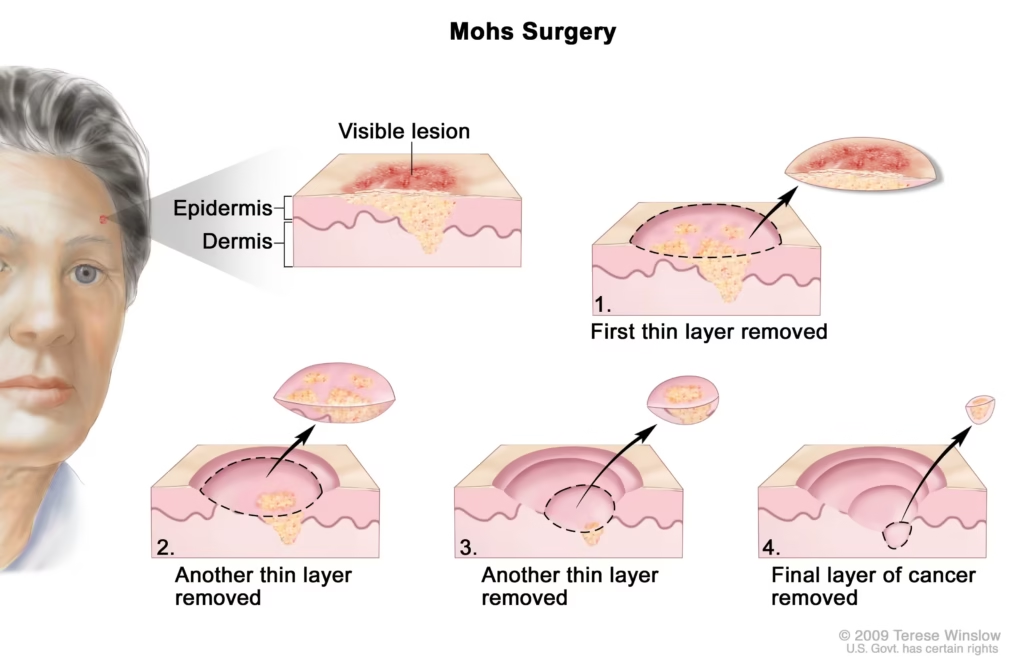
This precise technique removes cancer layer by layer, with immediate microscopic examination of each layer until no cancer cells remain.
Reconstructive Surgery may follow cancer removal, particularly for large defects in visible areas. Plastic surgeons work collaboratively with oncologists to restore both function and appearance following cancer treatment.
Non-Surgical Treatments
- Cryotherapy uses liquid nitrogen to freeze and destroy pre-cancerous lesions and small early-stage cancers. This office-based procedure causes treated tissue to form a scab that naturally falls off as healthy tissue regenerates.
Read more: Cryotherapy Treatment Singapore: Is It Good For Me?
- Curettage and Electrodesiccation combines scraping away cancer cells with electrical destruction of remaining abnormal tissue. This quick procedure effectively treats certain basal and squamous cell carcinomas.
- Radiation Therapy uses high-energy beams to destroy cancer cells, particularly useful when complete surgical removal isn’t possible or as adjuvant treatment following surgery.
- Topical Chemotherapy applies anti-cancer medications directly to affected skin areas, treating cancers limited to the skin’s surface layers.
- Photodynamic Therapy combines light-sensitive drugs with specific wavelength laser light to selectively destroy cancer cells while preserving healthy tissue.
Advanced Treatment Options
For advanced or metastatic skin cancers, systemic treatments may be necessary. Modern immunotherapy drugs help the body’s immune system recognize and attack cancer cells more effectively.
Targeted therapy drugs focus on specific molecular pathways involved in cancer growth and spread.
Combination approaches often provide optimal outcomes, with treatment plans developed through multidisciplinary team consultation including dermatologists, oncologists, plastic surgeons, and other specialists as needed.
Read more: Which Plastic Surgeon in Singapore Should You Consider?
Skin Cancer in Singapore: Local Context and Statistics
Singapore’s tropical location and multicultural population create unique skin cancer patterns requiring specific awareness and prevention strategies.
Epidemiological Patterns
Non-melanoma skin cancer ranks significantly higher in Singapore cancer statistics than melanoma, reflecting both the protective effects of darker skin pigmentation in much of the population and the impact of chronic sun exposure on susceptible individuals.
The relatively low melanoma incidence—0.5 cases per 100,000 people annually—contrasts sharply with countries like Australia, where one in 14 men and one in 24 women will develop melanoma during their lifetime.
However, this shouldn’t diminish vigilance, as melanoma’s aggressive nature makes early detection crucial regardless of incidence rates.
Population-Specific Considerations
Fair-skinned expatriates and tourists may face increased risk due to intense tropical UV radiation levels unfamiliar to those from temperate climates.
Sudden intense exposure can cause significant DNA damage in skin unaccustomed to such radiation levels.
Local populations with darker skin types possess greater natural UV protection but aren’t immune to skin cancer development.
Acral lentiginous melanoma, affecting hands, feet, and nail areas, occurs across all ethnic groups and requires particular attention in Singapore’s diverse population.
Healthcare Infrastructure
Singapore’s healthcare system provides comprehensive skin cancer care through specialized centers equipped with advanced diagnostic and treatment capabilities.
Multidisciplinary teams ensure patients receive coordinated care from diagnosis through treatment and follow-up monitoring.
Regular surveillance programs serve high-risk populations, including organ transplant recipients, individuals with strong family histories, and those with previous skin cancer diagnoses.
When to Seek Medical Attention
Certain situations warrant immediate professional evaluation rather than continued self-monitoring.
Any new growth that appears after age 30 requires assessment, as does any existing mole showing changes in size, shape, color, or texture.
Specific warning signs demanding prompt medical attention include bleeding from skin lesions, sores that don’t heal within several weeks, new growths with irregular borders or multiple colors, and any skin abnormality causing persistent pain, itching, or tenderness.
Individuals with high-risk factors—including family history of skin cancer, fair skin, numerous moles, or previous skin cancer—should establish regular dermatological screening schedules rather than relying solely on self-examination.
Post-Treatment Care and Follow-Up
Following skin cancer treatment, regular monitoring helps detect potential recurrences and new skin cancer development.
Follow-up schedules depend on cancer type, stage, and individual risk factors, typically involving more frequent visits initially with gradually extended intervals.
Ongoing sun protection becomes even more critical after skin cancer diagnosis, as individuals with previous skin cancer face significantly elevated risk for developing additional cancers.
This includes continued sunscreen use, protective clothing, and environmental awareness.
Frequently Asked Questions
Can common moles transform into melanoma?
While it’s uncommon for ordinary moles to become melanoma, people with numerous moles face higher melanoma risk overall.
Most melanomas develop from previously normal skin rather than existing moles. However, any mole showing changes in color, size, shape, texture, or beginning to bleed warrants immediate medical evaluation.
Is skin cancer contagious between people?
Skin cancer is not contagious and cannot spread from person to person through any form of contact.
Cancer cells from one individual cannot survive in another person’s body because the immune system recognizes and destroys foreign cells, including cancer cells from other people.
Do sunbeds provide safer tanning than natural sunlight?
Artificial tanning devices, including sunbeds, are established risk factors for skin cancer development.
These devices emit concentrated UV radiation that can be more intense than natural sunlight, making them a controllable lifestyle risk factor that should be avoided regardless of medical history or skin type.
Can skin cancer develop in areas rarely exposed to sun?
Yes, skin cancer can occur in areas that receive minimal sun exposure, including palms, soles of feet, fingernails, toenails, and genital areas.
While sun-exposed areas face higher risk, comprehensive skin examination should include all body areas during self-checks and professional evaluations.
How effective is sunscreen in preventing skin cancer?
Broad-spectrum sunscreen with SPF 30 or higher provides significant protection when used correctly—applied generously 15-30 minutes before sun exposure and reapplied every two hours.
However, sunscreen works best as part of comprehensive sun protection including protective clothing, shade-seeking, and avoiding peak UV hours.
What should I do if I notice changes in my skin?
Any concerning skin changes should prompt professional evaluation rather than continued self-monitoring.
This includes new growths appearing after age 30, existing moles showing changes in size, shape, color, or texture, sores that don’t heal within several weeks, and any skin abnormality causing persistent symptoms.
Are people with darker skin immune to skin cancer?
While darker skin provides more natural UV protection due to higher melanin content, people of all ethnicities can develop skin cancer.
Certain types, like acral lentiginous melanoma affecting hands and feet, occur across all ethnic groups. Everyone should practice sun protection and regular skin examination regardless of skin color.
How often should I examine my skin for changes?
Monthly self-examination is recommended for most adults, with more frequent monitoring for high-risk individuals.
Use mirrors to examine hard-to-see areas and consider taking photographs of existing moles to track changes over time. Professional dermatological screening frequency should be discussed with healthcare providers based on individual risk factors.
What happens if skin cancer spreads to lymph nodes?
Lymph node involvement typically indicates more advanced cancer requiring comprehensive treatment approaches.
This may include surgical removal of affected lymph nodes, additional imaging studies to assess disease extent, and systemic treatments like immunotherapy or targeted therapy depending on cancer type and patient factors.
Can skin cancer be prevented completely?
While skin cancer cannot be prevented with absolute certainty, risk can be dramatically reduced through consistent sun protection practices, avoiding artificial tanning, regular skin self-examination, and professional screening for high-risk individuals.
Early detection through these measures leads to highly successful treatment outcomes for most skin cancer types.
Explore everyday essentials and compare current offers on Shopee.
Browse Shopee