
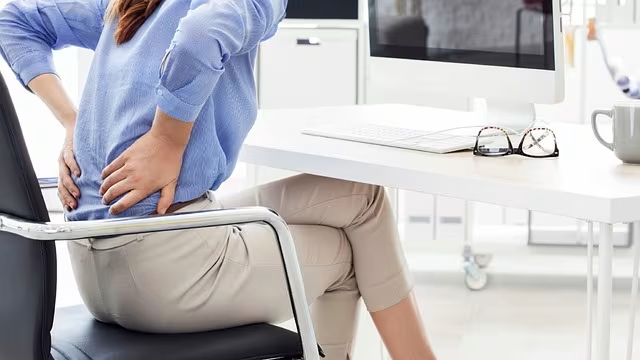
In the bustling city of Singapore, many individuals suffer from chronic pain due to sedentary lifestyles, work stress, and poor posture.
General shopping ideas, independent of this article’s advice.
Swipe to compare products → TCM Hair Tonic《保健堂》古方护发水 (100ml)S$103.00✨Medicated Pain Relief Plaster✨ Original TCM FormulaS$3.70Zappy Postpartum Body Wipes 20 Sheets Resealable (Ginger infused with TCM Extract)From S$26.80
Prices may vary by option. Check the final price and delivery on Shopee.
Traditional Chinese Medicine (TCM) offers an effective, natural, and non-invasive approach to pain management that addresses not just the symptoms but the root causes as well.
This comprehensive guide explores how TCM principles and treatments can help Singaporeans achieve pain relief and improve their overall quality of life.
Related article: Best TCM Clinic in Singapore (Sort by Reviews)
Understanding Pain from a TCM Perspective
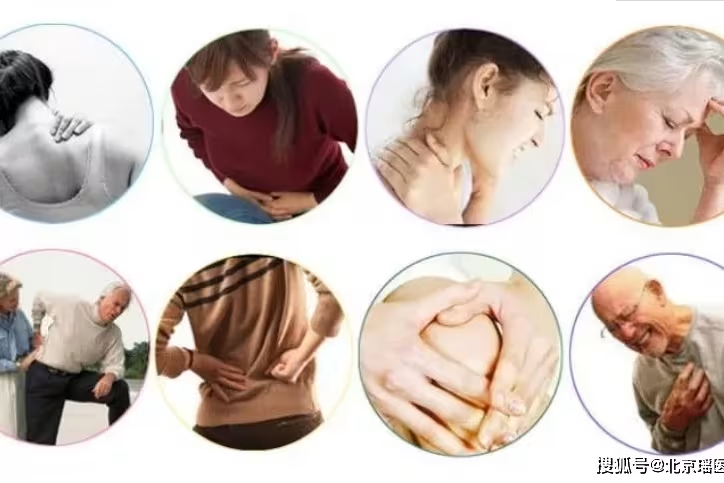
According to Traditional Chinese Medicine principles, pain primarily results from the obstruction of Qi (vital energy) and Blood circulation in the body.
This fundamental concept is captured in the traditional TCM saying: “不通则痛, 痛则不通” which translates to “where there is blockage, there is pain.”
When meridian pathways become obstructed, the smooth flow of Qi and Blood is compromised, leading to insufficient nourishment in affected areas and resulting in various sensations including:
pain, tingling, stiffness, numbness, and bloating.
These blockages can arise from several factors:
- External pathogenic influences – Including wind, cold, dampness, and dryness that interfere with Qi circulation
- Traumatic injuries – Physical injuries that disrupt normal energy flow
- Emotional stress – Internal imbalances that affect the smooth circulation of Qi
- Underlying deficiency conditions – Weakened body systems that cannot maintain proper energy flow
TCM practitioners carefully distinguish between diagnostic patterns such as deficiency (Xu) and excess (Shi) to determine whether the body has stagnation or obstruction of vital substances, or if there is a deficiency of these substances.
This diagnostic approach allows for personalized treatment plans that address the specific root causes of pain for each individual.
Related article: Best TCM Clinic in JB for Singaporeans
Common Pain Conditions Treated with TCM
TCM pain management can effectively address numerous pain-related conditions affecting Singaporeans. Some of the most common include:
Neck Pain
Many office workers in Singapore suffer from neck pain due to prolonged desk work and poor posture.
When daily stress accumulates in the neck area, muscular tension leads to pain and discomfort.
TCM approaches this condition by improving circulation and relaxing the affected muscles.
Back Pain
Back pain affects up to 80% of people worldwide, with the lower back being the most common site of discomfort. This condition can become debilitating and chronic if left untreated.
Back pain may present with radiating leg pain or numbness, which TCM treatments address by increasing Qi and Blood circulation to facilitate healing.
Related article: Gua Sha in Singapore: Benefits, Techniques & Considerations
Arthritis
Arthritis encompasses various joint diseases characterized by pain, swelling, stiffness, and reduced range of motion.
Different forms include osteoarthritis, rheumatoid arthritis, and gout.
TCM approaches arthritis by improving joint flexibility, reducing inflammation, and enhancing overall joint health.
Frozen Shoulder
This condition involves stiffness and pain in the shoulder joint, significantly restricting movement.
TCM therapy focuses on improving mobility and reducing inflammation through various treatments that target both the symptoms and underlying causes.
Sports Injuries
Athletes and active individuals often experience acute pain from sports-related injuries.
TCM offers prompt pain management that promotes healing and helps prevent chronic issues from developing. Treatments can address specific injuries such as:
- Runner’s knee
- Tennis elbow
- Sprained ankles
- Pulled hamstrings
- Torn ligaments
- Muscle strains
Other Pain Conditions
TCM can also effectively manage headaches and migraines, sciatica, fibromyalgia, postoperative pain, cancer-related pain, joint pain, knee pain, and scoliosis.
You might like: Bone Setting in Singapore: Benefits and Treatment Method
TCM Treatment Methods for Pain Management
Traditional Chinese Medicine employs various therapeutic approaches to address pain by restoring balance and promoting the body’s natural healing abilities.
Here are the primary TCM treatments used for pain management in Singapore:
Herbal Medicine
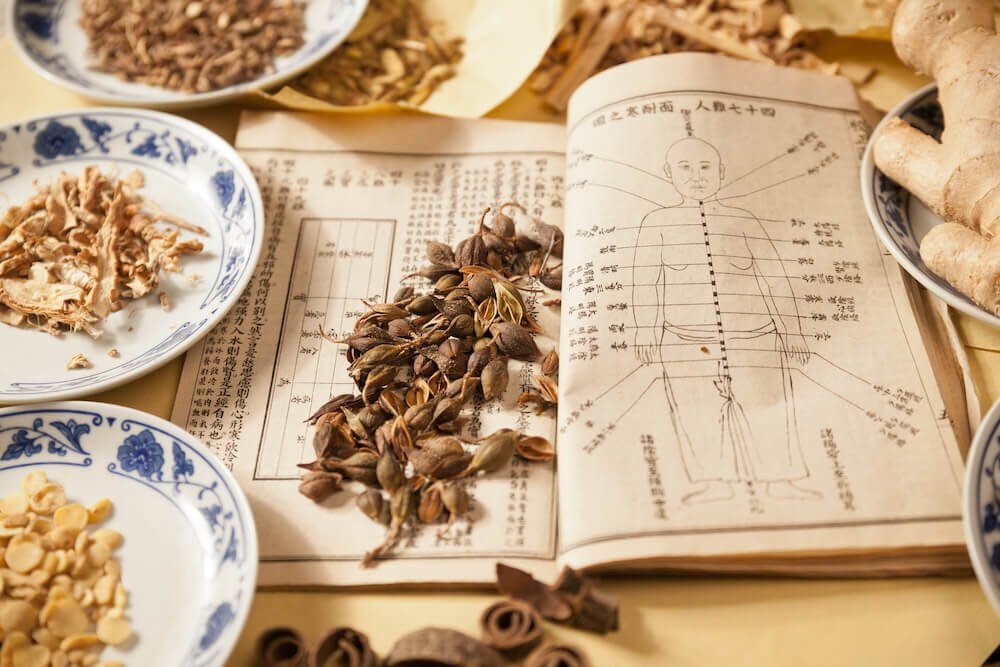
TCM herbal medicine involves natural herbs carefully formulated to restore balance within the body and alleviate pain.
These personalized herbal combinations are tailored to each individual’s specific condition and constitution.
How it works: Reduces inflammation, improves circulation, enhances the body’s natural healing processes, and addresses underlying deficiencies or excesses.
Herbal formulations may include ingredients such as ginseng, ginger, and licorice, each chosen for their specific healing properties.
This approach is particularly effective for chronic pain conditions and works well alongside other TCM treatments.
Tuina
Tuina is a therapeutic massage technique that involves various manual methods including kneading, rolling, and pressing to stimulate acupuncture points and meridians.
Benefits: Relieves muscle tension, improves circulation, addresses specific pain points, and promotes the smooth flow of Qi and Blood.
This treatment is especially beneficial for musculoskeletal issues such as back, neck, and shoulder pain, as well as sports injuries.
Tuina can also help with internal conditions by enhancing energy flow throughout the body.
Read more: Tuina Massage in Singapore: Benefits and Methods
Cupping Therapy
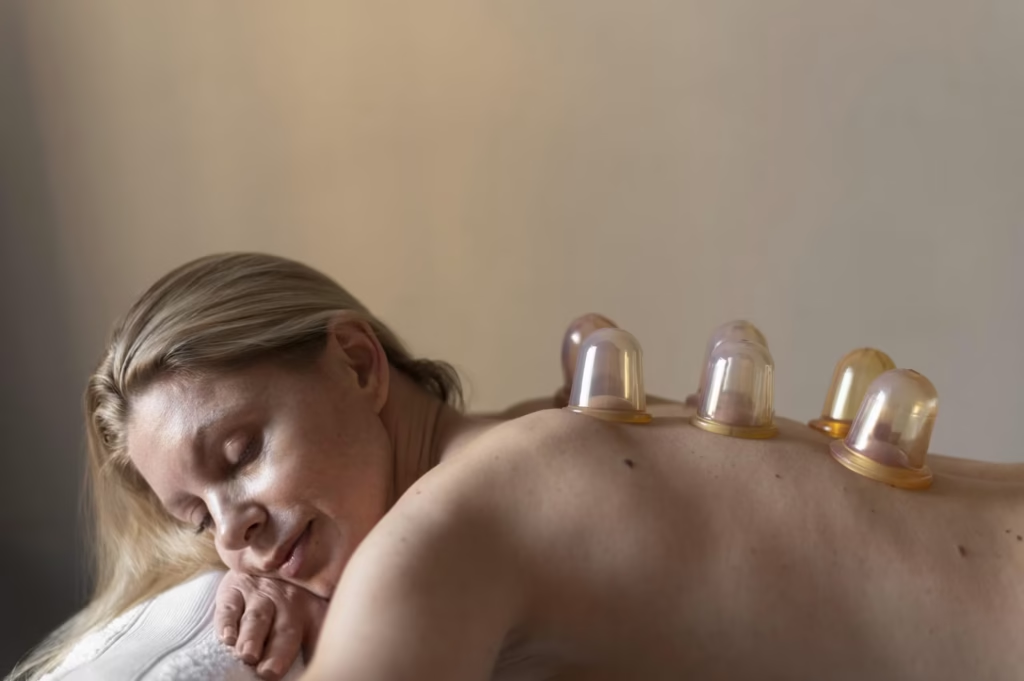
Cupping involves placing cups on the skin to create suction, which increases blood flow to the area and promotes healing.
How it works: Increases blood flow, reduces muscle tension, promotes detoxification, breaks down scar tissue, relieves inflammation, and enhances tissue healing.
The suction created by cupping helps to draw out toxins and improve circulation. It’s often used in combination with other TCM methods to enhance their effectiveness for managing conditions like muscle pain, stiffness, and inflammation.
Read more: Cupping Therapy in Singapore: Types, Benefits
Acupuncture
Acupuncture is perhaps the most recognized TCM practice, involving the insertion of thin needles into specific points on the body to balance Qi flow.
Mechanisms of action: Enhances endogenous opiates (natural painkillers), stimulates the body’s self-healing mechanisms, improves blood flow, reduces inflammation, and releases endorphins that reduce pain perception.
For example, in treating headaches, acupuncture points such as Bai Hui (top of the head), Shuai Gu (above the ear), and He Gu (on the hand) work together to invigorate Qi in the head region, effectively relieving pain.
A specialized form called “NO-PAIN acupuncture™” is also available in some Singapore clinics, offering a gentler approach for those sensitive to needle insertion.
Read more: Acupuncture in Singapore: Types, Benefits
Guasha
Guasha is a technique that involves scraping the skin with a smooth-edged instrument to improve circulation and relieve pain.
Benefits: Breaks down scar tissue, reduces inflammation, promotes healing, enhances immune system function, and improves overall vitality.
This method is particularly effective for treating chronic pain, muscle tension, and conditions such as frozen shoulder.
The scraping motion works on the myofascial layer surrounding muscles to release blockages and improve energy flow.
Moxibustion
Moxibustion involves burning dried mugwort near acupuncture points to stimulate healing.
How it works: Warms the meridians, dispels cold and dampness, enhances blood circulation, and facilitates the smooth flow of Qi.
This treatment is especially helpful for relieving menstrual cramps, joint pain, neuropathy, and conditions aggravated by cold.
Comprehensive TCM Pain Management Programs in Singapore
Many TCM clinics in Singapore offer integrated pain management programs that combine multiple treatment modalities for enhanced effectiveness. These comprehensive programs typically include:
- Initial assessment and diagnosis
- Personalized treatment plan
- Combination of appropriate therapies
- Follow-up care and adjustments
A typical TCM Pain Management Program may include osteopathy, guasha, tuina, acupuncture, cupping, moxibustion, and herbal medication.
This integrated approach allows practitioners to address pain from multiple angles, providing more effective and lasting relief than single-method treatments.
Medical Contra-Indications: When to Avoid TCM Treatments
While TCM pain management is generally safe, certain medical conditions may require caution or avoidance of specific treatments. Always consult with qualified practitioners and seek medical advice if you have hypertension, hyperthyroidism, blood thinning medication, anti-seizure medication, cancer, blood clots, or liver or kidney disease.
Responsible TCM practitioners will always conduct thorough assessments before recommending treatments and will work alongside conventional medical care when appropriate.
Scientific Understanding of TCM Pain Relief
Modern research has provided insights into how TCM methods effectively manage pain:
- Endorphin Modulation: Acupuncture has been shown to modulate endorphin levels, providing natural pain relief.
- Improved Circulation: Many TCM techniques enhance blood flow to affected areas, facilitating healing and reducing inflammation.
- Myofascial Release: Techniques like Tuina and Guasha help inactivate trigger points and release tension in the myofascial tissue.
- Neurological Effects: Acupuncture affects the awareness of pain through neurological pathways.
The National Institute of Health (NIH) has recognized acupuncture’s potential benefits for chronic pain management, particularly for back and neck pain, osteoarthritis/knee pain, and headaches, including migraine prevention.
Benefits of TCM Pain Management
Choosing TCM for pain management in Singapore offers numerous advantages: it provides a holistic approach that treats the root cause, not just symptoms; it’s natural and non-invasive with minimal side effects; it can work as a complement to conventional medicine; treatments are personalized to individual conditions; it improves sleep quality as pain reduces; and it enhances overall quality of life beyond just pain relief.
Choosing a TCM Pain Management Clinic in Singapore
When selecting a TCM clinic for pain management in Singapore, consider practitioner qualifications (ensure they are properly trained and accredited), clinic reputation (research reviews and testimonials), treatment approach (look for comprehensive programs rather than single-method treatments), facilities (clean, professional environments with proper equipment), and consultation process (initial assessments should be thorough and personalized).
FAQ on TCM Pain Management
What causes pain according to TCM?
According to Traditional Chinese Medicine, pain primarily results from obstructed Qi (energy) and Blood flow.
This obstruction can be caused by external factors like cold or trauma, as well as internal imbalances due to emotional stress or deficiency conditions.
The TCM principle states “where there is blockage, there is pain,” highlighting that proper energy circulation is essential for pain-free living.
How does acupuncture work for pain relief?
Acupuncture works through several mechanisms to relieve pain. The insertion of fine needles at specific acupuncture points stimulates the body’s meridian system, improving energy flow.
This process triggers the release of endorphins—natural painkillers produced by the body—while also increasing blood circulation to affected areas.
Acupuncture also modulates the nervous system’s pain signals and reduces inflammation, providing both immediate relief and long-term healing benefits.
Is Traditional Chinese Medicine suitable for chronic pain?
Yes, TCM has been shown to be particularly effective for chronic pain management.
According to the National Institute of Health (NIH), acupuncture can be beneficial for addressing chronic conditions like back pain, neck pain, osteoarthritis, and persistent headaches.
TCM’s holistic approach is especially valuable for long-term pain conditions because it works to identify and treat the underlying causes rather than simply masking symptoms.
Many patients find relief through TCM when conventional pain management approaches have been insufficient.
What types of pain respond best to TCM treatments?
While TCM can address many types of pain, it shows particularly good results for:
- Musculoskeletal pain (back, neck, shoulder)
- Joint pain and arthritis
- Headaches and migraines
- Fibromyalgia
- Neuropathic pain
- Sports injuries
- Menstrual pain
- Postoperative pain
Conditions with a strong “blockage” component (stagnation of Qi or Blood) often respond quickly to TCM interventions, while conditions with underlying deficiencies may require longer treatment courses but still show significant improvement.
Can TCM treatments be combined with Western medicine for pain management?
Absolutely. TCM can work excellently as a complementary approach alongside conventional Western medical treatments.
Many patients receive the best outcomes when combining both approaches—using Western medicine for diagnosis and acute interventions while employing TCM for ongoing pain management and addressing root causes.
Always inform both your conventional doctor and TCM practitioner about all treatments you’re receiving to ensure they can coordinate effectively and avoid any potential interactions.
How many TCM treatment sessions are needed to see results for pain?
The number of sessions required varies depending on the condition, its severity, and individual factors. For acute pain conditions, some patients experience significant relief after just 1-3 sessions.
Chronic conditions typically require longer treatment courses, often 6-12 sessions initially, with maintenance sessions afterward.
Your TCM practitioner will develop a personalized treatment plan and adjust it based on your progress.
Consistent attendance at recommended sessions generally produces better and more lasting results.
Are there any side effects from TCM pain management treatments?
TCM pain management is generally considered safe when performed by qualified practitioners, with minimal side effects compared to pharmaceutical pain management.
Some potential minor and temporary effects include:
- Slight bruising from cupping or Guasha
- Minor soreness after acupuncture
- Digestive adjustments with herbal formulas
Serious side effects are rare when treatments are performed correctly. However, it’s essential to visit licensed
TCM practitioners who follow proper sterilization procedures and thoroughly assess your medical history before treatment.
Does TCM help with arthritis pain?
Yes, TCM has shown considerable effectiveness in managing arthritis pain.
Osteoarthritis and rheumatoid arthritis can both be addressed through a combination of acupuncture, herbal medicine, and other TCM techniques.
These treatments work by reducing inflammation, improving joint flexibility, enhancing blood circulation to affected areas, and strengthening the body’s natural healing mechanisms.
Many scientific studies have demonstrated that acupuncture, in particular, can provide substantial relief for arthritis pain and improve range of motion.
Can acupuncture treat sports injuries effectively?
Acupuncture and other TCM treatments can be very effective for sports injuries, serving as helpful, non-invasive options for recovery.
Whether dealing with a sprained ankle, runner’s knee, tennis elbow, or muscle strains, acupuncture promotes circulation to the injured area, reduces inflammation, and accelerates healing.
For athletes, the benefits extend beyond pain relief—TCM can also help prevent future injuries by addressing underlying imbalances, improving flexibility, and enhancing overall physical performance.
How does TCM view the connection between emotional health and physical pain?
TCM recognizes a profound connection between emotional well-being and physical pain.
In TCM theory, emotions are linked to specific organ systems—for example, anger affects the Liver, worry impacts the Spleen, and fear influences the Kidneys.
When emotional stress becomes chronic, it can disrupt the flow of Qi, creating blockages that manifest as physical pain.
This is why TCM practitioners often inquire about emotional health during assessments and why treatments sometimes relieve both emotional distress and physical pain simultaneously.
This mind-body perspective represents one of the most holistic aspects of the TCM approach to pain management.
Conclusion
Traditional Chinese Medicine offers Singaporeans a valuable alternative or complement to conventional pain management approaches.
By addressing the root causes of pain through balancing Qi and Blood flow, TCM provides not just symptomatic relief but comprehensive healing.
Whether you’re dealing with chronic back pain, recurring headaches, sports injuries, or arthritis, TCM’s holistic approach can help restore comfort and improve your quality of life naturally.
Remember that pain is a warning signal from your body that deserves attention.
The sooner you address pain conditions through appropriate treatments, the better your chances of preventing them from becoming severe chronic issues later in life.
Consider consulting with a qualified TCM practitioner to explore how these time-tested methods might benefit your specific pain management needs.
General shopping ideas, independent of this article’s advice.
Swipe to compare products →Kidney Supplement | Thong Chai TCM |Bu Shen Yi Jing | Vital Energy & Essence Tonic– Replenish Qi, Yin-Yang Balance 补肾益精From S$58.00TCM Qi-Booster Tonic Soup《保健堂》补气养生汤S$48.00Upgraded Steam Spa Eye Mask TCM Formula | Heat pack | Heat Pad | Warmer | Sleep Mask | Eye PackS$0.35Prices may vary by option. Check the final price and delivery on Shopee.